Gods, monsters, and worlds of the North, sourced from the Eddas and modern scholarship. Season 1 of Realms of the Ascended is built on this pantheon; the articles note where.
64 entries in 10 chapters
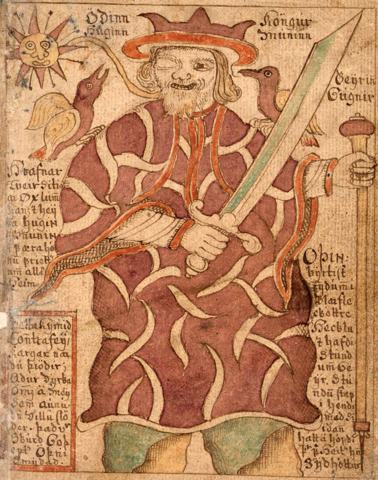
The Allfather. God of war, poetry and the dead who traded an eye for wisdom and hanged himself on the world tree to win the runes.
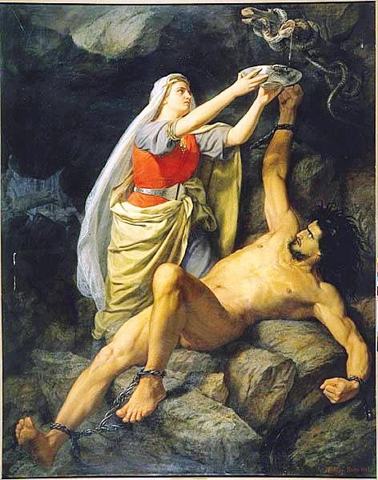
The Trickster. Shape-shifter of giant blood counted among the gods — their cleverest ally, the father of monsters, and the spark of Ragnarok.
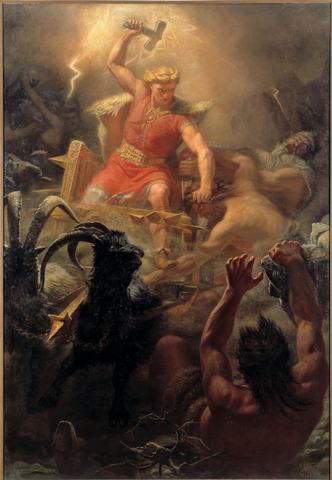
God of Thunder. Son of Odin and the earth, wielder of Mjolnir, and the gods' front line against the giants — fated to fall with the World Serpent.
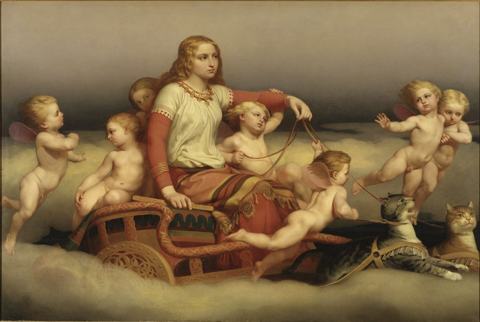
Lady of the Vanir. Goddess of love, war, gold and seidr magic — often spelled Freya — who claims half of the battle-slain for her own hall.
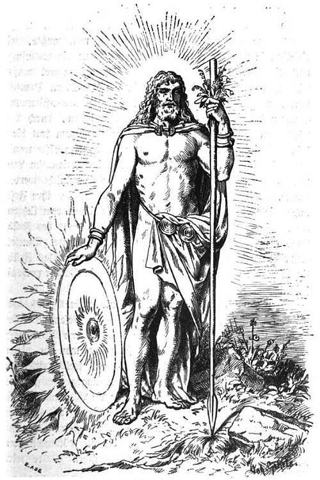
God of Light. The most beloved of the Aesir, made immune to all harm but one plant — and killed by it, which set the world's ending in motion.
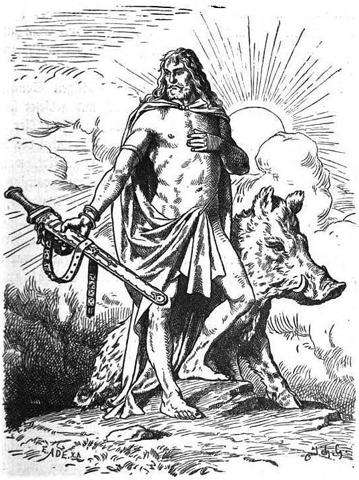
Vanir god of harvest, peace and kingship. Owner of the golden boar Gullinbursti, he traded away his sword for love and pays for it at Ragnarok.
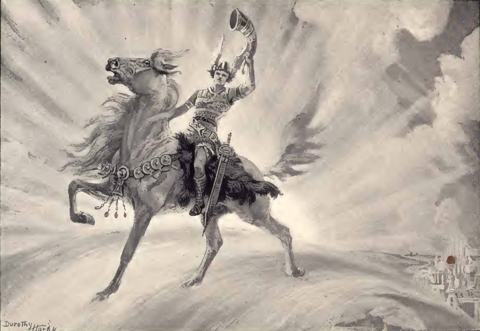
Watchman of the Gods. Born of nine mothers, he guards the rainbow bridge, hears wool grow on sheep, and will sound the horn that begins the end.
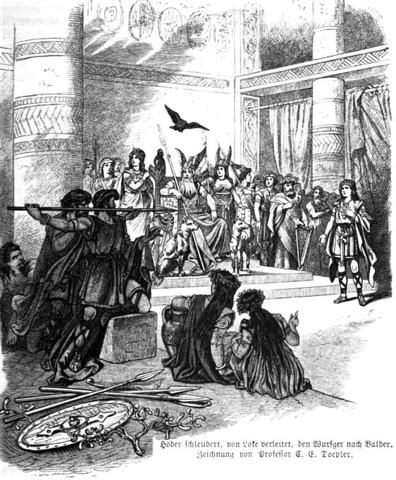
The blind god who threw the dart that killed Baldr, guided by Loki's hand — Norse myth's clearest case of a killer who may not be the guilty party.
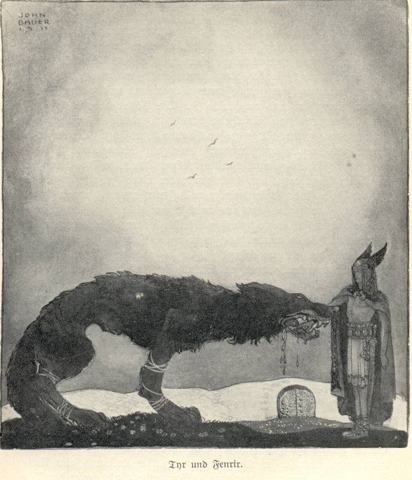
God of Sacred Law. Once perhaps the sky-father of the north, remembered chiefly for putting his sword hand into a wolf's mouth and losing it.
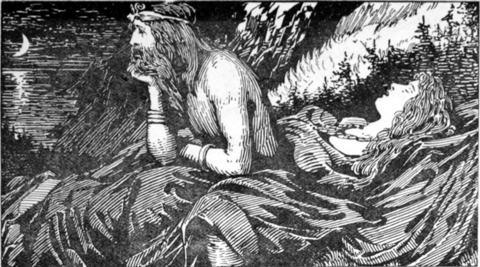
Vanir god of harbours, wind and wealth. Sent to the Aesir as a hostage; father of Freyr and Freyja; husband of a mountain giantess, briefly.
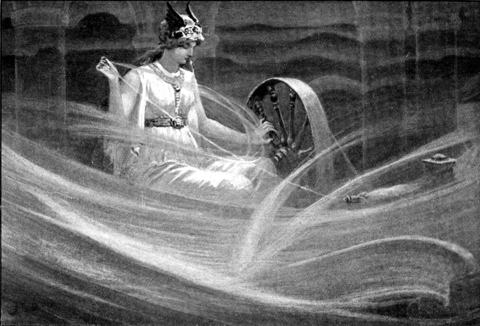
Odin's wife and the highest-ranking goddess of the Aesir — keeper of foreknowledge she will not speak, and the mother whose oaths could not save Baldr.
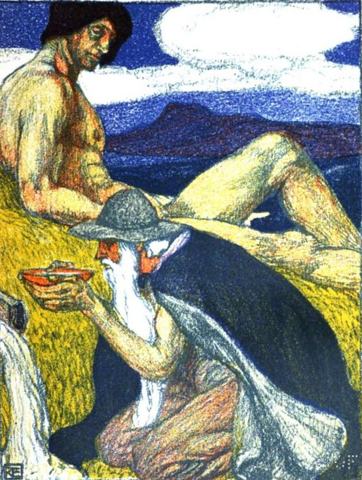
The being who keeps the well of wisdom beneath Yggdrasil — beheaded in a botched peace treaty, and consulted by Odin as a severed head ever after.
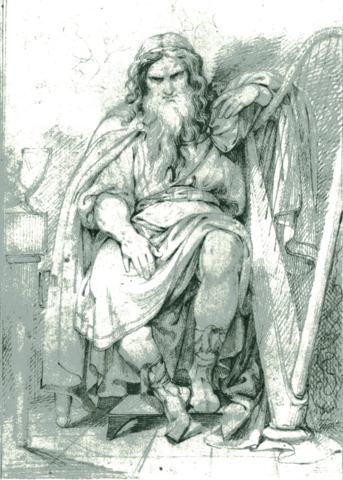
Norse god of poetry and eloquence, husband of Idunn, who greets fallen kings at Valhalla's door and may have begun as a real ninth-century skald.
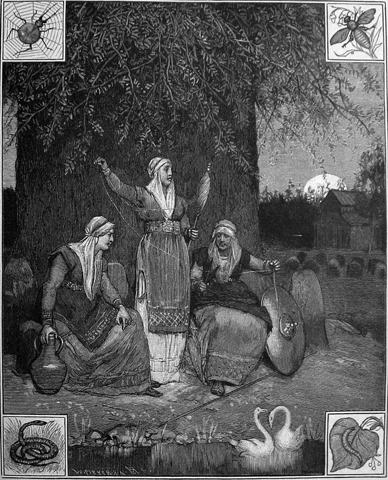
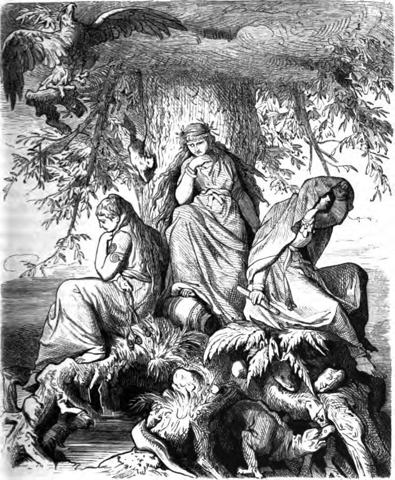
Urd, Verdandi and Skuld, the three women who tend Yggdrasil's well and lay down the fates of gods and men — plus the lesser norns who visit every birth.
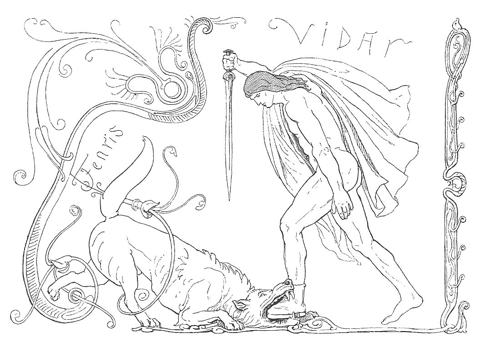
Odin's silent, giant-born son, second in strength only to Thor — kept in reserve since before the world began to avenge his father on the wolf Fenrir.
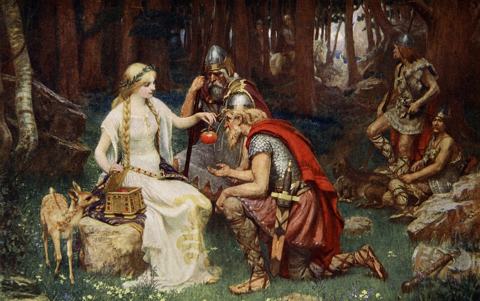
Norse goddess who guards the apples that keep the gods young. Her abduction by the giant Thjazi ages the whole pantheon and forces Loki to fetch her back.
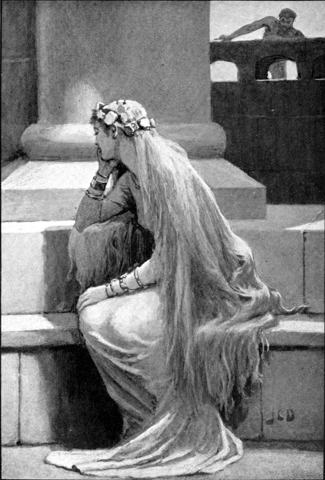
Thor's golden-haired wife, whose shorn hair forced Loki to commission the dwarf-made treasures of the gods, Mjolnir among them.
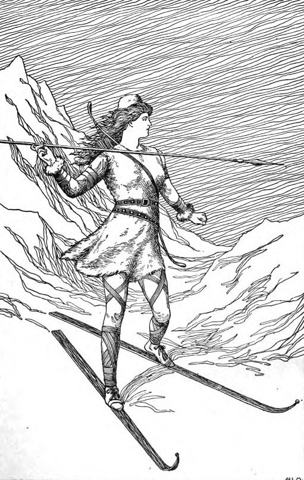
Giantess turned goddess of winter and the hunt. She came armed to Asgard for her father's blood-price and chose a husband by his feet alone.
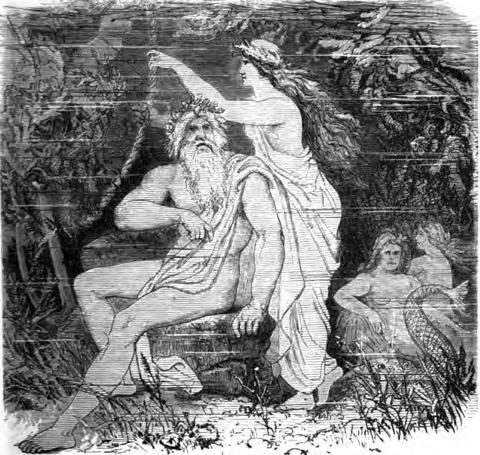
Aegir brews ale for the gods in a hall lit by gold; Ran drags the drowned down in her net. Together they are the Norse sea, hospitable and lethal.
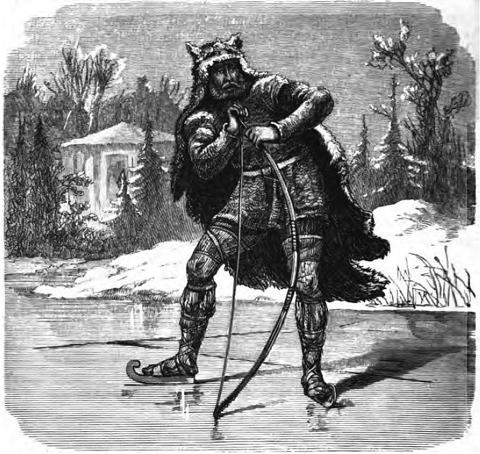
The Norse god of the bow, the ski and the shield. Almost no myth about him survives, yet place-names suggest he was once worshipped everywhere.
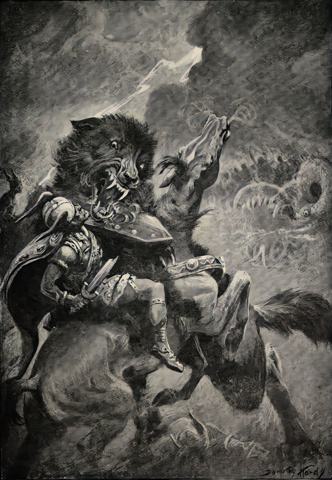
The Bound Wolf. Loki's son, raised among the gods and chained by a trick that cost Tyr his hand — until Ragnarok, when he devours Odin.
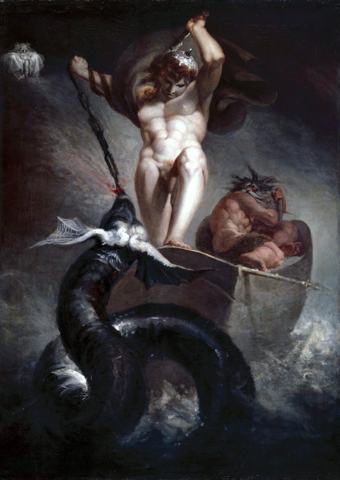
The World Serpent. Loki's monstrous child, cast into the ocean until it grew to ring all Midgard and bite its own tail. Thor's appointed enemy.
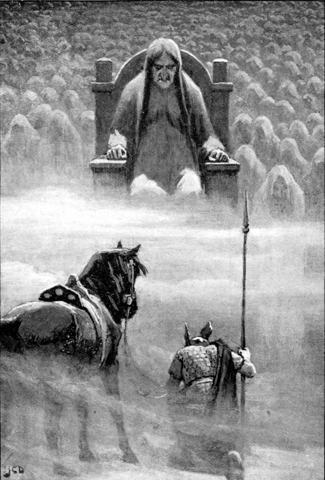
Queen of the Dead. Half living woman and half corpse, Loki's daughter rules the cold realm where those who die of sickness and age must go.
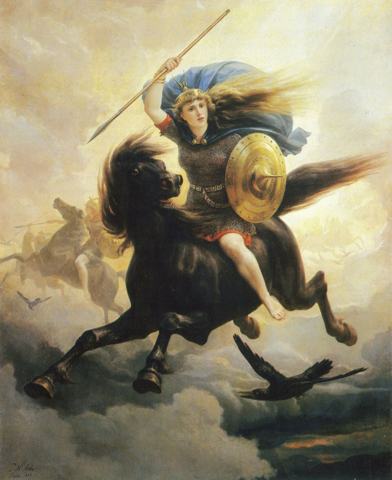
Choosers of the Slain. Odin's riders who decide who dies in battle and carry the chosen to Valhalla — battlefield spirits before they were shieldmaidens.
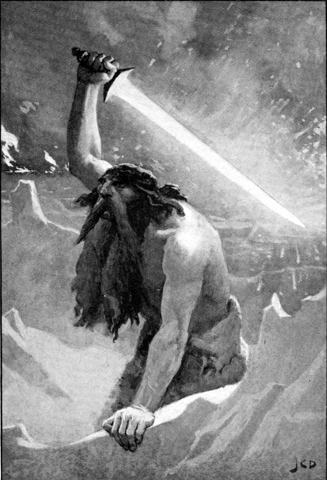
The Black One. The fire-giant who comes from the south at Ragnarok with a sword brighter than the sun, and burns the whole world to the ground behind him.
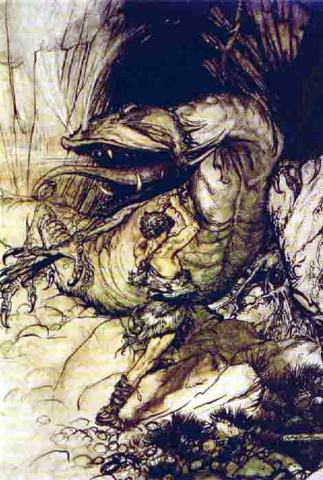
The dwarf-born son who murdered his father for cursed gold, turned into a dragon to guard it alone, and was killed from a pit by Sigurd.
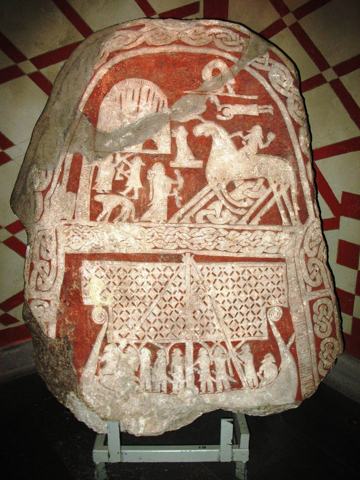
The grey eight-legged horse Loki bore as a mare. Best of all steeds, Odin's mount between the worlds, and the only horse to jump the gate of Hel.
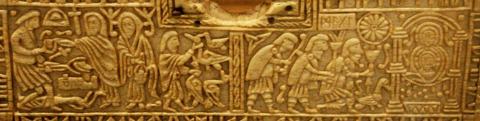
The alfar of Old Norse belief: sacrificed to at the alfablot, ranked beside the gods in poetry, and never quite pinned down by Snorri's own tidy scheme.
Gnawer of roots. The dragon chewing the world tree from below, feeding on oath-breakers, and flying up out of the dark in the last stanza of Voluspa.
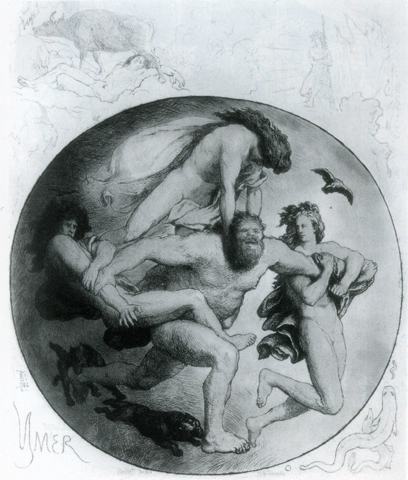
The frost-giant who came first, out of the meeting of fire and ice — killed by Odin and his brothers, his body split apart to build the world.
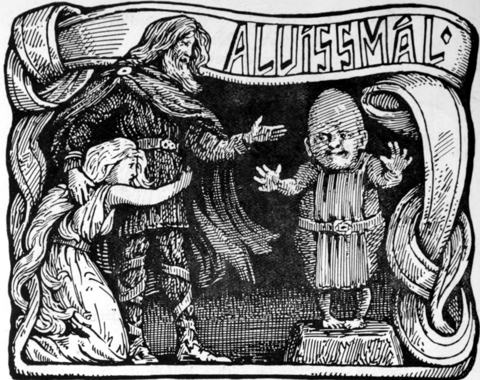
The Norse dvergar: earth-born craftsmen who forged Mjolnir and Draupnir, turn to stone in sunlight, and resist every tidy definition scholars give them.
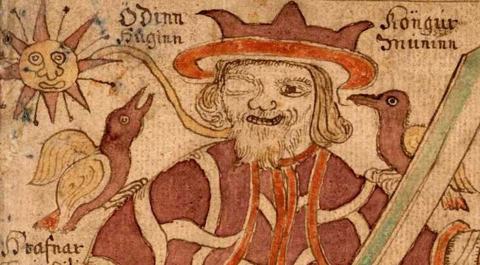
Thought and Memory. Odin's two ravens fly the whole world each day and report at his ear - and he admits he fears losing Memory more.
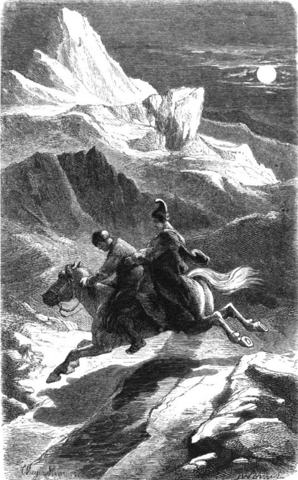
The Icelandic sagas' reanimated corpse: physically solid, superhumanly strong, and dangerous mainly to the farm it refuses to leave.
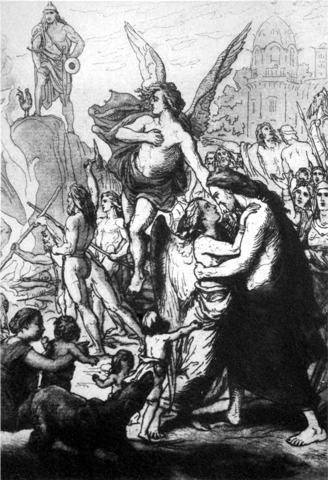
The stronghold of the AEsir. A walled citadel of halls at the top of the world tree, reached by the rainbow bridge and built on a bargain the gods broke.
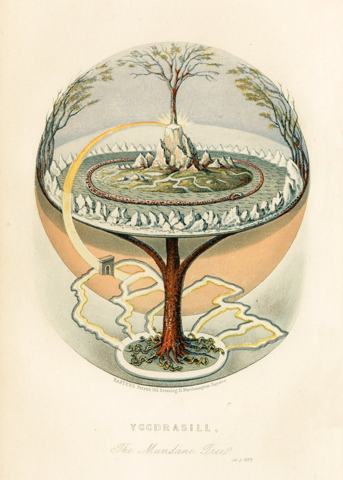
The World Tree. The great ash whose roots reach three wells and nine worlds, tended by the norns, eaten from every side, and still standing when the sky burns.
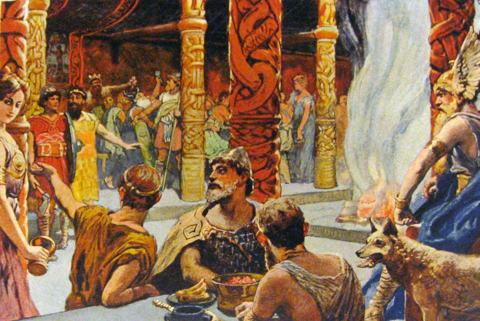
Hall of the Slain. Odin's roof of shields where the chosen dead feast, fight, and are healed each night — an army kept in reserve for Ragnarok.
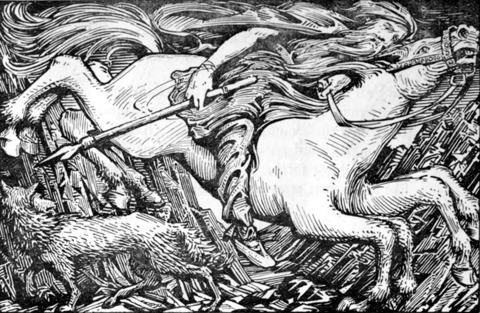
The cold underworld. Down and to the north, past a gold-roofed bridge and a gate that does not open twice, the hall where most of the Norse dead actually go.
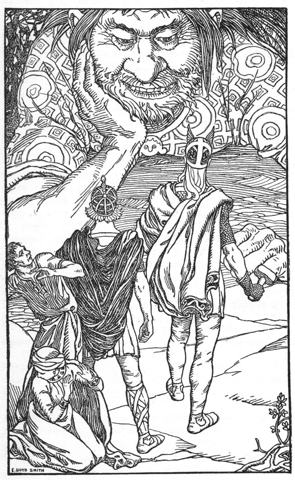
Land of the giants. The wild country east of the fence, older than the gods, holding the wisdom and the brides the AEsir keep going out to take.
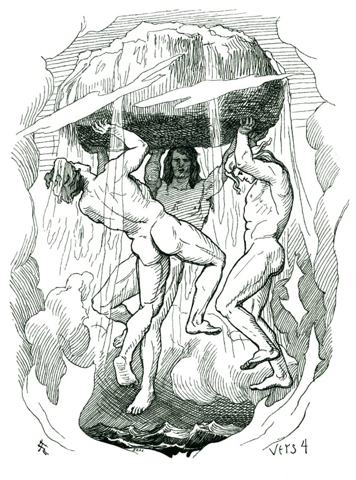
The middle enclosure. The human world, built from a murdered giant's body, fenced by his eyebrows, and ringed by a serpent that will one day let go of its tail.
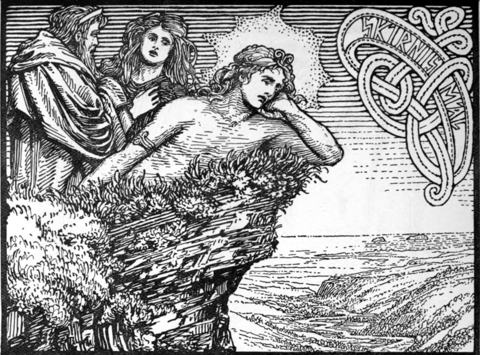
The realm of the light-elves, given to Freyr as a baby present — one of the least described places in the Norse cosmos.
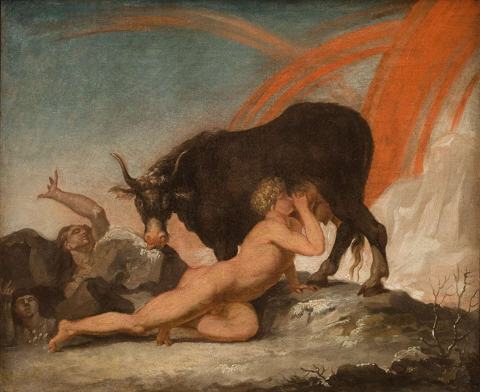
The primordial realm of frost and mist in the north — and, in Snorri's telling, confused ever after with the realm of Hel.
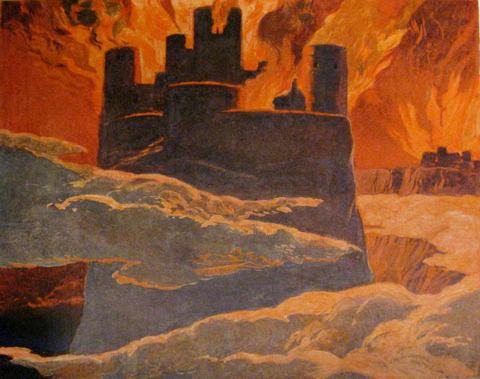
The primordial fire-region of the south, older than the earth — home of Surtr and the sons of Muspell, present at the world's making and its burning.
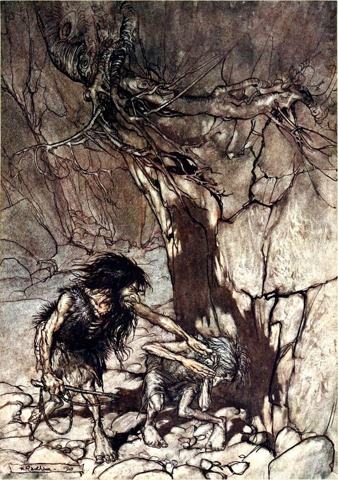
The underground realm of the dwarves and their forges — a name that appears only in Snorri Sturluson's Prose Edda, not in the older Poetic Edda at all.
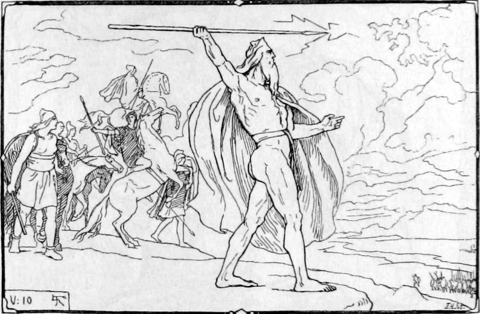
Home of the Vanir — named exactly once in the surviving sources, as the place Njord came from. Everything else about it is inference from its famous emigrants.
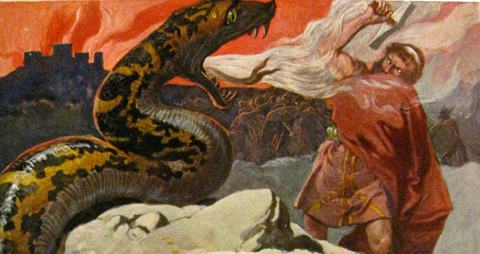
Hammer of Thor. Dwarf-forged, short in the handle, it strikes like lightning, hallows oaths and the dead, and always returns to the hand that throws it.
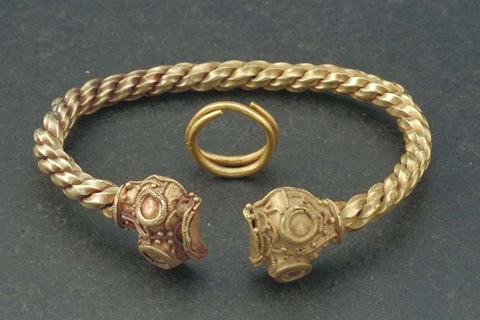
The dripping ring. Odin's gold arm-ring, which sheds eight more of its own weight every ninth night — burned on Baldr's pyre, and sent back from Hel.
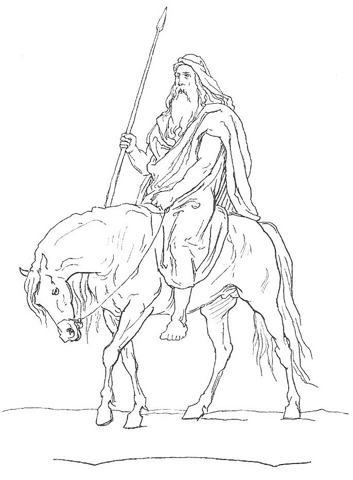
Odin's spear. Dwarf-made, rune-carved, and thrown over an army to hand it to the god of the hanged — the weapon that starts the first war in the world.
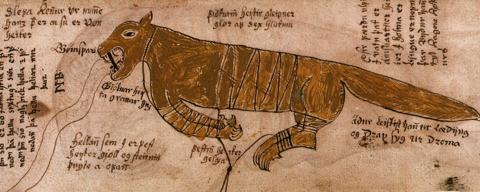
The binding ribbon. A silk-soft cord spun from six impossible things — the only fetter that ever held Fenrir, and it cost Tyr his sword-hand to fasten.
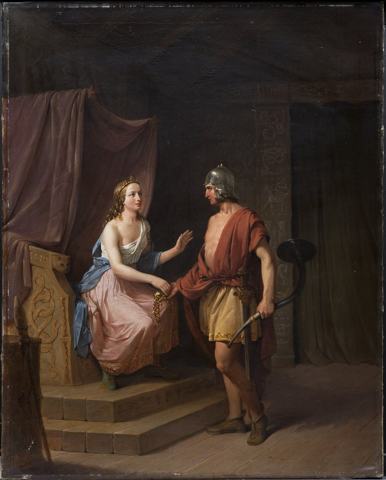
Freyja's necklace. A torc famous enough to reach Old English verse — worn by Thor in disguise, stolen by Loki, and fought over by Heimdallr as a seal.
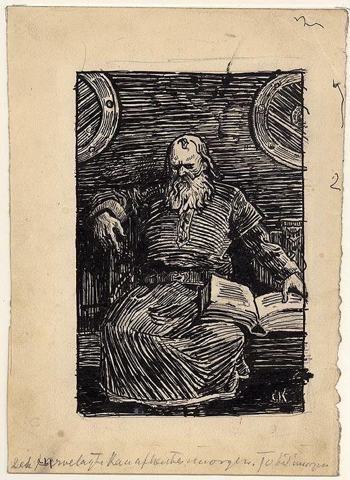
Snorri Sturluson's 13th-century handbook of Norse myth and poetics, in four parts — the fullest surviving guide to the gods, written to keep old poetry legible.
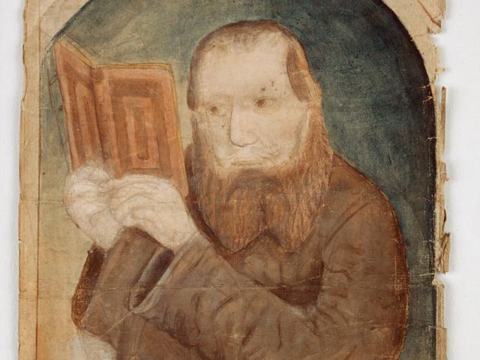
Anonymous Old Norse poems on gods and heroes, preserved in one 13th-century manuscript — the primary source for most of what survives of Norse myth.
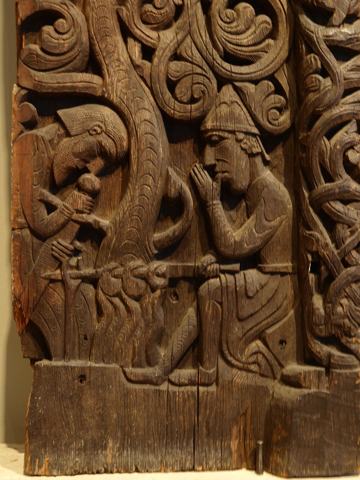
The 13th-century Icelandic saga that turns scattered eddic poems about Sigurd, Brynhild and cursed gold into one continuous, doom-laden family history.
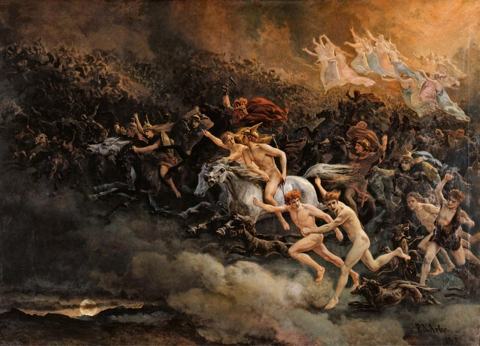
The Norse and wider Germanic midwinter festival of feasting, sacrifice and oath-swearing — later fixed to Christmas by royal decree, not by simple continuity.
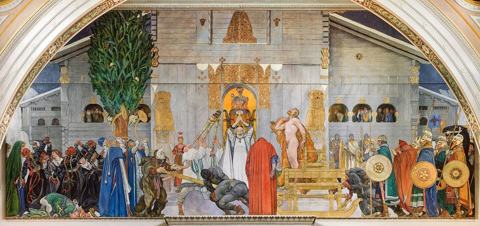
The Old Norse sacrifice: an animal killed, its blood sprinkled on altar and idols, its meat boiled and shared in a hall feast to buy the gods' favour.
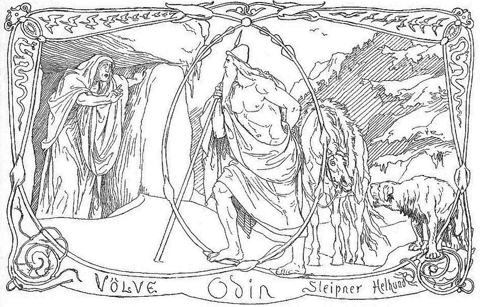
Norse trance magic of prophecy and fate-shaping, taught by Freyja to the gods and practised by wandering seeresses — powerful, gendered, and socially dangerous.
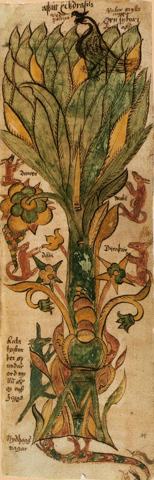
The Worlds of Yggdrasil. Norse sources count nine worlds on the world tree — but no medieval text ever lists them, and the familiar roster is modern.
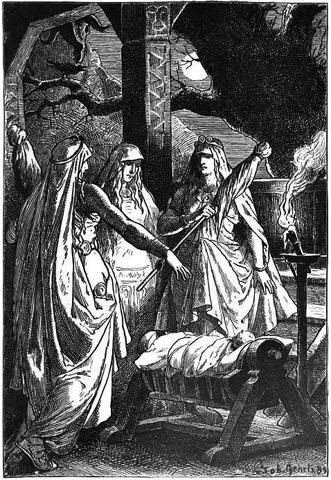
The weave of fate. The Germanic idea that what happens has already turned — laid down at a well by the norns, binding gods and men alike.
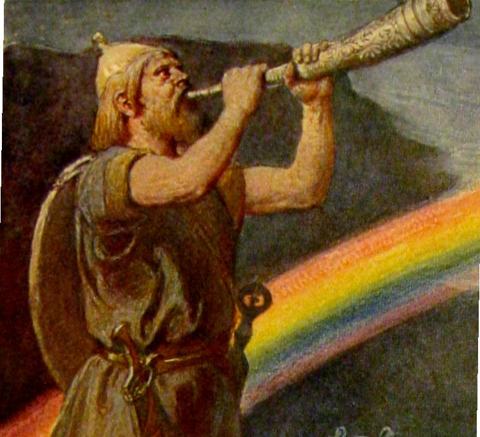
The burning rainbow bridge from earth to Asgard. Strongest thing ever built, guarded by Heimdall - and fated to shatter under the riders of Ragnarok.
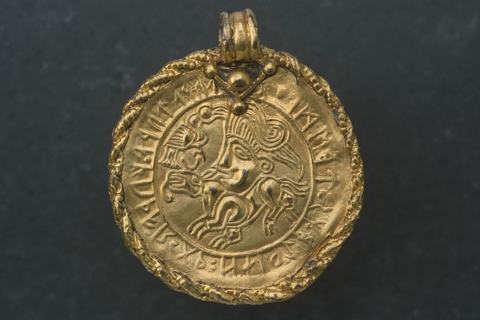
The runic alphabets of the Germanic world, won by Odin on the tree in Havamal — a real writing system long before it became a modern divination kit.
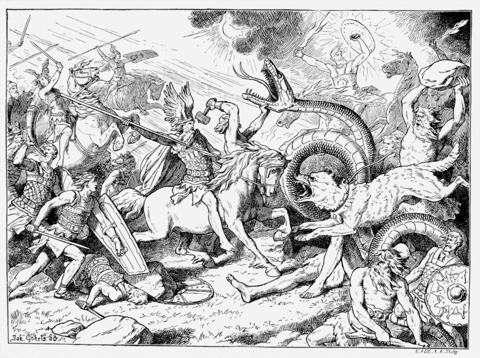
The Twilight of the Gods. The prophesied end: a killing winter, the breaking of every bond, a battle no one survives — and an earth that rises again.
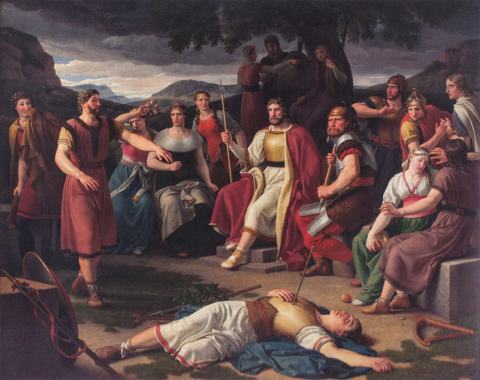
The first tragedy. A god made invulnerable by oath, killed by the one plant nobody asked — the murder that starts the clock on Ragnarok and cannot be undone.
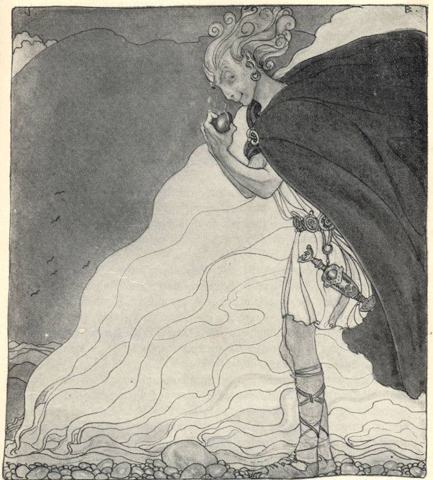
Voluspa calls it the first war in the world. Gullveig burned three times, Odin cast the first spear, and the truce reshaped the Norse pantheon.