The Olympians, heroes, and monsters of ancient Greece, drawn from Hesiod, Homer, and the classical mythographers.
49 entries in 10 chapters
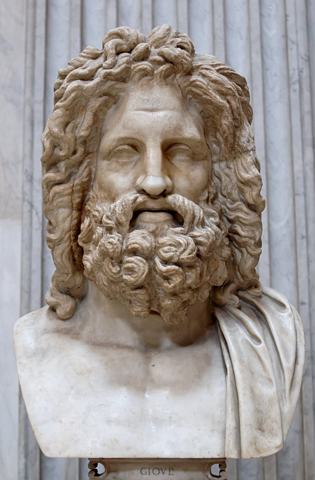
King of the gods and lord of the sky, thunder and justice. He overthrew his own father, divided the universe by lot, and guaranteed the laws of hospitality.
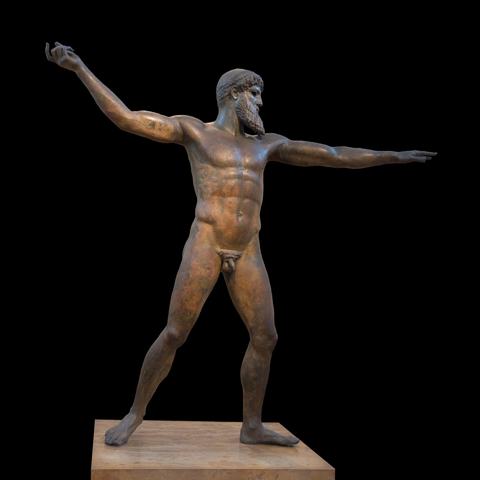
God of the sea, earthquakes and horses. Brother of Zeus, wielder of the trident, and the divine enemy who keeps Odysseus from reaching home.
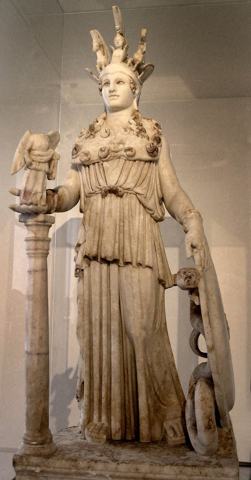
Goddess of wisdom, strategy and craft, born fully armed from the head of Zeus. Patron of Athens, of heroes, and of Odysseus above all.
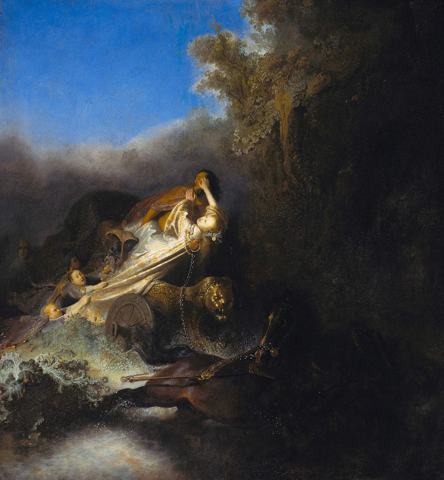
Lord of the underworld and of the wealth beneath the earth. Not a devil — a grim, lawful king whose only rule is that no one leaves.
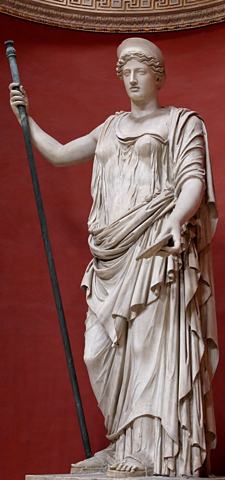
Queen of the gods. Zeus's sister, wife and most dangerous opponent — goddess of marriage in cult, and in Homer the one Olympian he is genuinely wary of.
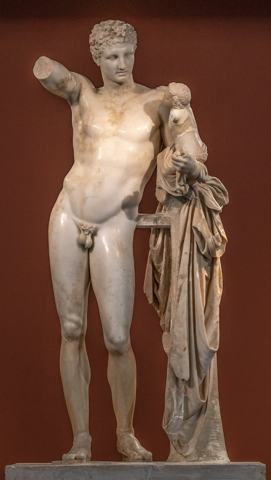
Messenger of the gods and guide of the dead. Patron of travellers, traders, heralds and thieves, and the only Olympian who crosses every boundary at will.
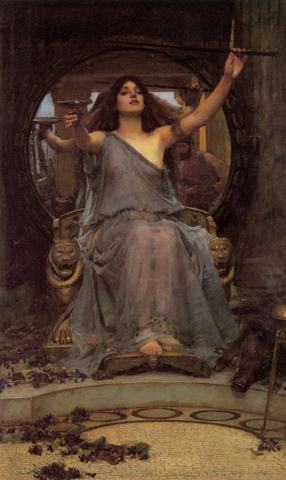
Goddess-enchantress of the island of Aiaia. She turned Odysseus' crew into swine, then became the one guide who told him how to reach the dead.
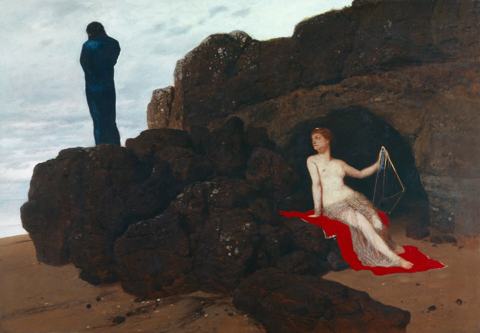
Immortal nymph of the hidden island of Ogygia. She kept Odysseus for seven years and offered him deathlessness; he chose a mortal wife and a rocky island.
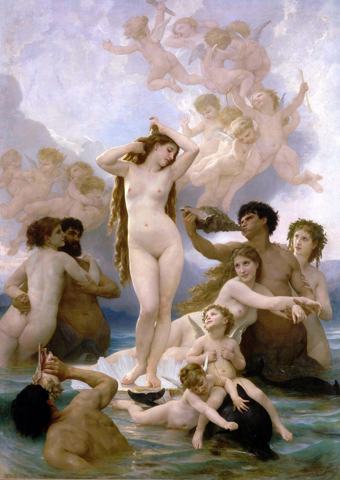
Born from sea foam or fathered by Zeus — the goddess of desire, whose power over gods and mortals starts wars as easily as marriages.
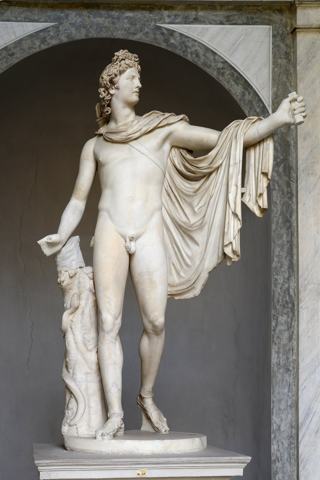
Twin of Artemis, lord of Delphi. God of prophecy, music, healing and plague — the far-shooter whose arrows bring both the cure and the sickness.
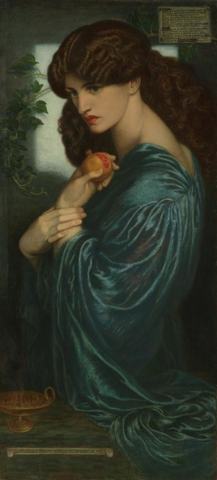
The girl carried off in a chariot and the dread queen of the dead. Persephone divides her year between the grain above and the throne below.
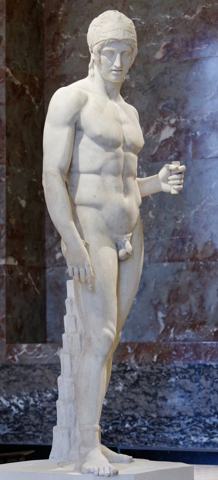
The Greek god of war as slaughter rather than strategy — hated by his own father, beaten by Athena, and worshipped anyway on the edges of the Greek world.
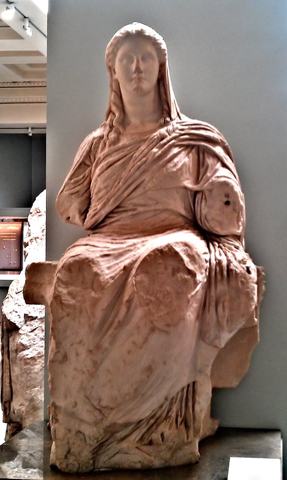
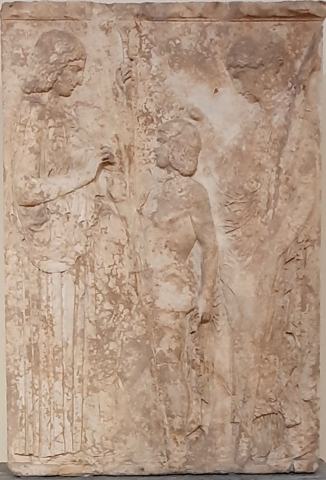
Goddess of grain and the mother who stopped the world's harvest to get her daughter back. Founder of the Eleusinian Mysteries.
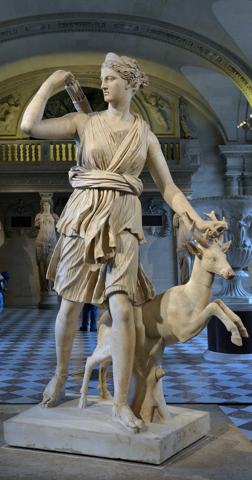
Virgin huntress, mistress of animals, twin of Apollo. Protector of the young and the wild — and a goddess whose arrows kill without warning.
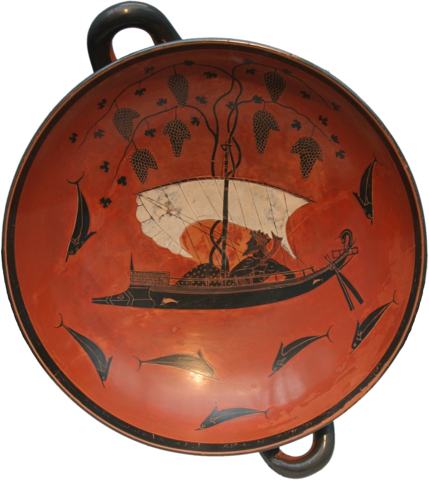
Twice-born god of wine, madness and the mask. He dissolves the boundary between god and beast, and destroys the cities that refuse him.
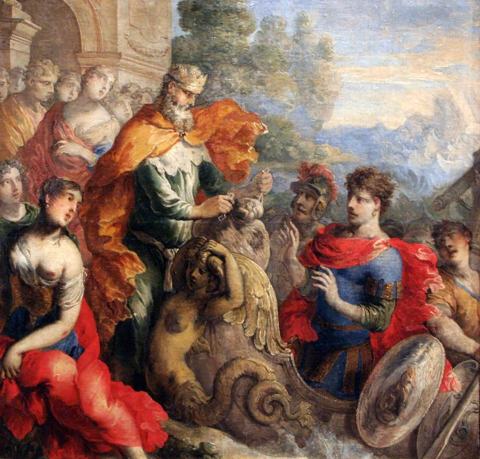
Keeper of the winds on the floating island of Aiolia. He gave Odysseus a leather bag holding every gale but one — and the crew opened it.
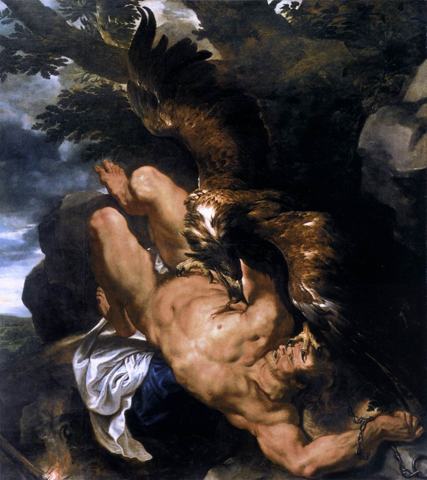
The Titan who tricked Zeus, stole fire for humanity, and paid with an eagle sent daily to eat his regenerating liver - freed, in the end, by Heracles.
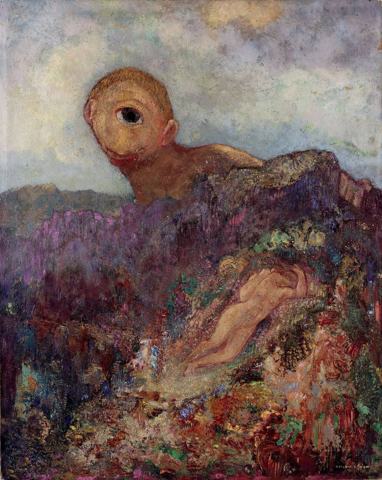
The one-eyed Cyclops of Odyssey 9. A cave-dwelling giant and son of Poseidon, blinded by a man who called himself Nobody.
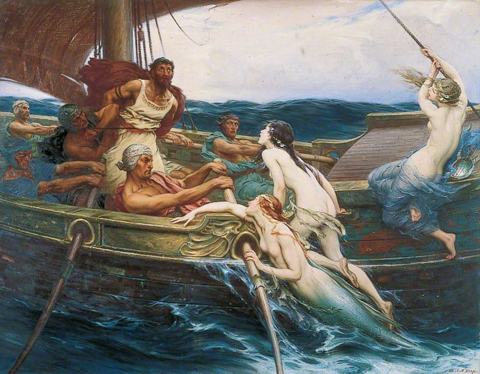
Bird-bodied singers of the Odyssey whose song promises knowledge, not romance. Odysseus heard them lashed to his mast, his crew rowing with waxed ears.
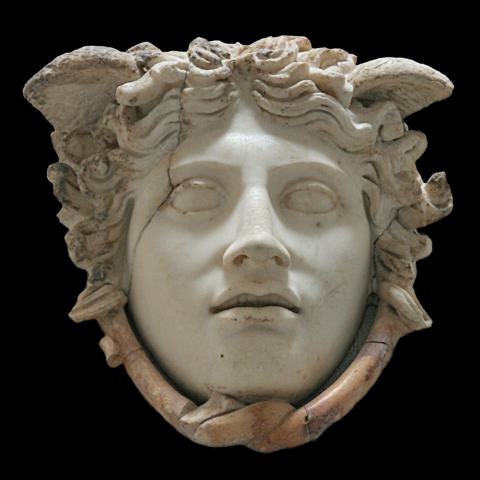
The Gorgon. The only mortal one of three sisters, whose gaze turned men to stone and whose severed head became the most powerful protective emblem in Greek art.
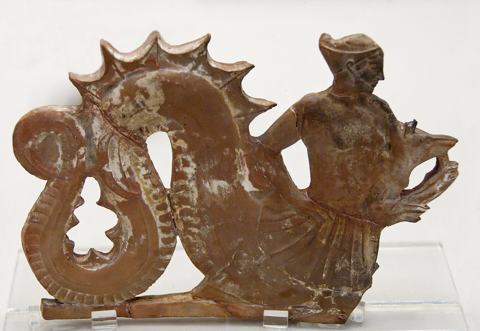
The twin sea-terrors of Odyssey 12 — a six-headed cliff monster and an all-swallowing whirlpool, set close enough that avoiding one means meeting the other.
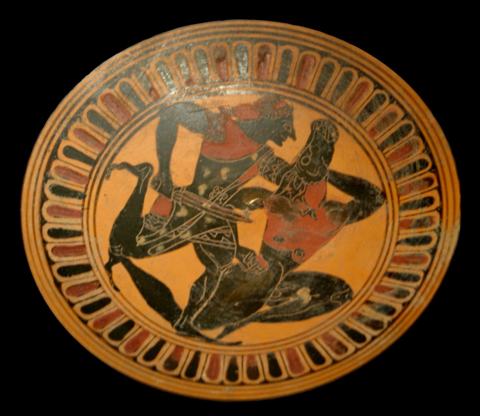
Bull of the labyrinth. The bull-headed son of a Cretan queen, hidden in a maze and fed Athenian children until Theseus followed a thread in.
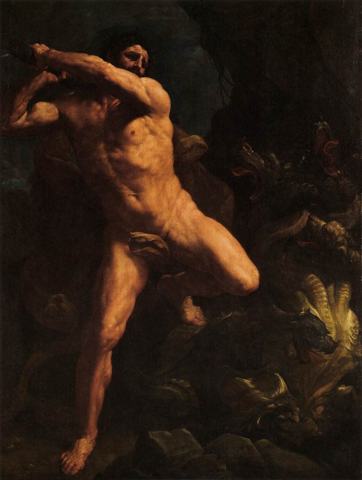
The regenerating, poison-blooded serpent of the Lernaean swamp that Heracles killed with fire in his second labor — and that ancient writers already doubted.
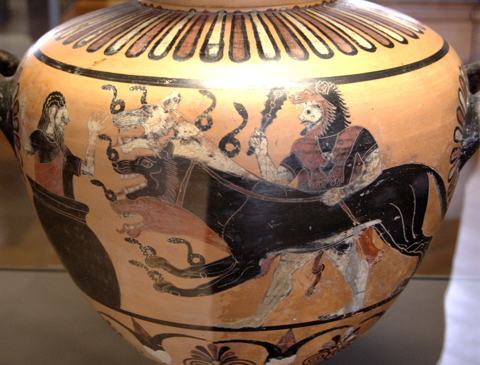
The many-headed hound who guards the gates of the underworld. He fawns on everyone who enters and devours anyone who tries to leave.
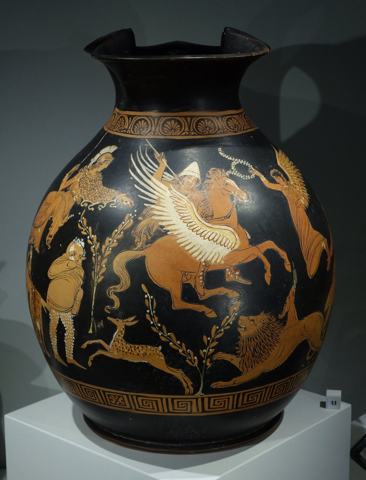
The winged horse born from a Gorgon's blood, tamed by Bellerophon to kill the Chimera, and set by Zeus to carry his thunder and lightning.
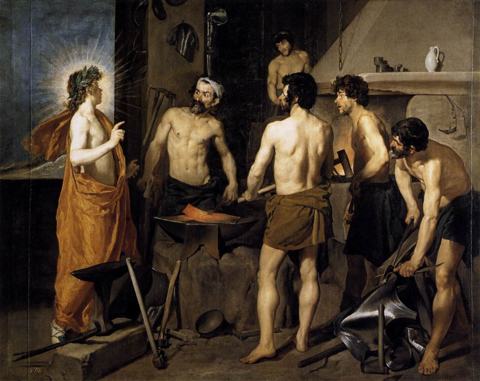
The round-eyed ones — three divine smiths who forged Zeus's thunderbolt, a race of lawless one-eyed shepherds, and the builders of walls no man could lift.
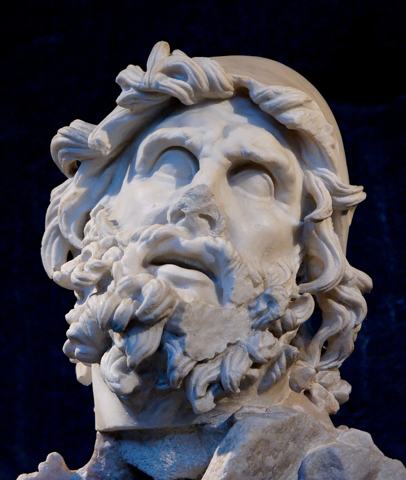
King of Ithaca and the man of many turns. Homer's cleverest hero, who took ten years to sail home from Troy and had to fight for his own house.
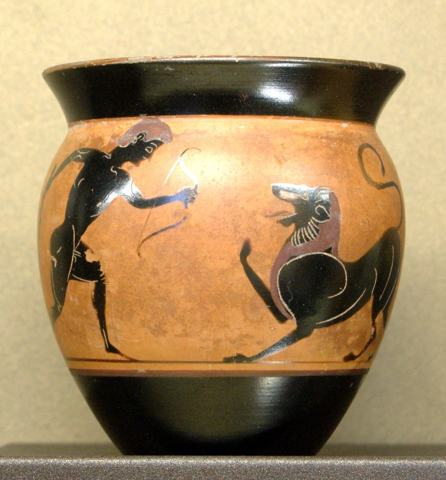
Zeus's mortal son, driven mad by Hera and set twelve impossible labours as penance - the strongest man in Greek myth, who died in agony and rose to Olympus.
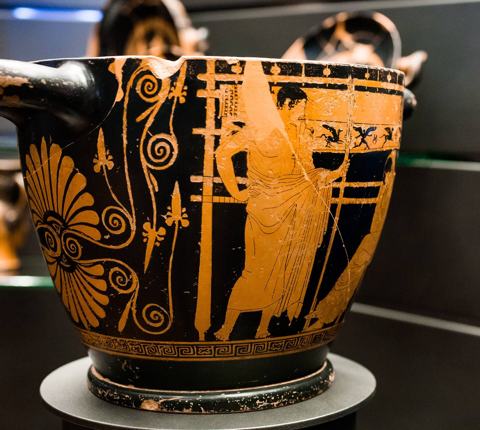
Queen of Ithaca and wife of Odysseus. She held a kingdom together for twenty years with a loom, a riddle, and a bow contest nobody could win.
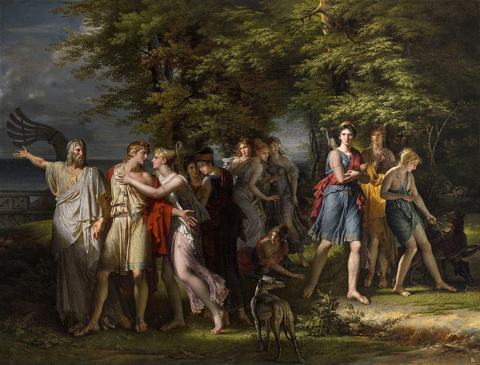
Prince of Ithaca and son of Odysseus. The Odyssey opens with his coming of age: a boy with no father learning how to be a man in a hall full of enemies.
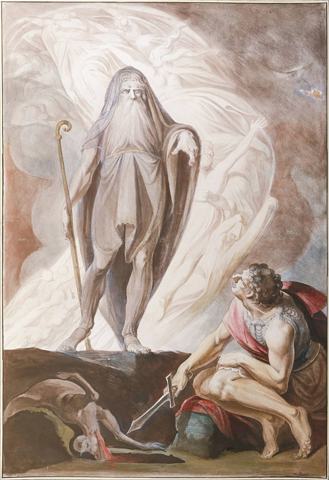
The blind prophet of Thebes who lived seven generations, spent seven years as a woman, and kept his mind intact among the dead.
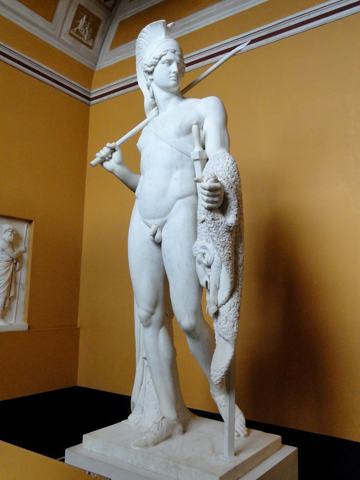
Jason and his crew of heroes sailed the Argo to the edge of the world for the Golden Fleece, and paid for it with a debt to the sorceress who made it possible.
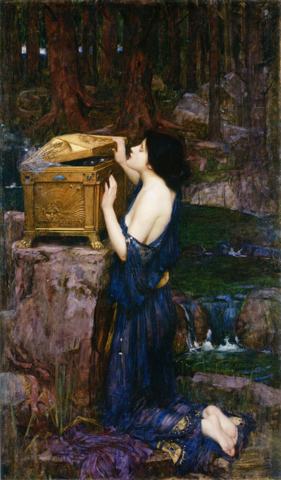
The first mortal woman, built by the gods and sent to open a sealed storage jar that let misery into the world — an ancient jar, not the box of later legend.
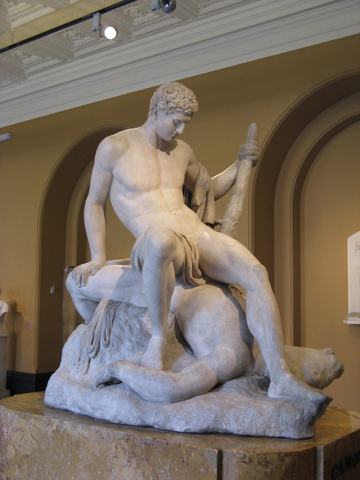
Athens's founding hero - slayer of the Minotaur, unifier of Attica, and the man whose forgotten sail cost his own father's life.
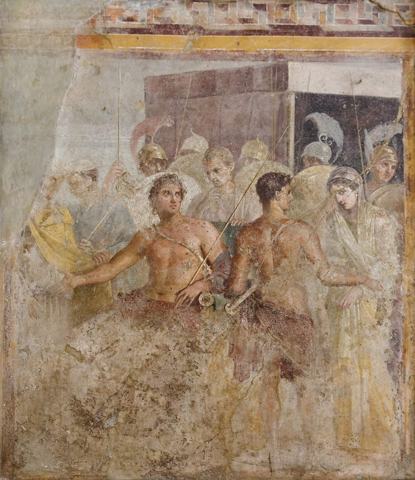
The greatest fighter at Troy, doomed by his own choice of a short glorious life over a long quiet one, and undone in the one place he could still be wounded.
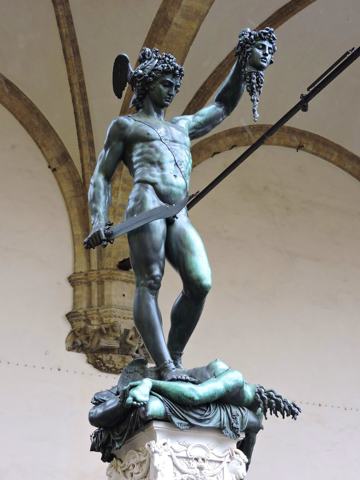
The hero who beheaded the Gorgon Medusa with borrowed weapons, rescued Andromeda from a sea-monster, and fulfilled the prophecy he spent his life escaping.
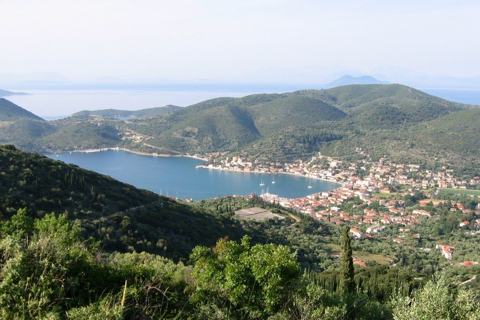
The rocky island kingdom of Odysseus and the destination of the Odyssey — a small, goat-grazed place worth ten years of sailing to get back to.

Home of the gods. A real snow-capped mountain in northern Greece that Homer made into a cloudless upper world where the twelve immortals hold court.
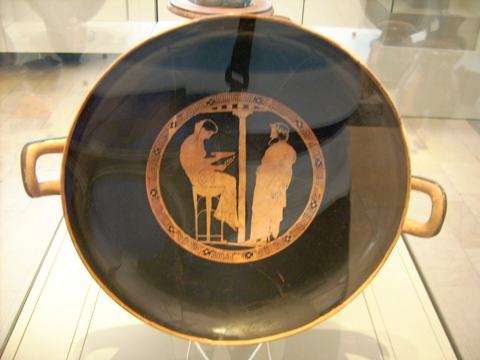
The mountainside sanctuary of Apollo where the priestess Pythia delivered oracles for over a thousand years, and the modern debate over what made her speak.
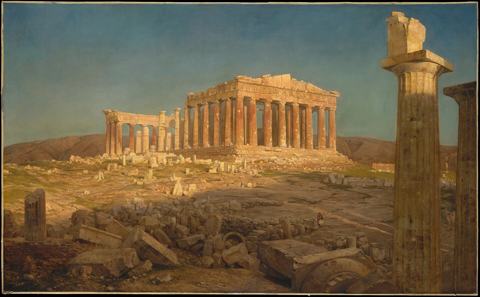
The Doric temple to Athena on the Athenian Acropolis, built under Pericles, decorated by Phidias, and still the most famous ruin in Greece.
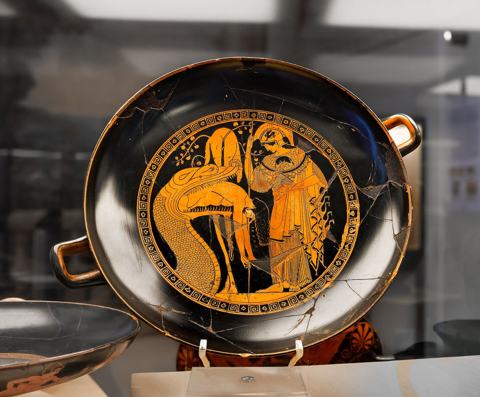
The pelt of a winged golden ram, hung in a grove sacred to Ares and guarded by a sleepless dragon, that Jason sailed to the edge of the world to steal.
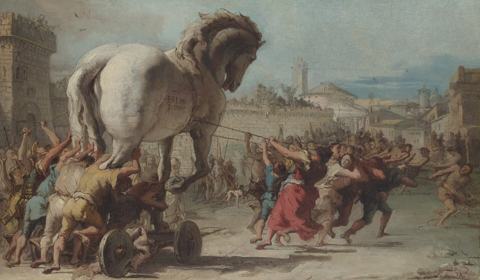
The hollow wooden horse that let the Greeks inside Troy's walls — absent from the Iliad, first told in the lost Epic Cycle, and made famous by Virgil.
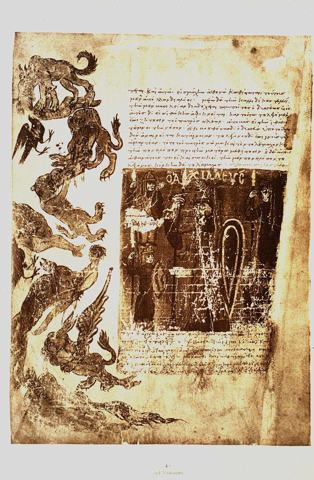
Homer's epic of the final weeks of the Trojan War, opening with Achilles's rage and closing with the ransom of Hector's body.
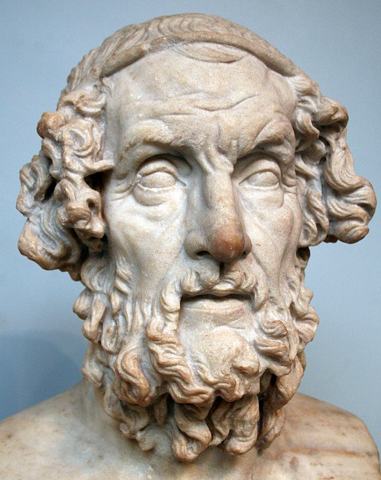
Homer's epic of Odysseus's ten-year voyage home from Troy, the founding adventure story of Western literature and the subject of a 2026 film.
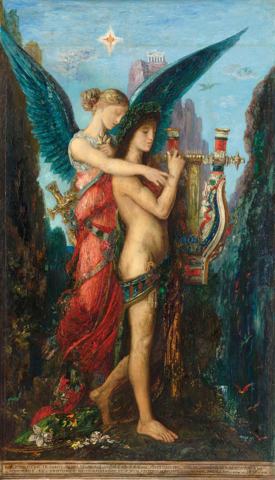
Hesiod's archaic poem tracing the gods from primordial Chaos to the reign of Zeus, the closest thing Greek religion has to an official genealogy.
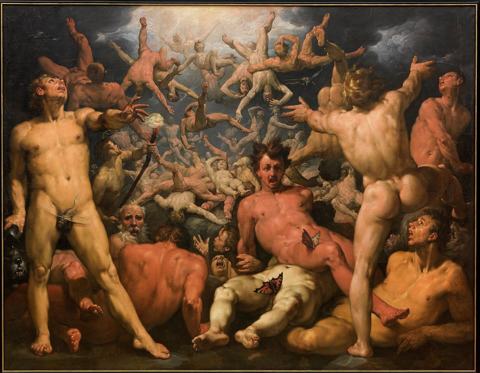
The twelve children of Sky and Earth who ruled before Zeus. Cronus, Rhea, Oceanus, Prometheus' line — and the ten-year war that buried them in Tartarus.
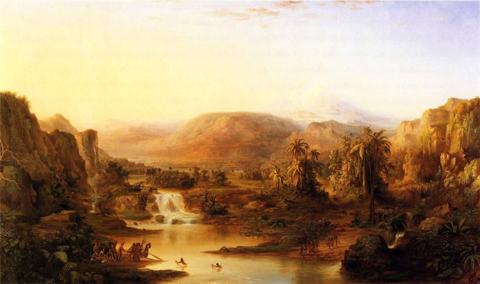
The flower-eating men — Homer's gentlest disaster, a people whose food is no weapon and yet erases the desire to go home.