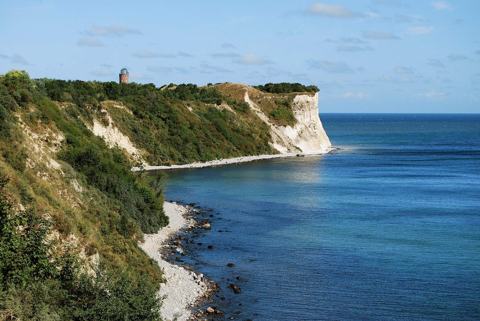
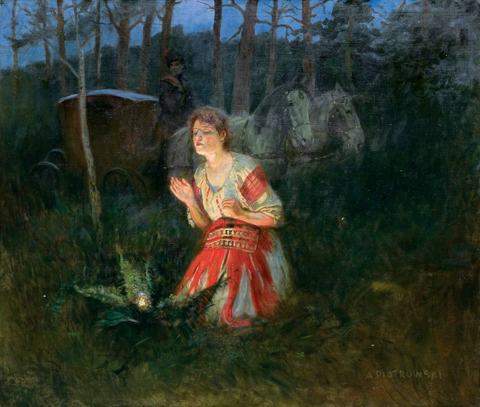
The thunderers, earth-mothers, and forest spirits of the pre-Christian Slavs, reconstructed from chronicle and folklore.
41 entries in 9 chapters
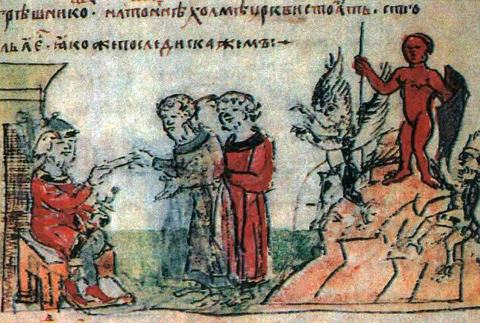
God of thunder and the striking bolt — the oak-crowned sky lord of the early Slavs, sworn by in treaties and thrown into the Dnieper at Rus' baptism.
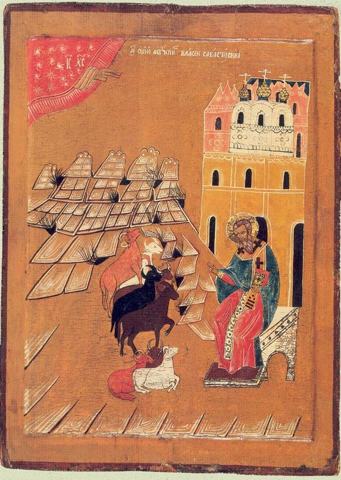
Lord of the cattle and the world below — the second god the Rus' swore by, whose name survived as a curse, a saint's herd, and a beard of grain in the field.
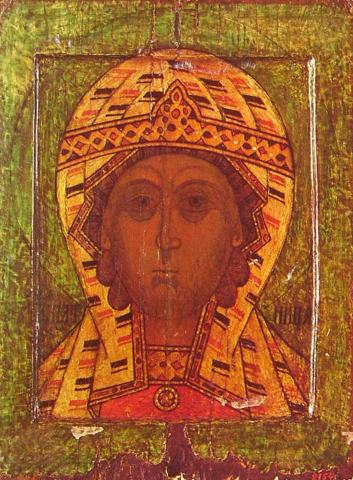
Mother of the damp earth and the spun thread — the only goddess on Vladimir's hill, who outlived her own cult as a night spirit and as Saint Friday.
Sun god of the Kyivan pantheon and, in the Tale of Igor's Campaign, the mythical ancestor of the Rus' people themselves.
Wind god of the pagan Kyivan pantheon, remembered in the Tale of Igor's Campaign as the ancestor whose grandsons are the winds themselves.
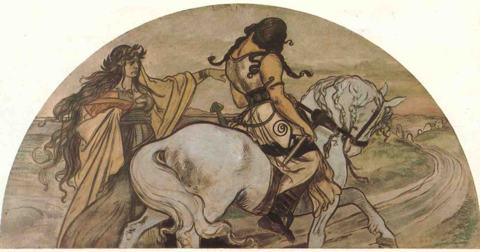
Slavic winter-and-death figure, drowned in effigy every spring. The rite is documented from 1420; whether a real goddess stood behind it is debated.
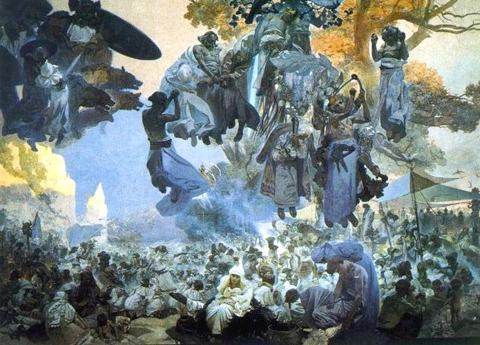
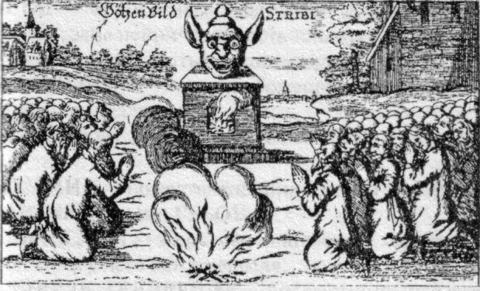
Four-headed war-oracle god of the Rugian Slavs at Arkona, described in unmatched detail by Saxo Grammaticus before Danes destroyed his temple in 1168.
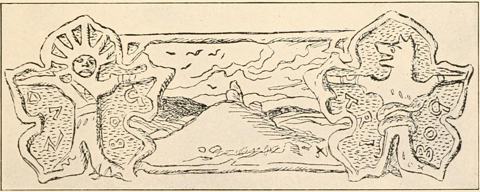
A genuinely attested "black god" of the Baltic Slavs, paired since the 1600s with a "white god" no medieval source actually names.
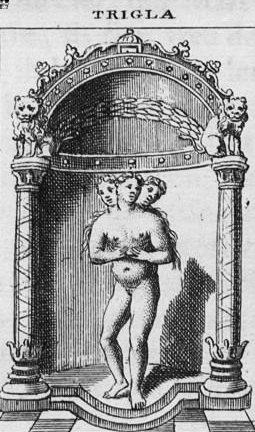
Chief god of the Pomeranian Slavs at Szczecin and Wolin, whose three joined heads were said to rule heaven, earth, and the underworld.
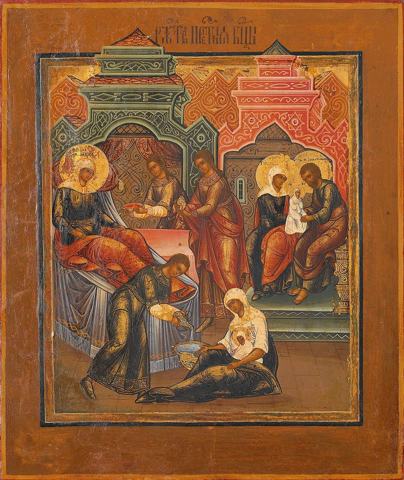
A name condemned in medieval Russian sermons alongside birth-spirits called the rozhanitsy - read by some as a supreme creator god, by others as no god at all.
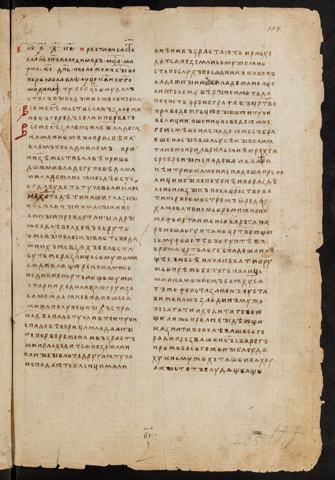
God of fire and the forge — a smith-god known from one glossed line in a Kyivan chronicle, and one of the most over-reconstructed figures in Slavic myth.
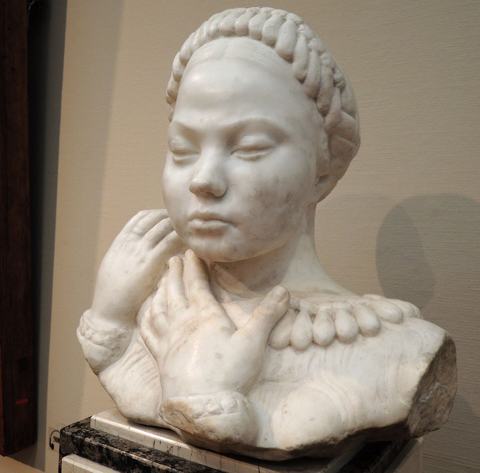
Popularly the Slavic goddess of love, spring and marriage. Most Slavists think she began as a song refrain misread as a divine name.
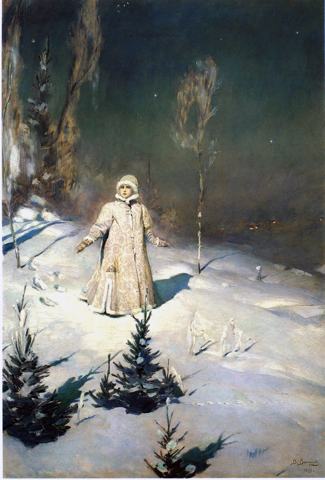
A Slavic spring figure known mainly from 18th- and 19th-century peasant rituals, not medieval texts — his "godhood" is largely later reconstruction.
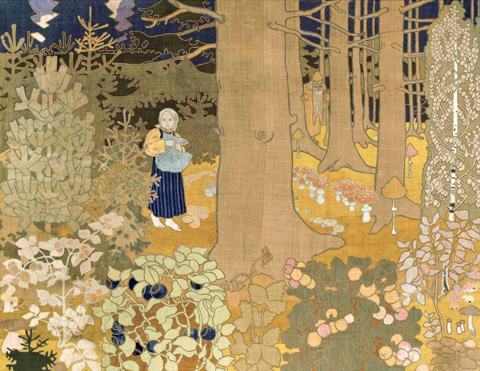
The Slavic forest lord who leads travellers in circles, owns the wolves and the game, and can stand taller than the pines or shorter than the grass.
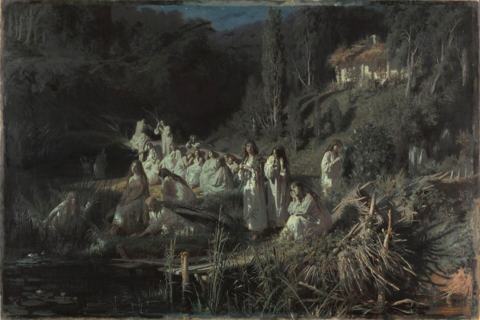
Slavic water spirit of the restless dead: a drowned or unbaptised girl who leaves the river for one week each summer to walk the fields and the woods.
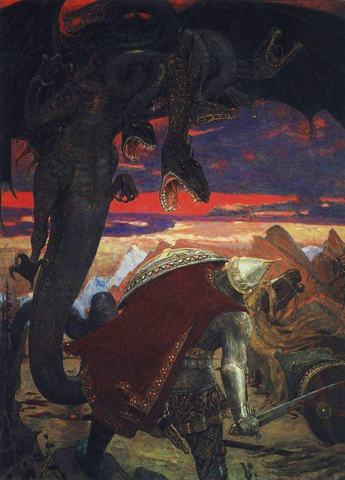
The many-headed dragon — the fire-breathing serpent of Russian epic song, met at a river crossing, and beaten only by a hero who refuses to stop swinging.
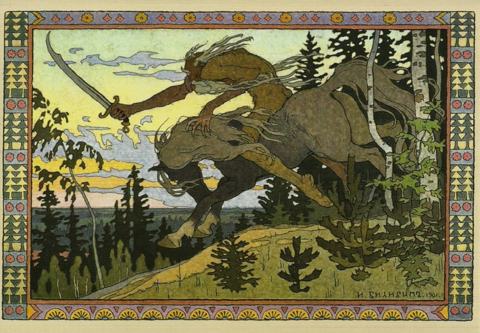
The undying sorcerer of Russian folktale who hid his death in a needle, inside an egg, inside a duck, inside a hare, inside a chest, beneath an oak.
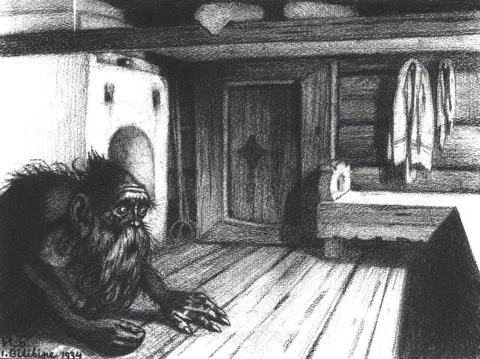
The Slavic house spirit who lives behind the stove, guards the family and its livestock, and turns hostile if the household forgets to feed him.
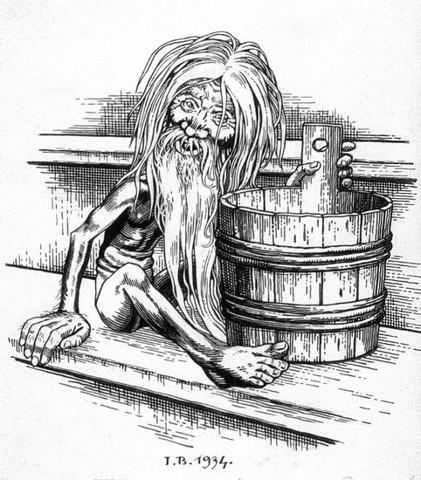
The irritable spirit who owns the Russian bathhouse after dark — a fortune-teller at Yuletide, a danger to anyone who bathes in his hour uninvited.
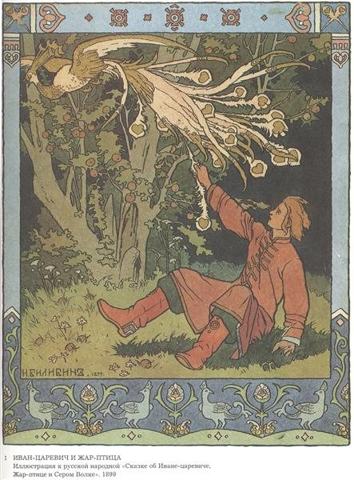
The glowing bird of Russian wonder tale whose single stolen feather starts a fatal quest — first collected by Afanasyev, later Stravinsky's ballet subject.
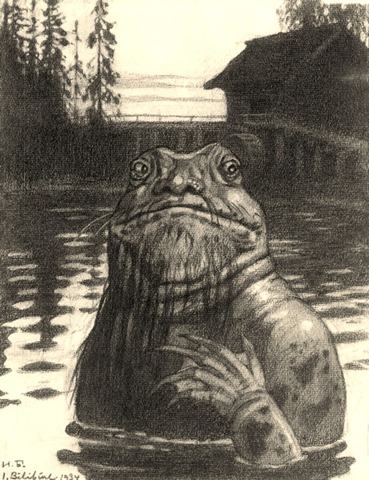
The bearded, shapeshifting master of Slavic rivers and millponds, placated by millers and fishermen and blamed for every drowning in his water.
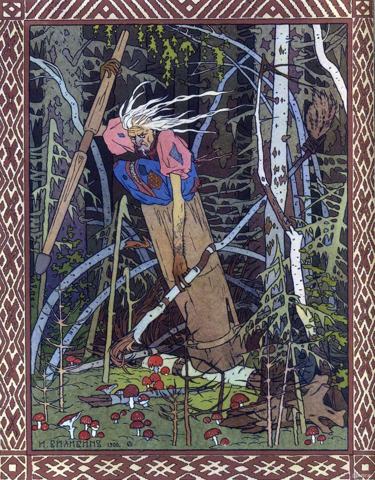
The witch of the wood — the iron-toothed old woman in a hut on chicken legs, who eats some visitors and hands the others exactly what they need.
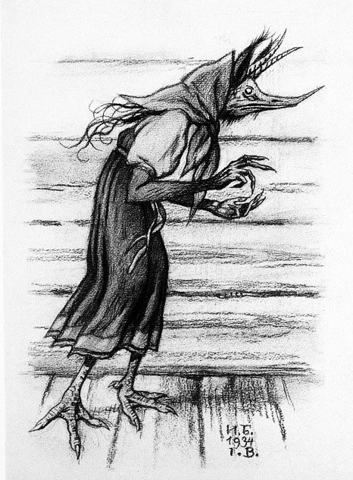
The domovoi's uneasy female counterpart in Russian folk belief — blamed for tangled yarn, bad omens, and trouble in the house or the swamp beyond it.
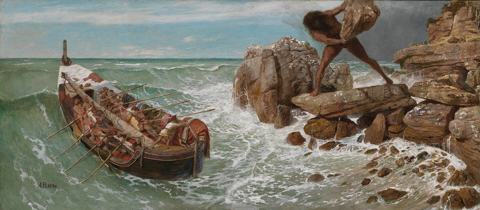
The one-eyed embodiment of misfortune in Slavic folk tale, blinded and evaded in a story that runs remarkably close to Homer's Polyphemus.
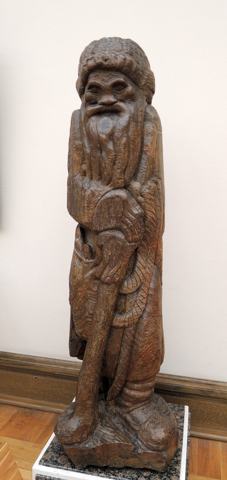
A white-clad woman who appears in Slavic fields at noon to strike down harvesters with sunstroke, madness, or sudden death for working through her hour.
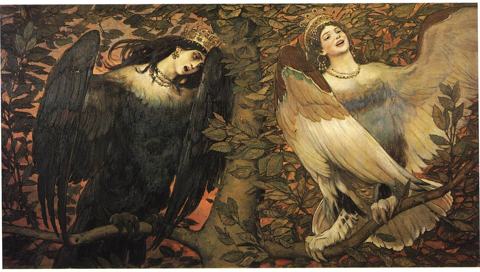
Human-headed bird-women of Russian legend, descended from the Greek siren and halcyon by way of Byzantium, and spread for centuries on cheap lubok prints.
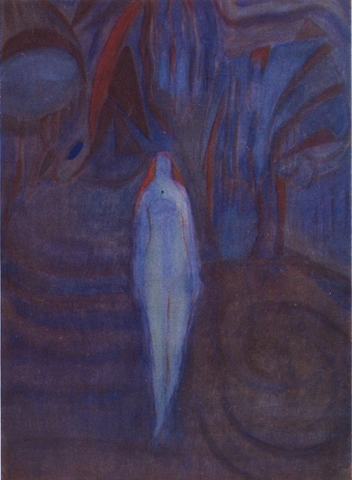
The beautiful, dangerous fairy-women of South Slavic mountains and epic song — healers, archers and shapeshifters, distinct from the East Slavic rusalka.
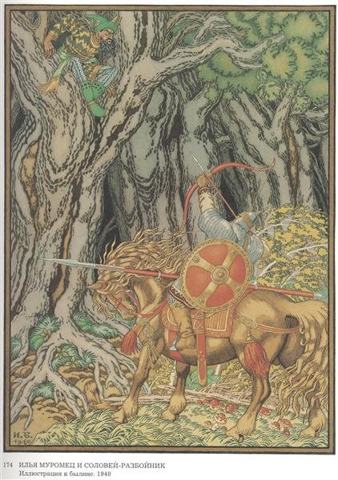
The paralysed peasant's son of Murom who rose from the stove to become Russia's greatest epic hero, and shot down the monstrous Nightingale the Robber.
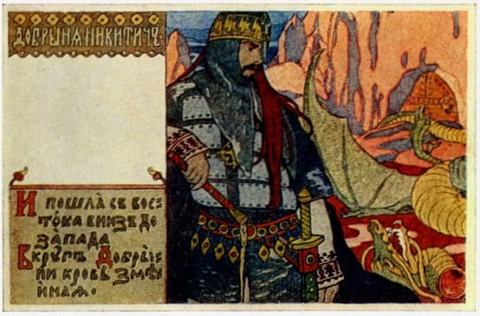
The courtly bogatyr of Kyivan byliny who slew the dragon Zmey Gorynych, outwitted a sorceress, and returned home from a false report of his death.
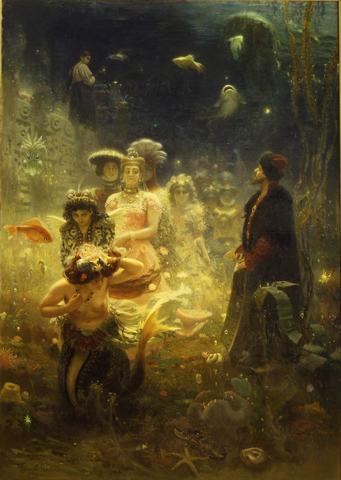
The poor gusli-player of Novgorod who wagered with the Sea Tsar, grew rich, and nearly stayed in the Tsar's underwater hall forever.
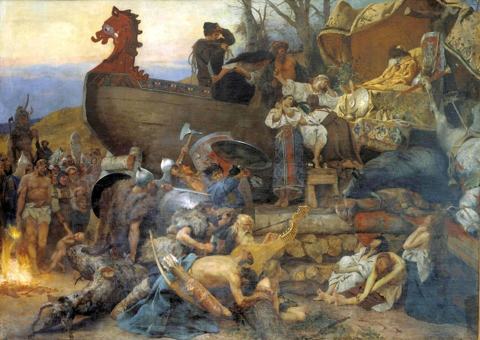
The land of the dead — an old Slavic word for a corpse and for the dead who come back, and the least documented otherworld in European mythology.
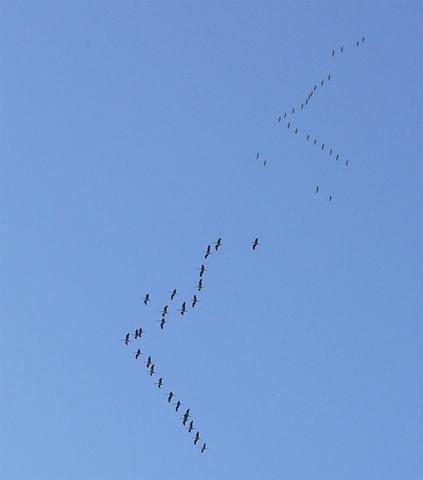
A warm otherworld at the earth's edge where migratory birds winter and, per some folklore, the dead go too - modern ethnography only, no medieval attestation.
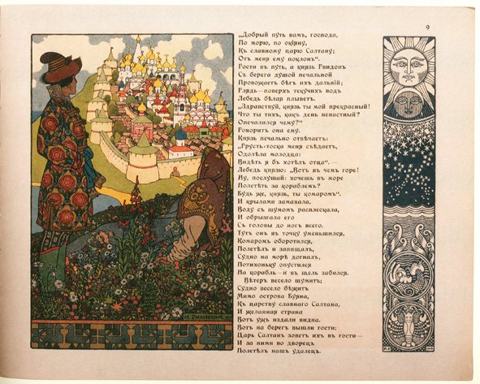
The magical island of Russian folk charm and fairy tale, home to the sacred stone Alatyr and, in wonder-tales, the hidden death of Koschei.
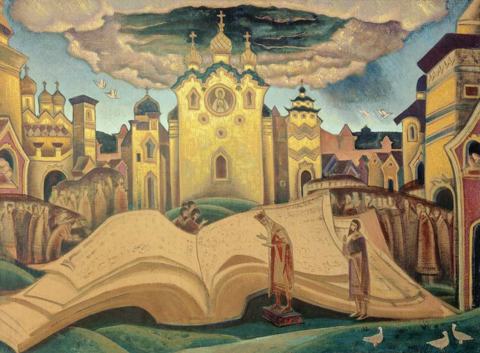
The "father of all stones" at the center of the world in Russian folk charms and the apocryphal Book of the Dove - a formula more than a place.
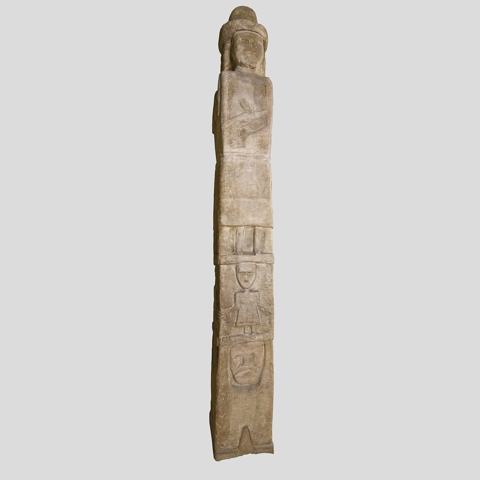
A carved limestone pillar recovered from the Zbruch river in 1848, popularly called Svetovid - though some scholars now argue it may be a 19th-century fake.
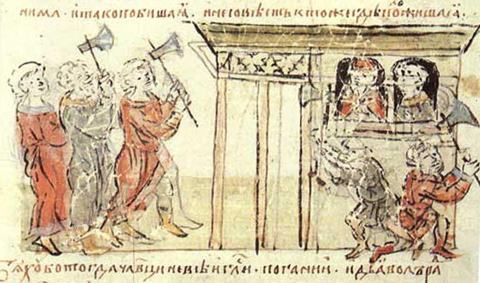
The founding chronicle of Kyivan Rus', c. 1113 - the only narrative source for Vladimir's pagan pantheon of 980 and its fall eight years later.
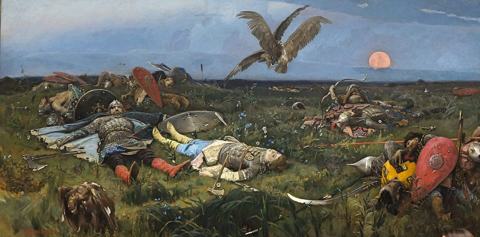
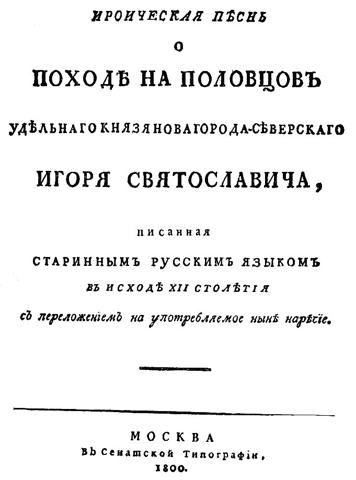
A 12th-century epic of a failed raid, its only manuscript burned in Moscow in 1812, and the two-century forgery debate that followed it.
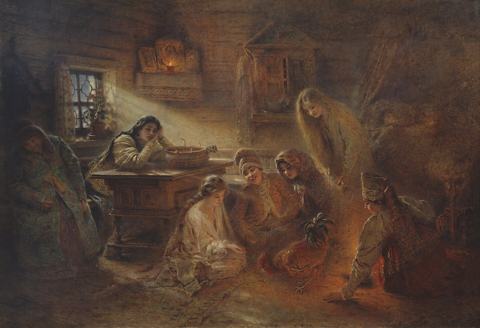
The Slavic midwinter cycle of caroling, mumming and fortune-telling around the solstice - not, despite popular retellings, evidence of a god named Koliada.
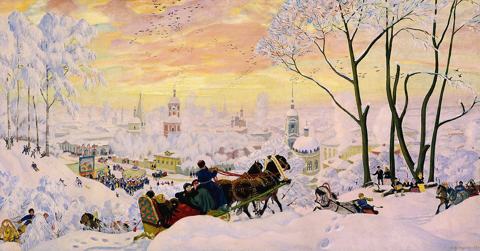
A week of pancakes, sledding and a burned straw effigy before Orthodox Lent - folk sun-worship by reputation, church calendar by attestation.