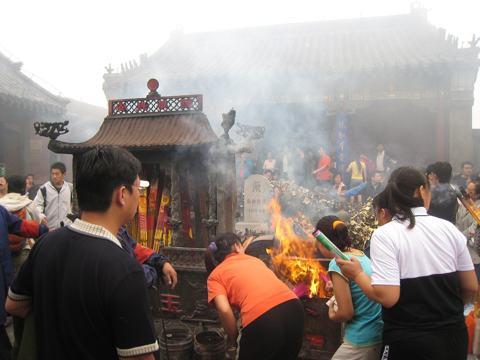
Gods, immortals, and beasts of Chinese myth — from the creators Pangu and Nüwa to the Monkey King — recorded across millennia of legend.
38 entries in 9 chapters
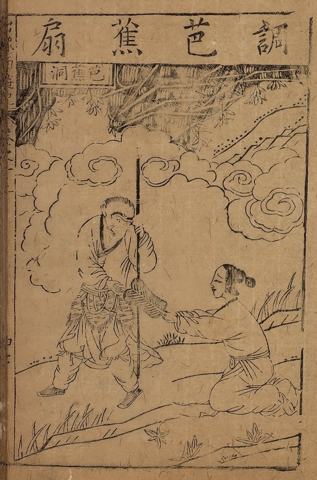
The Monkey King — a stone-born immortal with seventy-two transformations who fought heaven to a standstill, then walked to India as a monk's disciple.
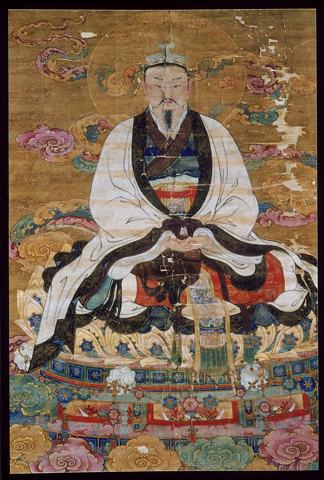
Sovereign of Heaven and head of the celestial bureaucracy — the emperor of the gods, who governs the cosmos the way a dynasty governs a realm.
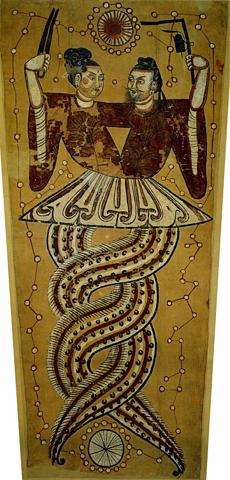
The serpent-bodied creator goddess who shaped the first humans out of yellow earth and patched the broken sky with five-coloured stone.
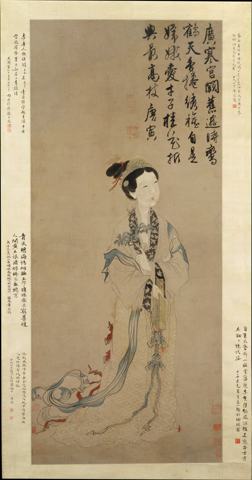
The moon goddess who swallowed the elixir of immortality and rose beyond reach — honoured each Mid-Autumn Festival with mooncakes and lanterns.
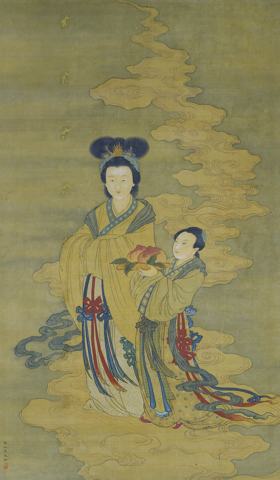
A tiger-toothed mountain spirit who became China's greatest goddess of immortality, keeper of the peaches that ripen once in three thousand years.
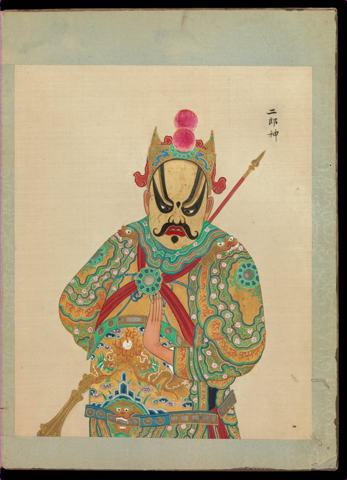
The three-eyed god of Guankou who tamed the floods and was the only celestial general able to beat the Monkey King in a fair fight.
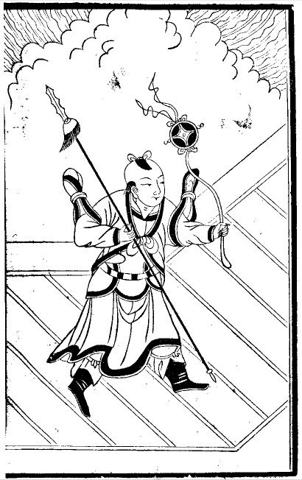
The child god who killed a dragon prince, returned his flesh to his parents, and was rebuilt out of lotus — China's most rebellious divine infant.
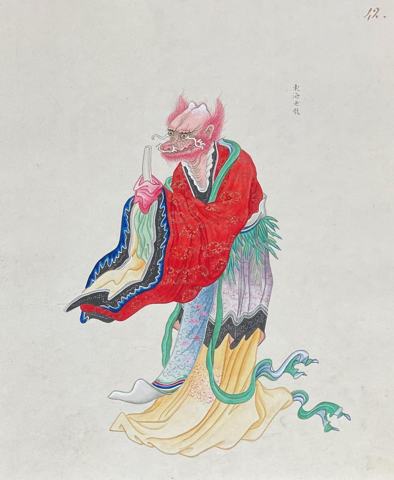
Four bureaucrat-dragons who rule the seas from undersea palaces, command rain and flood, and get bullied by mortal heroes in China's best-loved novels.
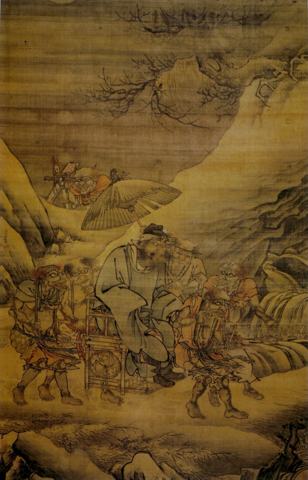
The ugly failed scholar who killed himself on the palace steps and came back as heaven's demon-catcher — hung on doors at New Year to eat what haunts the house.
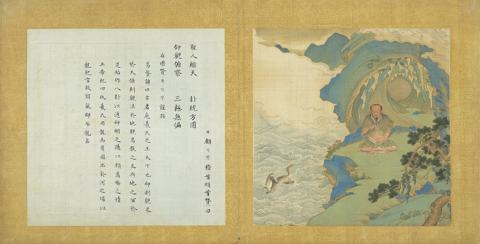
The serpent-tailed sage who read the eight trigrams from a dragon-horse's markings and taught fishing, fire, and marriage — first of China's Three Sovereigns.
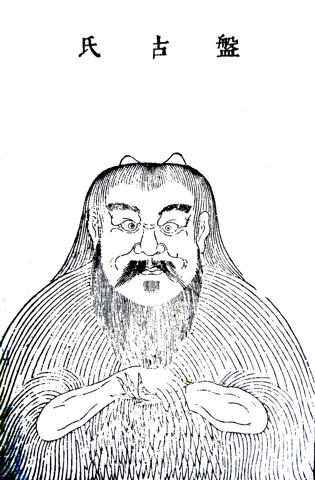
The primordial giant who split chaos into heaven and earth, and whose body at death became the mountains, rivers, winds, and stars of the world.
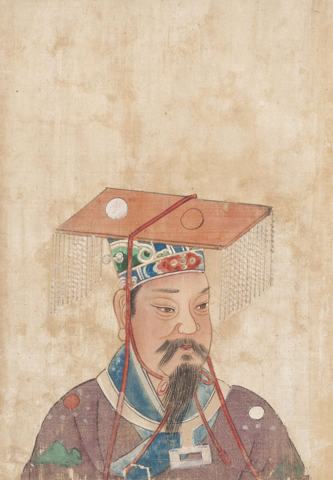
Legendary founder of Chinese civilization who defeated the horned rebel Chiyou at Zhuolu and gave his name to the medical canon that shaped Chinese medicine.
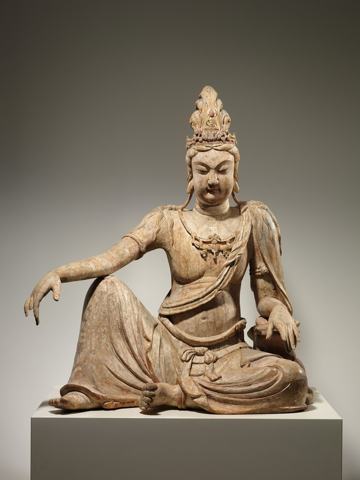
The bodhisattva who hears the cries of the world — an Indian Buddhist figure who became, in China, the most beloved of all female deities.
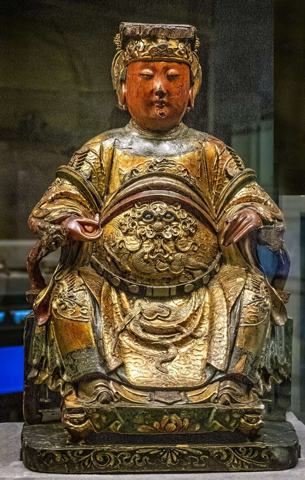
A Fujian fisherman's daughter who died young around 987 and rose, title by imperial title, to become Empress of Heaven and the sea goddess of the Chinese coast.
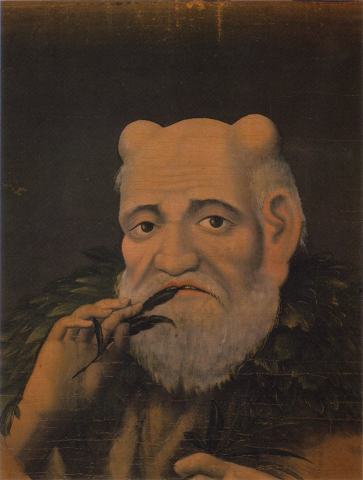
The horned sage who tasted a hundred herbs to found Chinese medicine, invented the plow, and reigns as second of the Three Sovereigns before the Yellow Emperor.
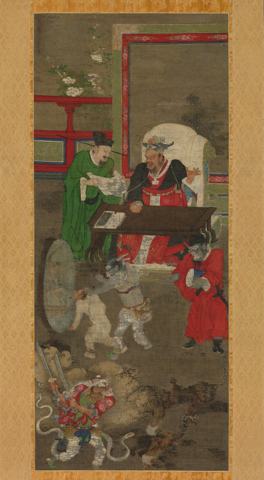
The magistrate-king of the Chinese underworld, who tries every soul against a written record and a mirror that shows what they actually did.
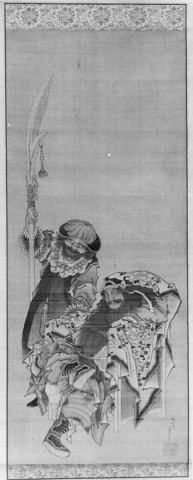
The Three Kingdoms general executed in 220 CE who rose, title by title, into a god of war, loyalty, and wealth worshipped across the Chinese-speaking world.
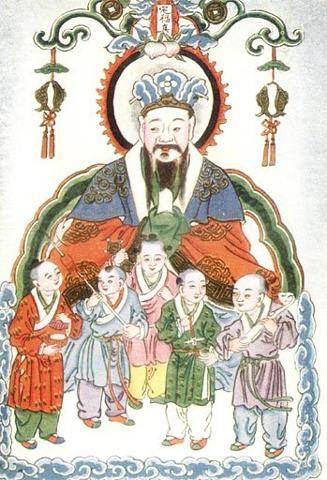
The household god who watches every family from above the stove all year, then ascends before New Year to report their conduct to the Jade Emperor.
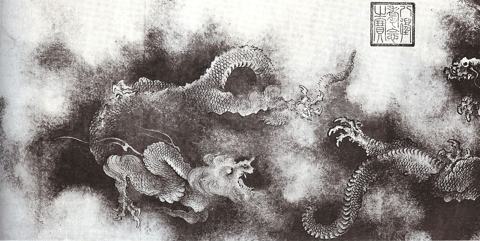
China's dragon — a benevolent, scaled power of rain, river, and sea, emblem of imperial authority and the only mythical beast in the zodiac.
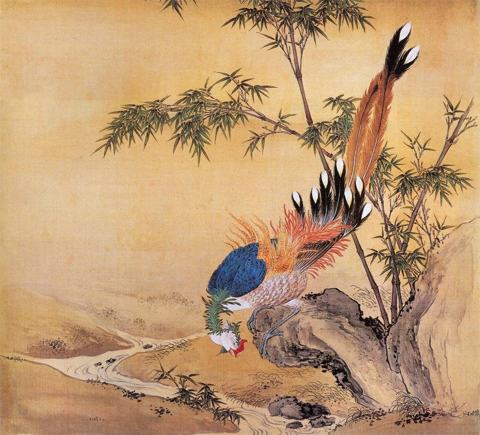
The radiant bird of Chinese myth — ruler of all birds, marked with the five virtues, whose rare appearance announces a just reign and an age of peace.
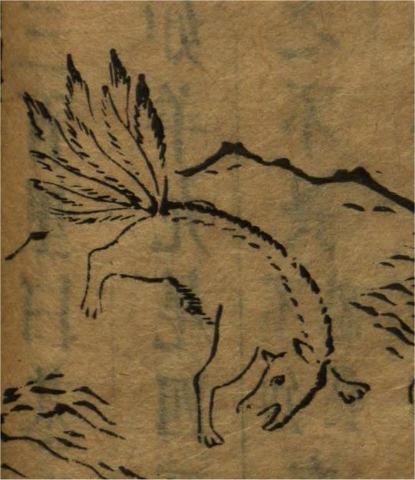
China's shapeshifting fox spirits, who gain power and human form through age — feared as seducers and omens of ruin, and the root of Japan's kitsune.
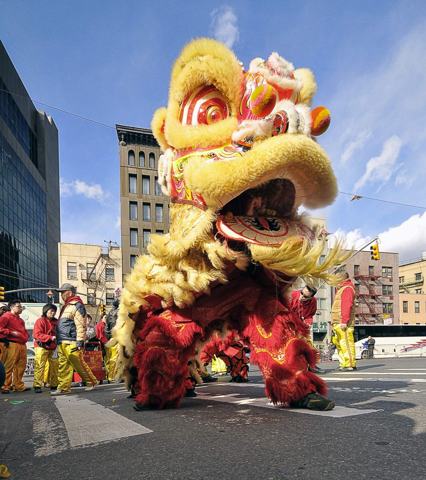
The horned beast said to terrorize villages once a year until scared off by firecrackers, fire, and red — a legend newer than the New Year customs it explains.
China's reanimated corpse — stiff-limbed, hopping, driven by a soul that failed to leave the body — a Qing folk terror turned horror-comedy icon.
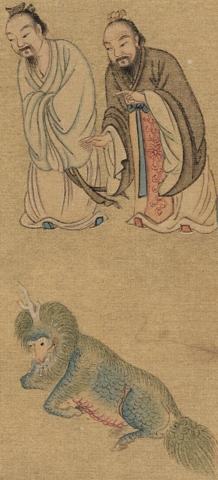
The gentle omen-beast of Chinese myth — scaled, horned, treading on no living thing. It appears when a sage rules, and its capture foretold Confucius' death.
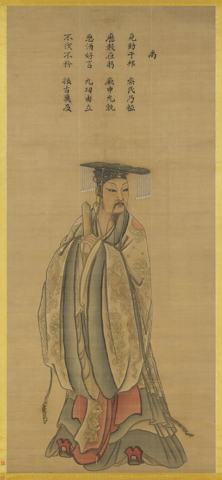
The hero who ended China's great flood by dredging channels instead of damming them, walked the Nine Provinces, and founded the Xia — if he existed at all.
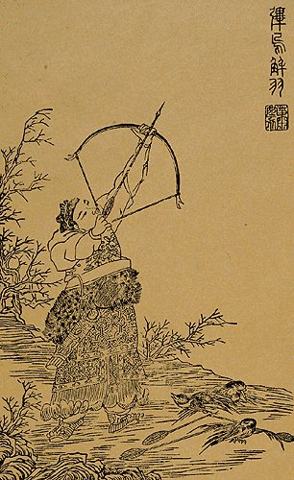
The archer who shot nine of the ten suns out of the sky, won the elixir of immortality, and lost it to his wife Chang'e.
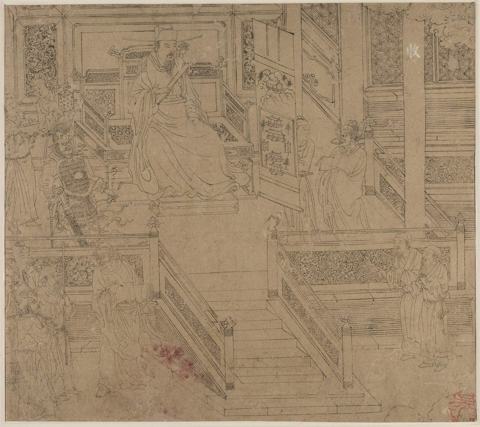
The Chinese underworld — a bureaucracy of ten courts where the dead are tried, serve sentences for what they did, and are then sent back into rebirth.
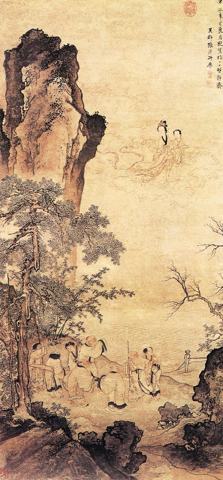
China's cosmic mountain in the far west — the Yellow Emperor's earthly capital, the Queen Mother's paradise, and, confusingly, a real Asian mountain range too.
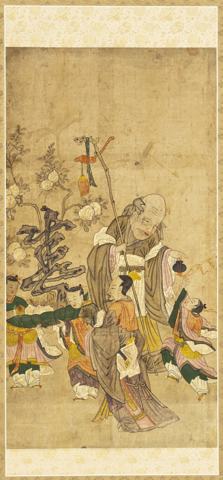
The fruit that ripens once every three thousand years in the Queen Mother's orchard — eaten by the wrong guest, it triggered heaven's most famous brawl.
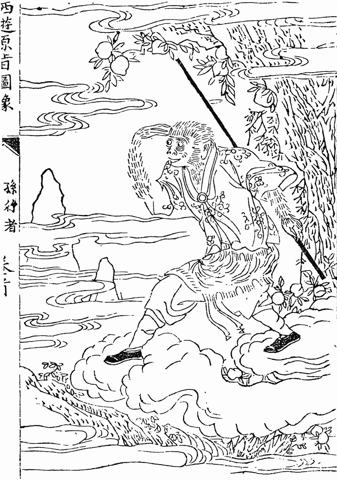
The 13,500-catty iron pillar that once measured the ocean floor — bullied out of a dragon king and shrunk to a needle behind Sun Wukong's ear.
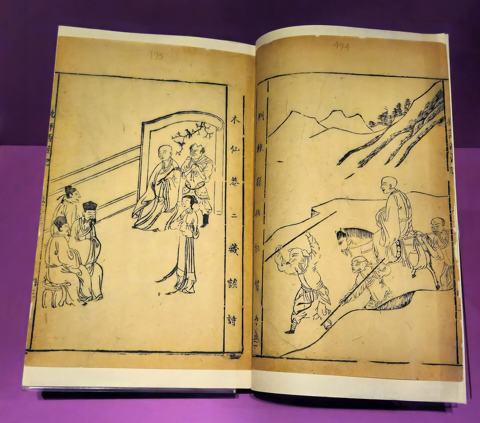
The Ming novel that sent a monk and three monster disciples across demon country for Buddhist scripture — and gave Sun Wukong to the world.
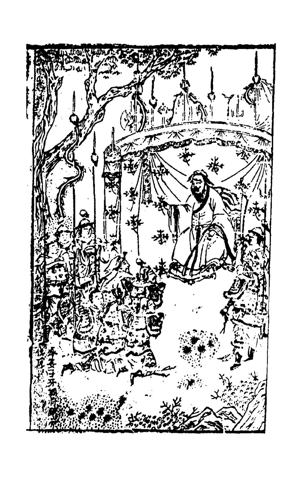
The Ming novel that restaged the fall of the Shang dynasty as heaven's founding war, promoting 365 of its dead into a brand-new celestial bureaucracy.
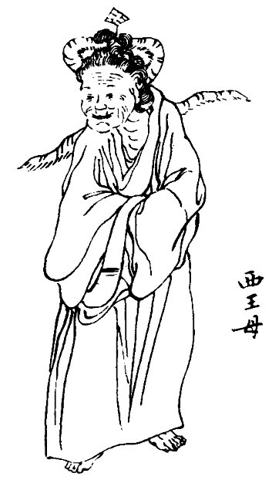
China's oldest surviving catalogue of mountains, monsters, and gods — a text nobody can name an author for, and half this Codex's bestiary depends on.

China's fifth-month river festival of racing dragon boats and rice dumplings — tied to the poet Qu Yuan's drowning, though the boats likely predate him.
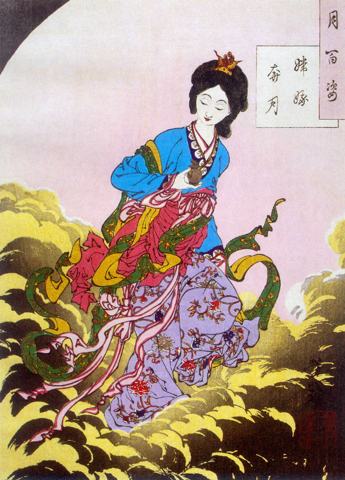
China's harvest-moon festival of family reunion, mooncakes, and lantern-lit nights under the fullest moon — inseparable from the goddess Chang'e.
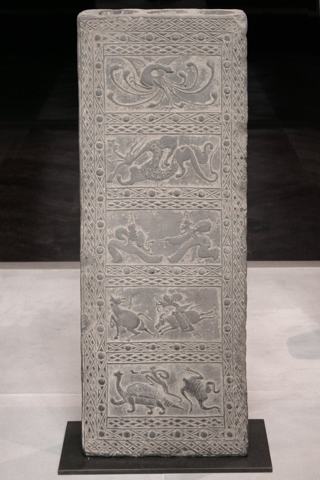
The four beasts of the Chinese sky — dragon, tiger, bird and tortoise-and-snake. A star map first, a mythology second, and both for over two thousand years.
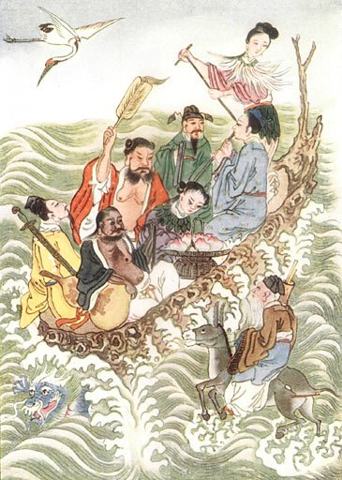
Eight Daoist immortals — a beggar, a drunk, a girl, a courtier, a flute player — who cross the sea by their own strange powers instead of by boat.