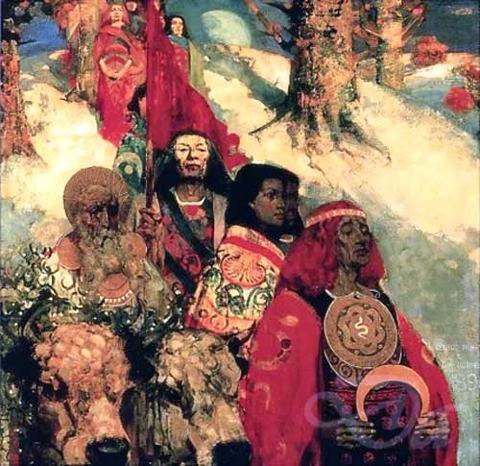
The Tuatha Dé Danann and the otherworldly beings of Irish and Welsh legend.
39 entries in 9 chapters
Master of every skill — the young god admitted to Tara because he alone could do all the crafts at once, and who killed his own grandfather Balor.
The good god — not morally good but good at everything: the club-bearing, cauldron-owning father figure of the Tuatha De Danann, and their crudest comedian.
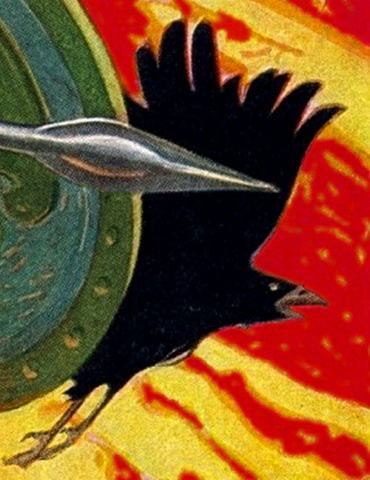
The great queen of war and fate — a shape-shifting Irish goddess who takes crow form above the battlefield and decides its outcome before it is fought.
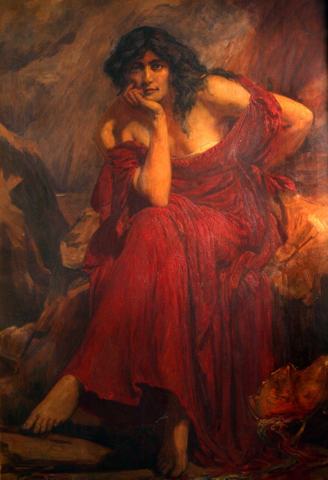
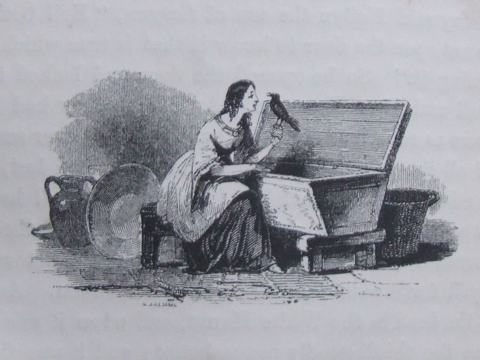
The Welsh enchantress who brewed a year-long potion of pure knowledge, chased the boy who stole it through a chain of animal shapes, and swallowed him whole.
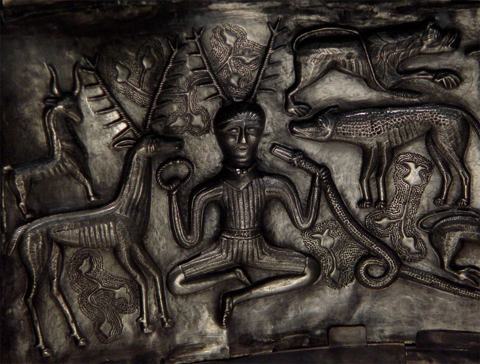
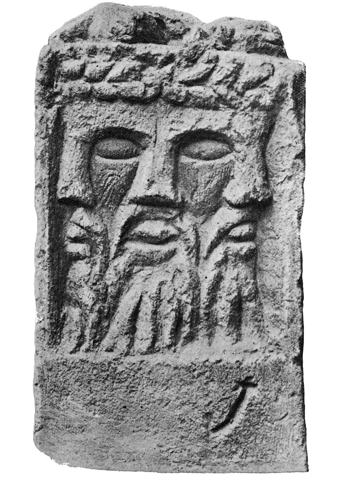
The horned one — an antlered Gaulish god known from images alone, whose name survives on exactly one damaged stone and who has no surviving myth at all.
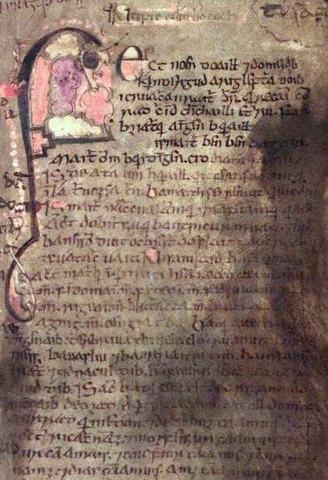
The mother goddess of the Tuatha De Danann — and the most famous Irish deity who may never have existed under that name.
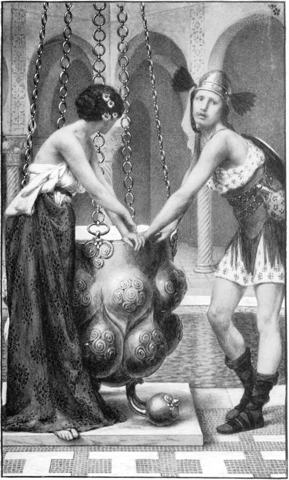
The horsewoman of the Mabinogi, wrongly accused of killing her son and forced to carry visitors on her back — probably, but not provably, a faded horse goddess.
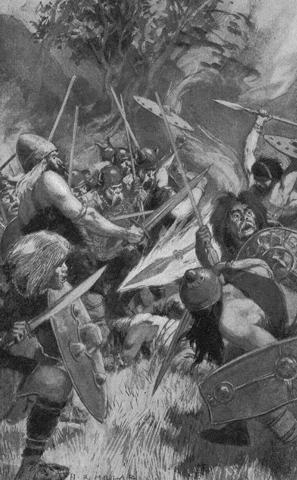
Ireland's race of gods — arriving with four treasures from four lost cities, winning Ireland twice, then losing it once and withdrawing into the mounds.
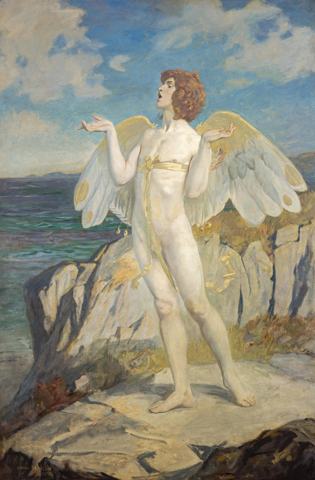
The young god of Brú na Bóinne — conceived in a stolen day, owner of a house won by a pun, and the lover who followed a dream into a lake of swans.
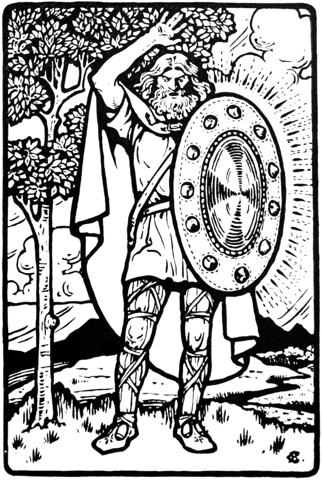
The Irish sea god — ferryman between worlds, master of illusion and the mist of invisibility, and the presiding figure of the Otherworld voyages.
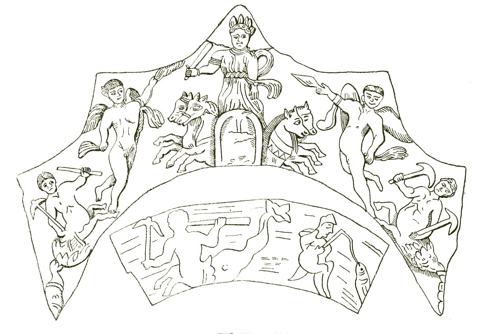
Ireland's disqualified king — the Tuatha De Danann's first ruler, who loses an arm, loses the throne, and wins both back with a physician's graft.
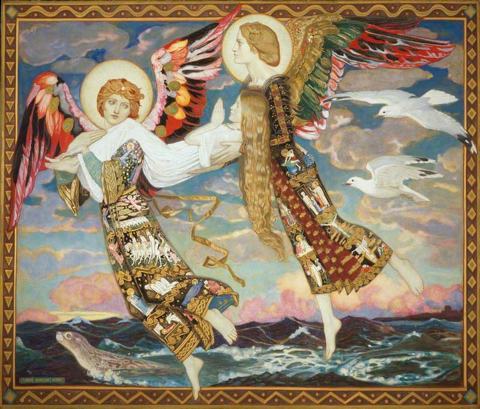
Goddess of poetry, smithcraft and healing — a triple Brigit in the glossaries, a saint at Kildare, and the figure Imbolc still belongs to.
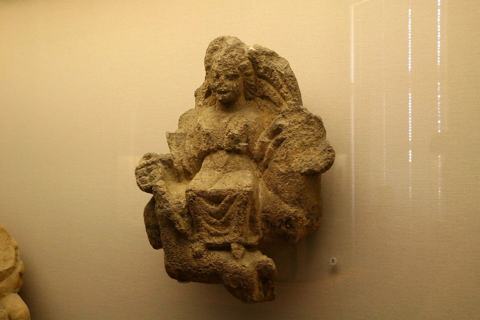
The Gaulish horse goddess whose cult rode with Rome's cavalry — the only Celtic deity ever given a day on the Roman religious calendar.
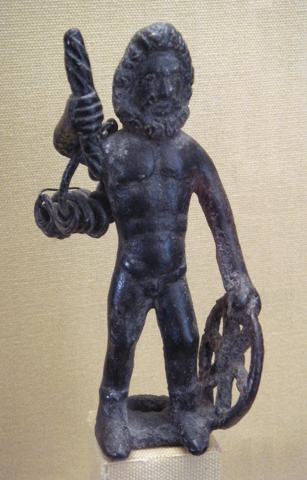
The Gaulish thunder god named by a Roman poet, sacrificed to by burning according to later scholiasts, and pictured with Jupiter's wheel.
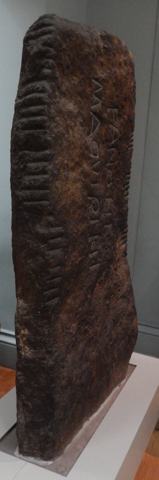
God of binding eloquence, credited by medieval tradition — probably wrongly — with inventing Ireland's oldest writing system, ogham.
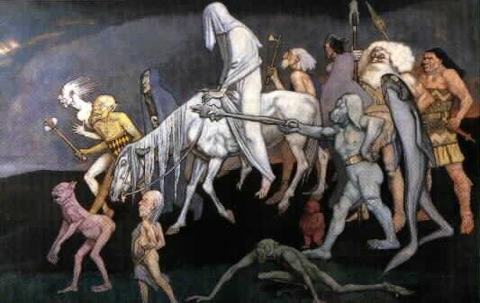
Ireland's monstrous sea-people — raiders, tribute-takers and kin to the gods they fight, led by Balor of the destroying eye.
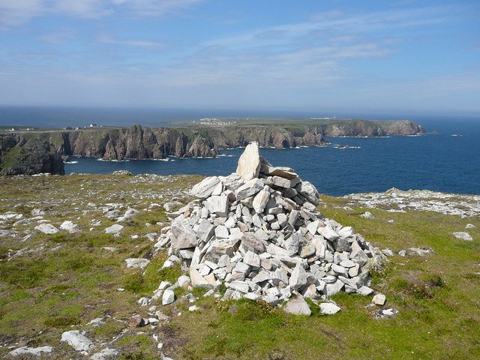
The Fomorian king whose single destroying eye must be lifted open by four men — and who dies exactly as prophesied, by his own grandson's hand.
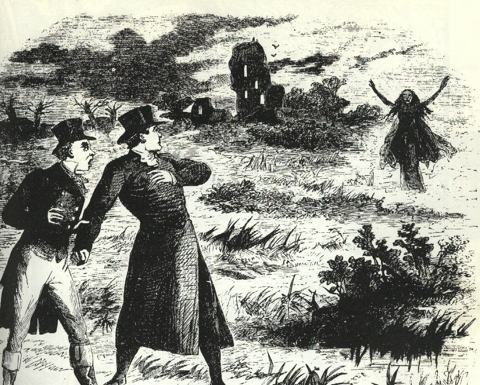
Herald of death — the "woman of the mound," heard rather than seen, whose keening outside a house announces that someone of the family is about to die.
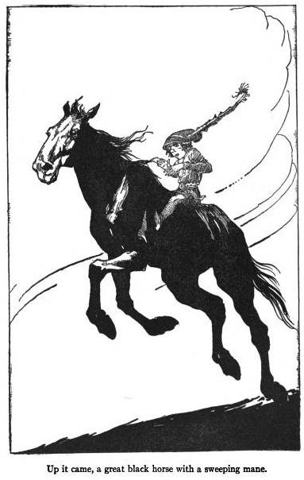
An Irish shapeshifting spirit, usually a wild black horse, who claims a share of the harvest at Samhain and is helpful or frightening depending on the teller.
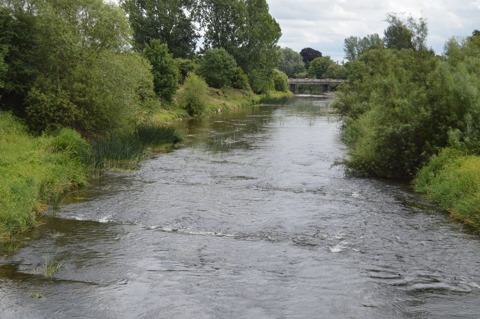
An ordinary salmon that eats hazelnuts of wisdom from an otherworldly well and passes all knowledge on by accident, to the boy Fionn mac Cumhaill.
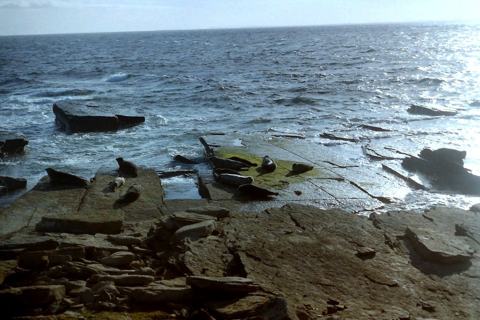
The seal-people of Orkney, Shetland, and the Scottish and Irish coasts, who shed their skins to walk on land — and must find them again to go home.
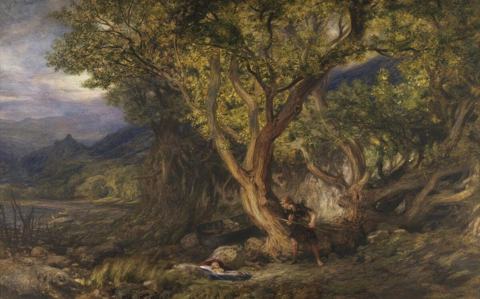
A real sixth-century court poet and a shapeshifting legendary bard reborn from a cauldron share one name, and the tradition never fully separates them.
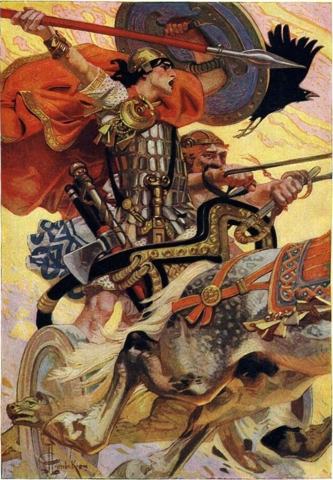
The Hound of Ulster — a boy-hero who holds an entire army at a ford, warps into a monster when he fights, and dies standing up, tied to a stone.
The giant king of Britain in the Mabinogi, too large for any house, who invaded Ireland to avenge his sister and whose severed head kept talking for decades.
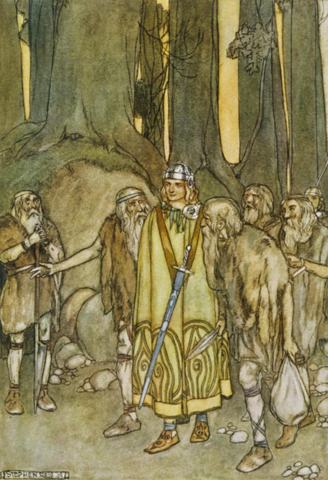
Warrior-poet, leader of the Fianna, and the hero who burned his thumb on the Salmon of Knowledge — Ireland's most widely told legend.
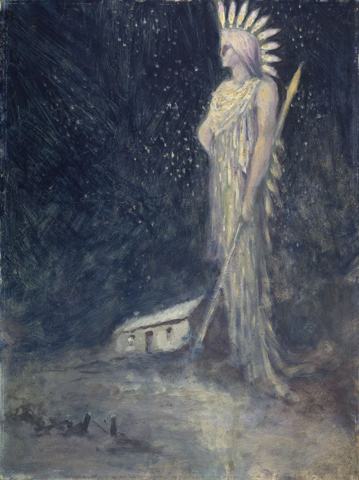
Not an afterlife but a parallel country — the sid mounds, the islands west of the sea, and the aos si who kept Ireland after they lost it.
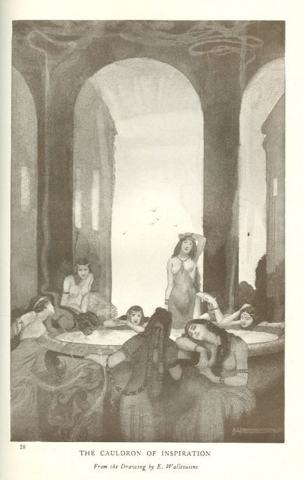
Wales's Otherworld — a rival kingdom ruled by Arawn, raided by Arthur for a magic cauldron, and only later flattened by Christian Welsh into a word for hell.
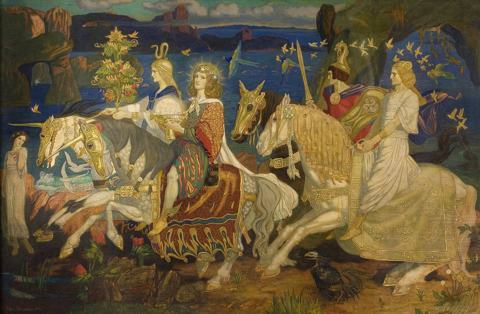
The land of the young — the Irish otherworld across the western sea where no one ages, and where a year away can cost a returning traveller three centuries.
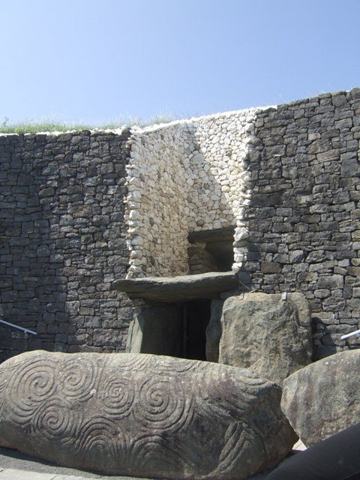
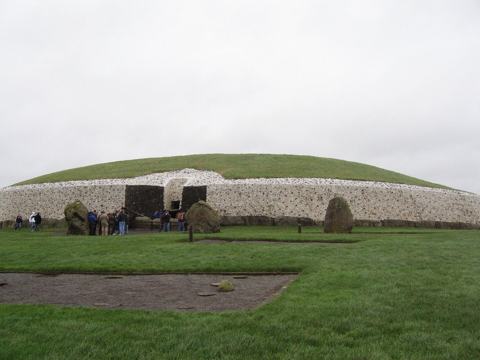
A 5,000-year-old passage tomb on the Boyne, built for the winter solstice centuries before the Celts arrived — later remembered as the Dagda's own hall.
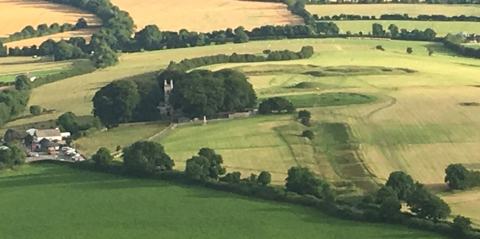
A low Meath hilltop layered with 5,000 years of earthworks, remembered as the seat of Ireland's High Kings — a title the archaeology alone cannot confirm.
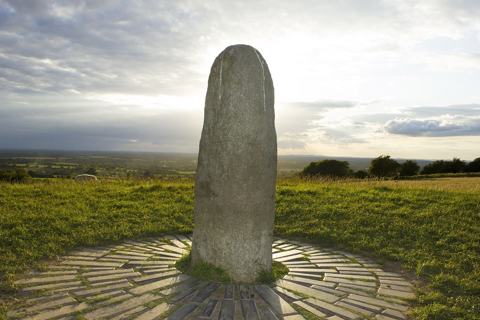
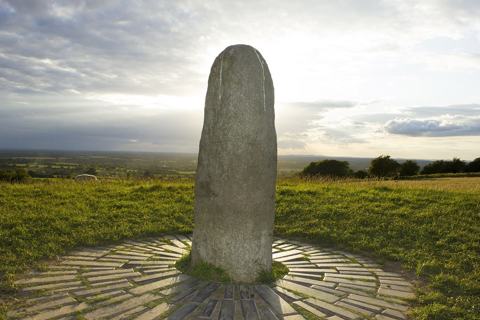
A standing stone on the Hill of Tara said to roar beneath Ireland's rightful king; the rival Scottish claim on it is a much later legend, not medieval fact.
Four wonder-objects the Tuatha De Danann brought to Ireland: a screaming stone, an unstoppable spear, an inescapable sword, and a cauldron that never runs dry.
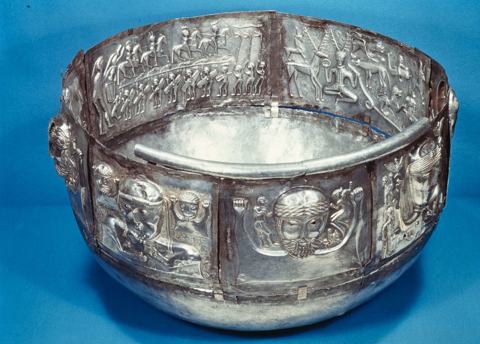
A lavishly decorated silver cauldron pulled from a Danish bog in 1891, made by Thracian silversmiths for Celtic patrons and covered in gods no text explains.
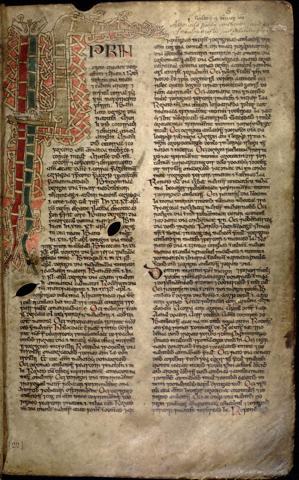
A medieval synthetic history of Ireland: six waves of settlers, the Tuatha De Danann, and the Gaelic Milesians, engineered to answer to the Bible.
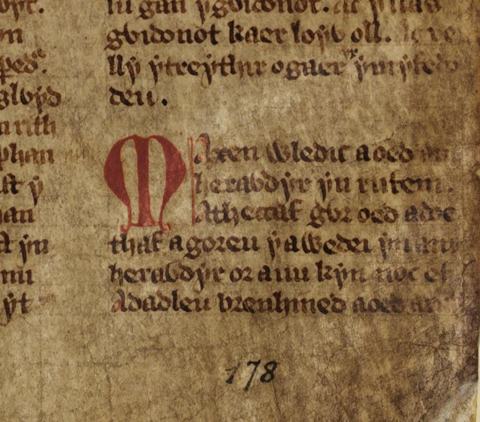
Eleven medieval Welsh tales — Four Branches, native stories, Arthurian romances — bundled under a title that scholars agree is a 19th-century mistake.
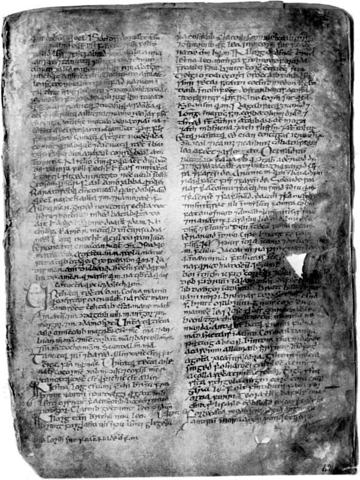
Ireland's longest medieval saga: Queen Medb invades Ulster for a bull, and Cu Chulainn holds the fords alone against her army.
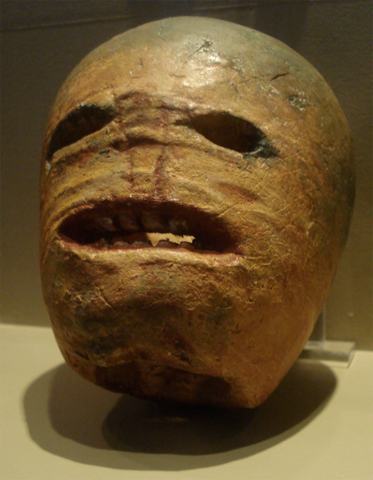
The Gaelic quarter day that opened winter and the Otherworld alike in medieval Irish literature — not, despite a popular myth, the name of a god of the dead.
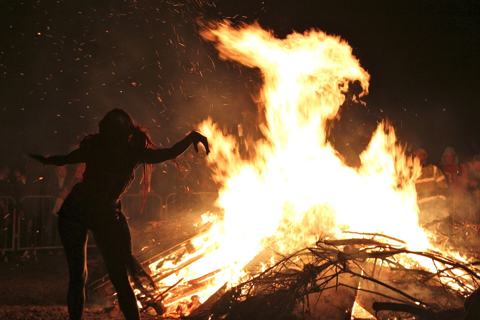
The Gaelic May Day quarter-day, first recorded in a 10th-century glossary as two fires driven between by cattle — not proof of a god named Bel.