The vast cosmology of the devas and their many avatars, from the Vedas and the great epics of India.
36 entries in 10 chapters
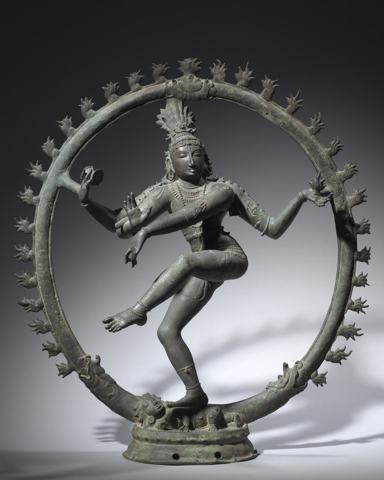
The destroyer and transformer — ascetic on the cremation ground, lord of the cosmic dance, and for millions of Shaivas the supreme reality itself.
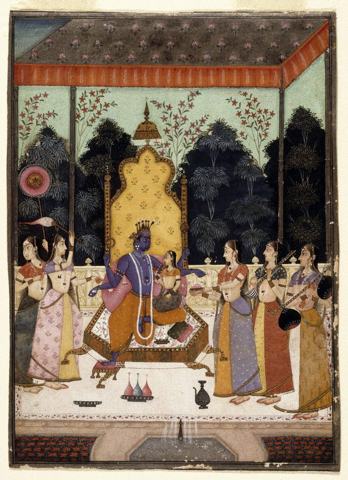
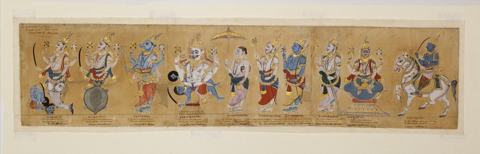
The preserver of cosmic order — the god who descends age after age, as Rama, as Krishna, and in other forms, to set dharma right when it fails.
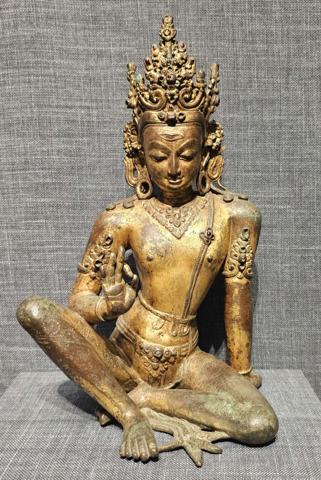
King of the gods and lord of storm and war — wielder of the thunderbolt, slayer of the serpent Vritra, and the deity Hinduism gradually demoted.
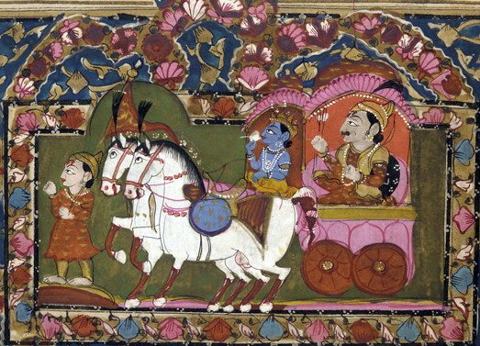
Cowherd, lover, statesman and charioteer — the avatar of Vishnu who speaks the Bhagavad Gita and anchors India's largest devotional tradition.
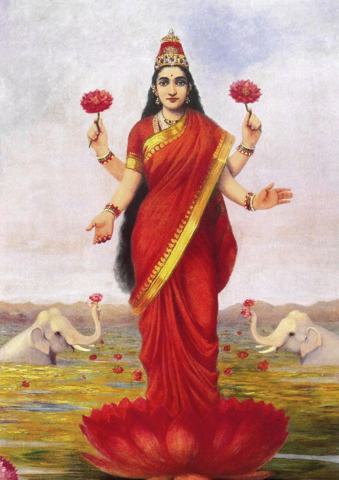
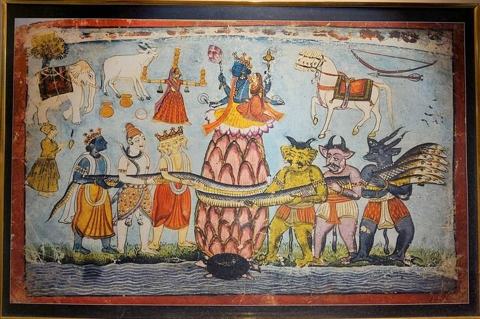
Goddess of wealth, beauty and good fortune, born from the churning of the ocean and inseparable consort of Vishnu.
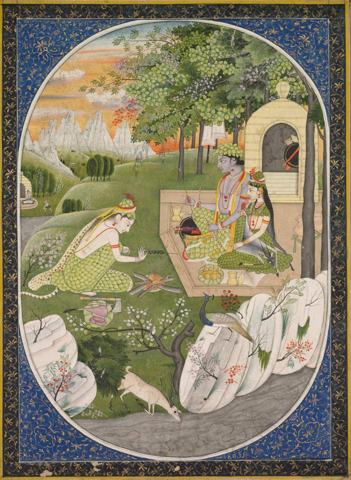
Prince of Ayodhya and seventh avatar of Vishnu — exiled hero of the Ramayana, slayer of Ravana, and the ideal of dharma.
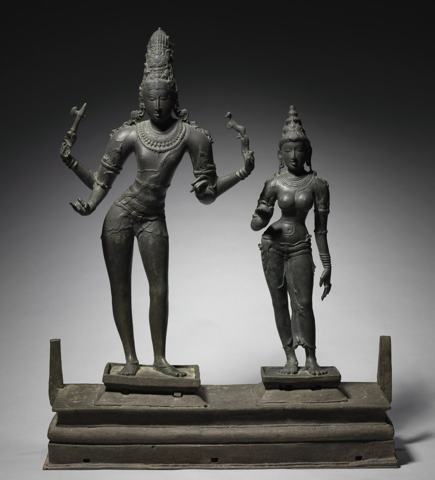
The Goddess who wins Shiva through fierce austerity, mother of Ganesha and Kartikeya, and one revealed face of the same Devi worshipped as Durga and Kali.
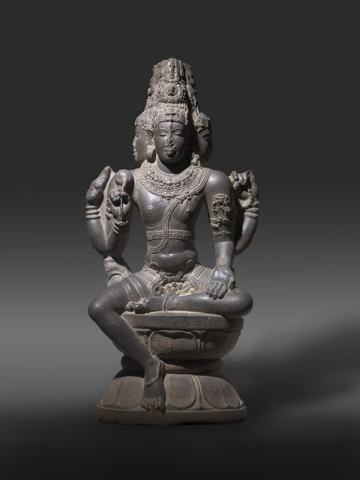
The four-faced creator from whom the worlds issue at the dawn of each cosmic day — immensely powerful in myth, and almost never worshipped in temples.
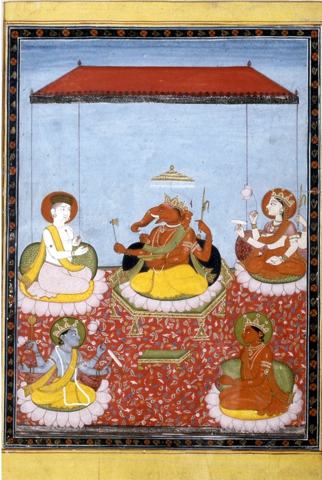
The elephant-headed son of Shiva and Parvati, lord of beginnings and remover (and placer) of obstacles, invoked before every undertaking.
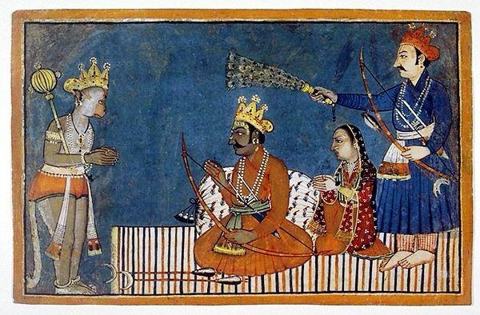
Son of the wind, greatest of the vanaras, and Rama's perfect servant — the leaper of oceans who became one of India's most worshipped gods.
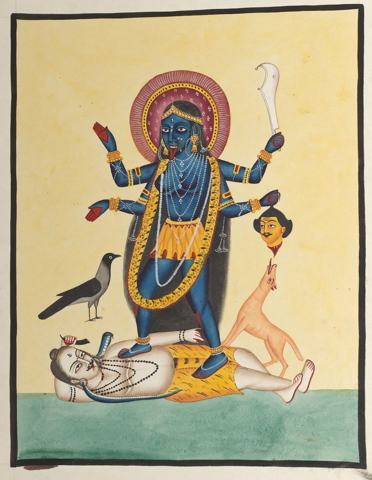
The black goddess of time and dissolution — annihilator of demons and of the ego, and to millions of Bengali devotees simply the Mother.
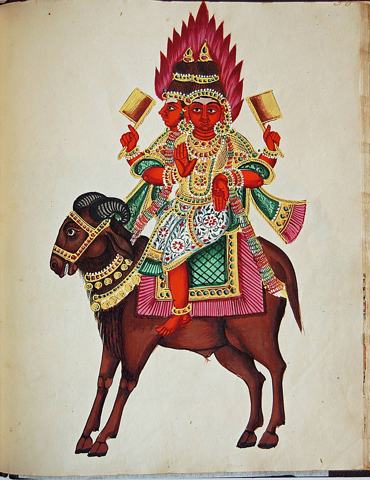
The fire god who opens the Rigveda — household priest among men and messenger among the gods, carrying every offering from the altar to the deities themselves.
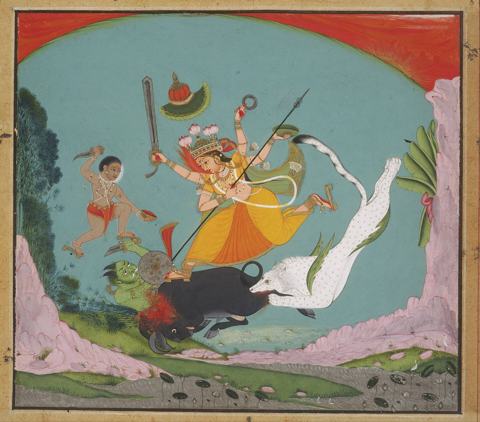
The warrior goddess assembled from the massed light of all the gods, lion-mounted slayer of the buffalo demon Mahishasura.
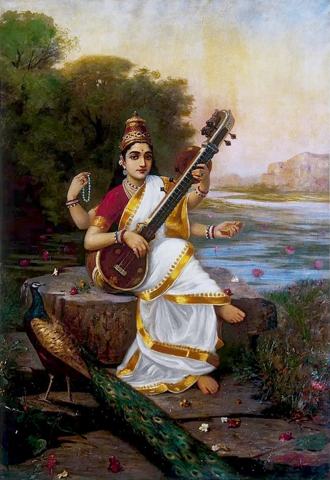
Goddess of speech, learning, music and the arts — a Vedic river who became the patron of every word written or sung.
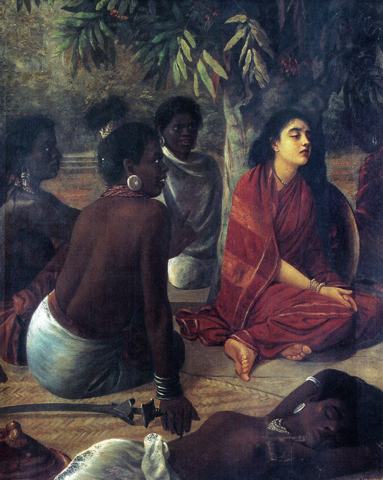
Wife of Rama and heroine of the Ramayana — found in a furrow, abducted by Ravana, tested by fire, and read differently across the tradition's many tellings.
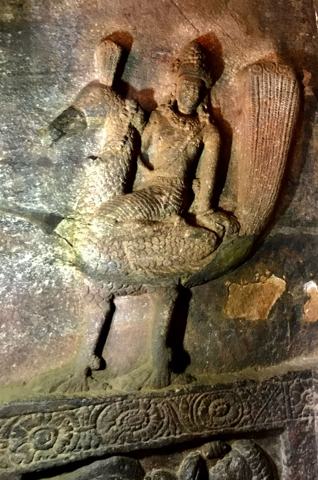
The six-headed god of war, spear in hand and peacock beneath him — Skanda to Sanskrit tradition, and Tamil Nadu's most fervently worshipped deity as Murugan.
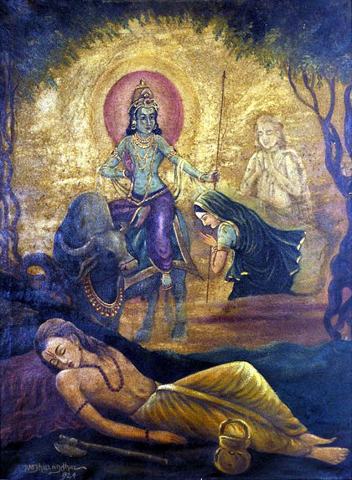
The Rigveda's first mortal to find the path of death, later Lord of the Dead — met by the boy Nachiketas in the Katha Upanishad and once outwitted by Savitri.
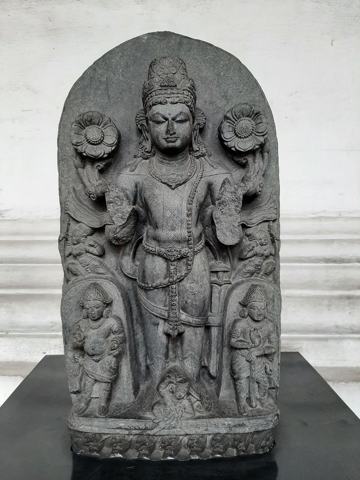
The Vedic sun god, drawn across the sky by seven horses — a deity whose foreign-looking boots and slow retreat from worship still puzzle scholars.
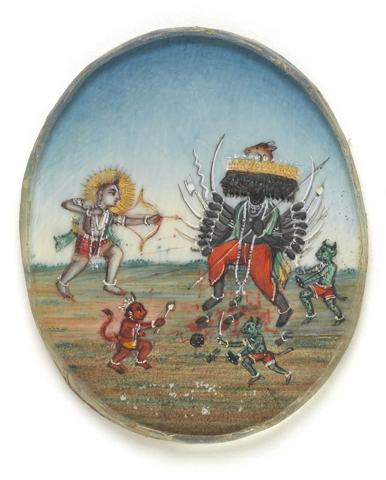
Lanka's rakshasa king, ten-headed abductor of Sita in the Ramayana and a devoted worshipper of Shiva — a villain regional traditions read very differently.
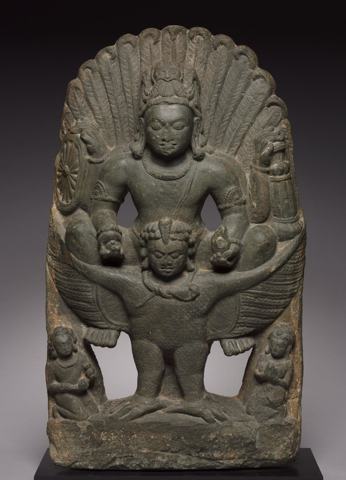
The golden sun-eagle who carries Vishnu — thief of the gods' nectar, liberator of his enslaved mother, and the eternal enemy of the serpents.
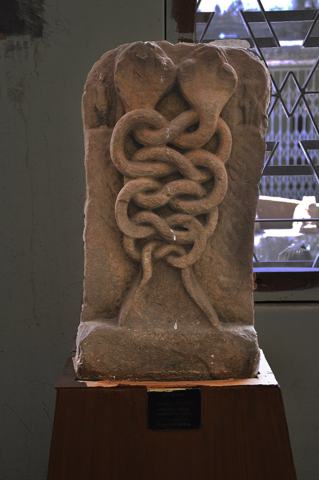
Semi-divine serpent beings of the waters and the underworld — hooded and jewel-crowned guardians of treasure, of rain, and of hidden knowledge.
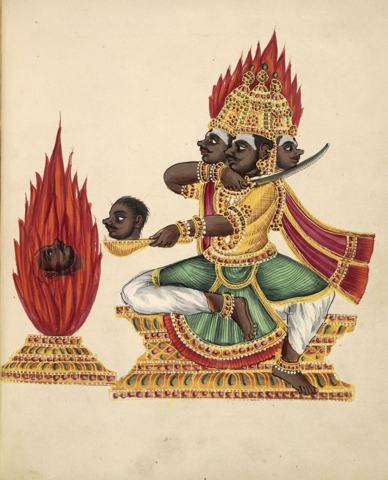
Hindu myth's shape-shifting night-demons, from Vedic sacrifice-wreckers to the villains of Lanka — a class capable of both monstrous cruelty and real nobility.
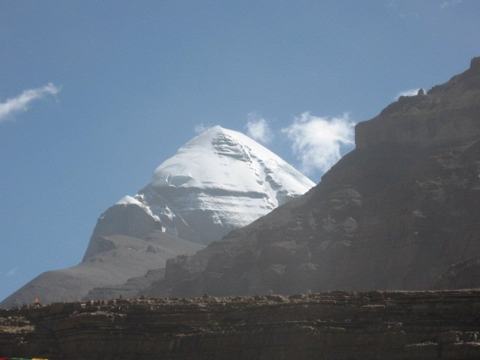
A remote, unclimbed Himalayan peak in western Tibet sacred to Hindus, Buddhists, Jains, and Bon — Shiva's meditation seat and the source of four great rivers.
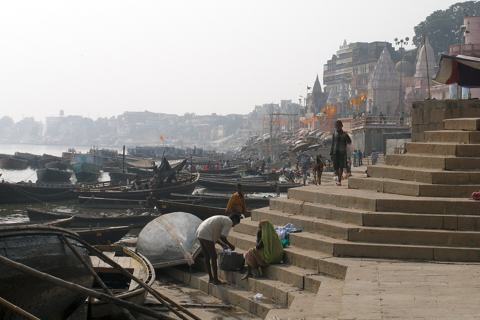
The Ganges-side city where dying is said to grant liberation outright — one of Shiva's twelve jyotirlingas and a living pilgrimage center for three millennia.
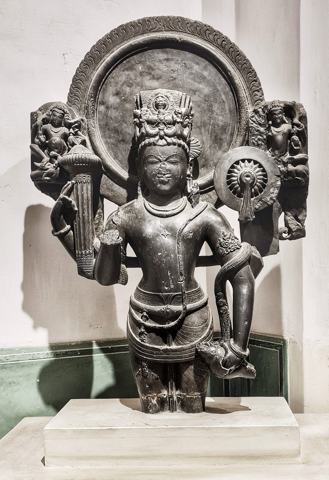
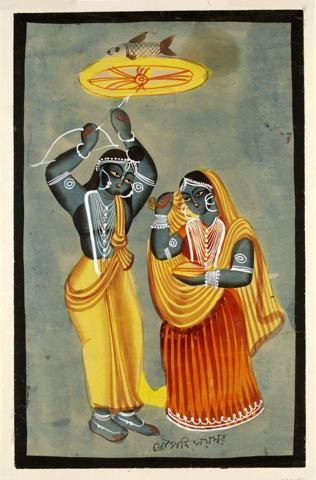
Vishnu's flaming, spinning discus — a weapon of last resort that beheads at a thought, and the emblem that marks him as the upholder of cosmic order.
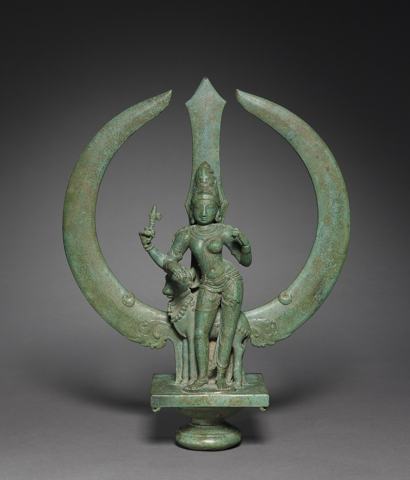
Shiva's three-pronged weapon — planted on temple roofs, carried by wandering ascetics, and read as a compressed statement of his whole theology.
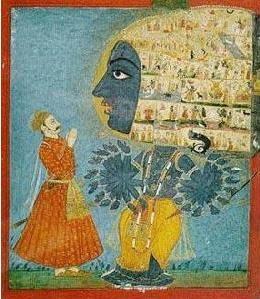
Eighteen chapters embedded in the Mahabharata where Krishna counsels Arjuna — read, translated and argued over more than any other Hindu text.
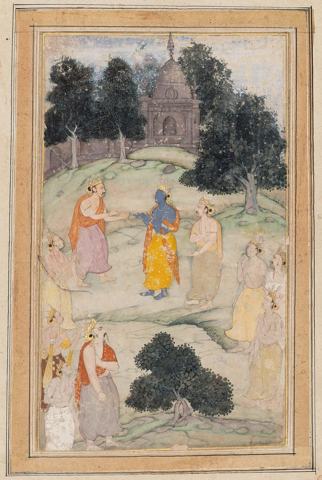
Roughly 100,000 verses attributed to the sage Vyasa — the frame for most of Hindu myth, including the Bhagavad Gita, and still the longest epic poem known.
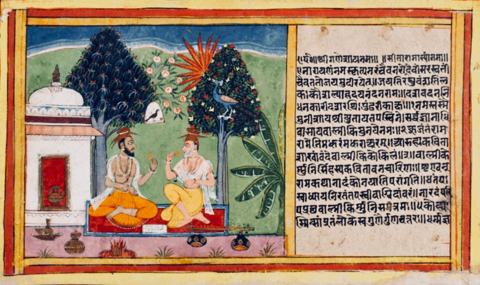
Valmiki's Sanskrit epic of Rama's exile and Sita's rescue — one telling among dozens across Asia, critically re-edited only in the twentieth century.
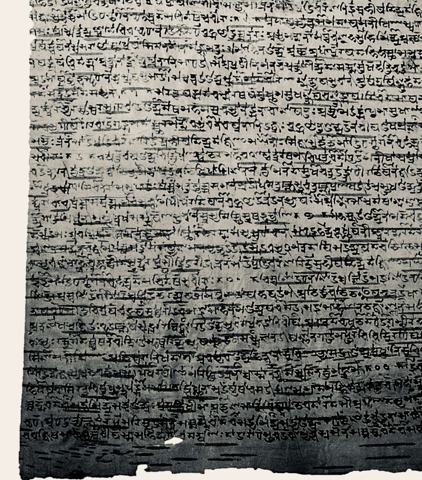
Ten books of hymns to Agni, Indra and Soma — the oldest surviving Sanskrit text, kept by memory alone for two millennia before it was ever written down.
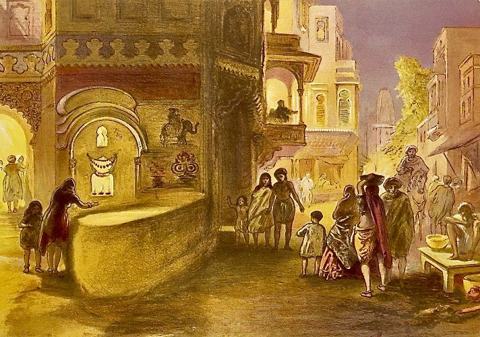
The festival of lights lit around the new moon of Kartika — explained across regions and faiths by at least four different founding stories.
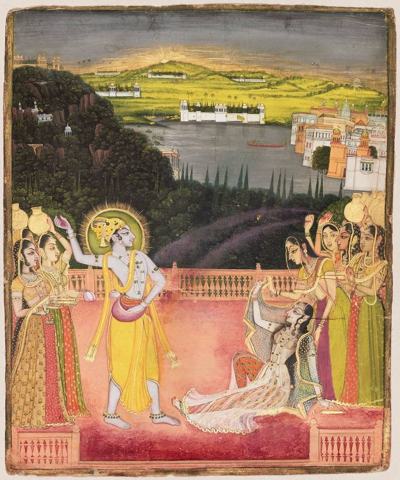
The spring festival of colour and bonfires — burning Holika's cruelty out of the year in the north, and Krishna's play with the gopis in Braj.