The oldest recorded gods of Sumer, Akkad, and Babylon, drawn from the Enuma Elish and the Epic of Gilgamesh.
34 entries in 9 chapters
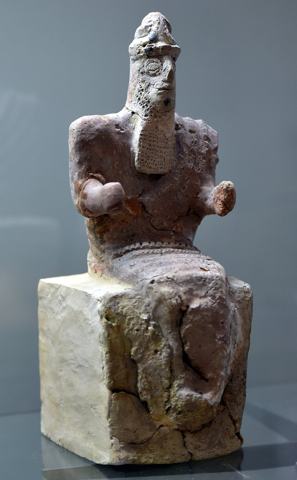
Lord of the moving air — the Sumerian executive of the gods, whose word carried out destinies, who split heaven from earth and sent the Flood.
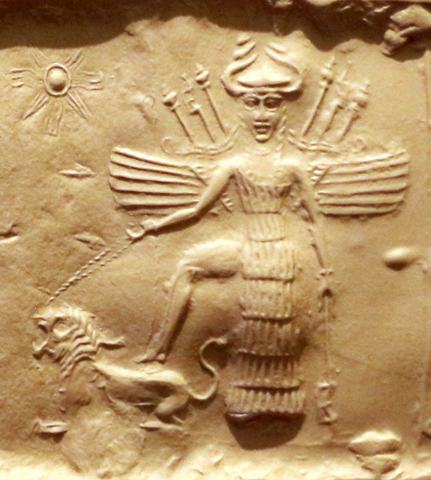
Queen of Heaven — Sumerian goddess of love, war, and the planet Venus, who walked into the land of the dead and was the only one to walk back out.
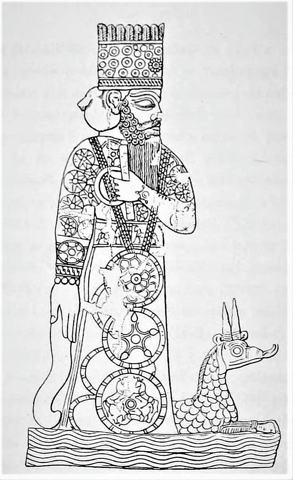
Champion of the gods — Babylon's patron, who killed the sea-dragon Tiamat, built heaven and earth out of her body, and was crowned king over all the gods.
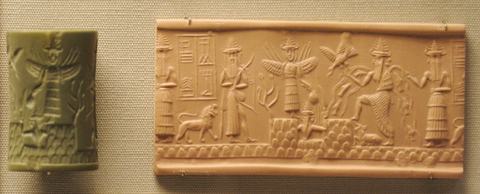
God of wisdom and the sweet water under the ground — the craftsman-trickster who made humankind, taught the crafts, and warned one man about the Flood.
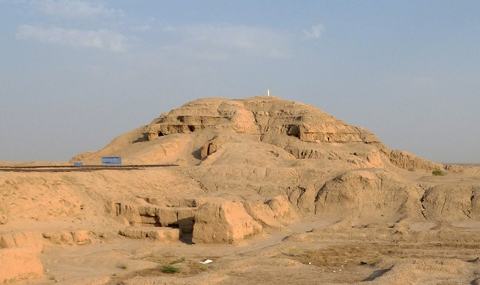
Father of the gods — the Mesopotamian sky, whose written sign meant "god" itself; the source of all authority, and almost never the one who uses it.
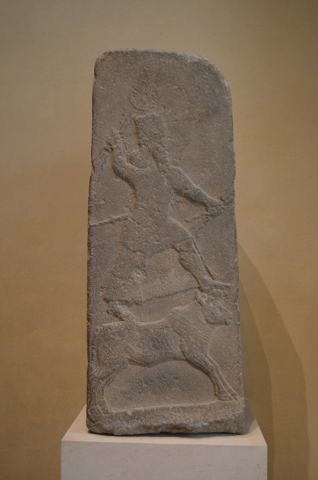
The Mesopotamian storm god who could drown the land in flood or bless it with rain, worshipped as Ishkur in Sumer and Adad across Babylonia and Assyria.
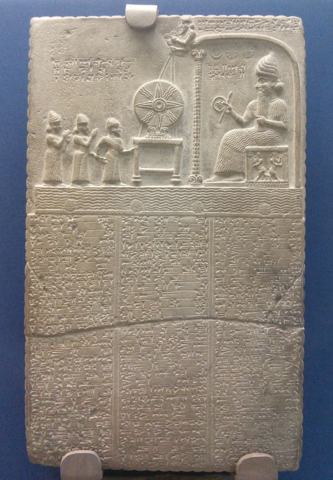
Sumerian Utu, Akkadian Shamash — the sun god who sees everything, judge of heaven and earth, patron of law, oaths, travellers and the diviner's art.
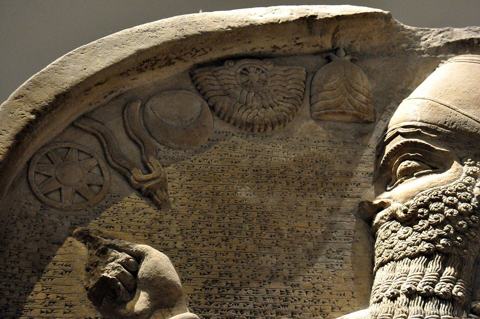
Son and champion of Enlil, who slew the demon Asag and the bird Anzu, and whose plow shaped the rivers and fields of Mesopotamia.
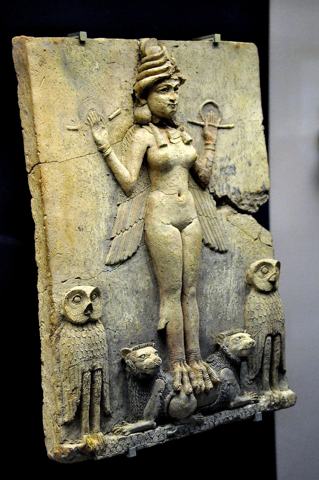
Lady of the Great Earth — the Mesopotamian queen of the dead, elder sister of Inanna, who rules the land of no return by rules even the gods obey.
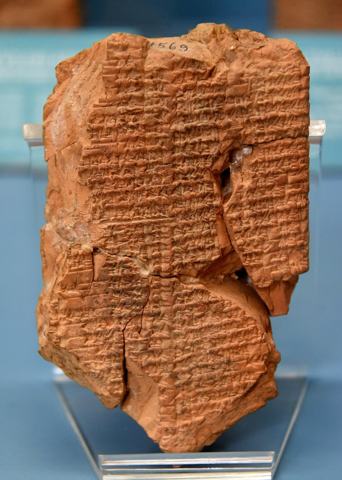
Inanna's shepherd husband, handed to the underworld in her place and mourned every summer across three thousand years of Near Eastern religion.
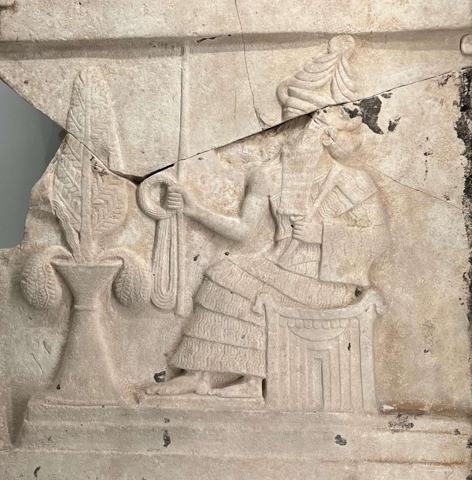
The Mesopotamian moon god of Ur's great ziggurat, father of the sun and Venus in most tellings, served by history's first named author, Enheduanna.
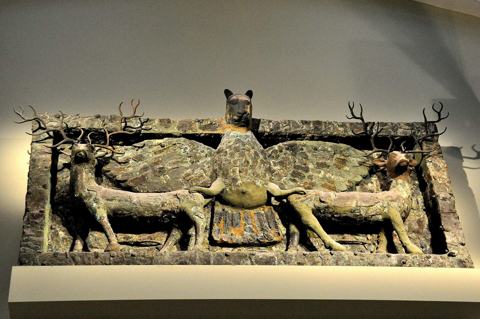
Sumer's mother goddess, who shapes the first humans from clay, births the gods of Dilmun, and heals the god she once cursed.
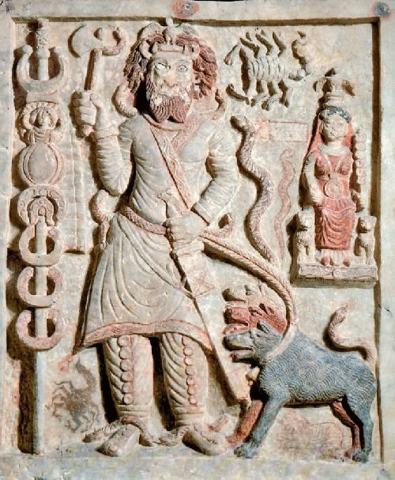
Mesopotamian god of plague, war and the scorching sun — the violent power of inflicted death, who talked his way into the underworld and stayed as its king.
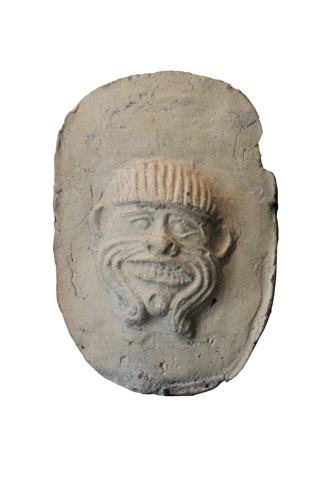
Guardian of the Cedar Forest, killed by Gilgamesh and Enkidu -- and, since a 2015 tablet turned up, a monster who kept court to a chorus of monkeys.
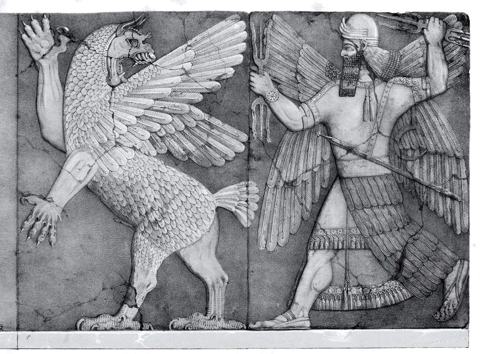
The primordial salt sea — the first mother of the gods, who turned on her children and whose split body became the sky and the earth above us.
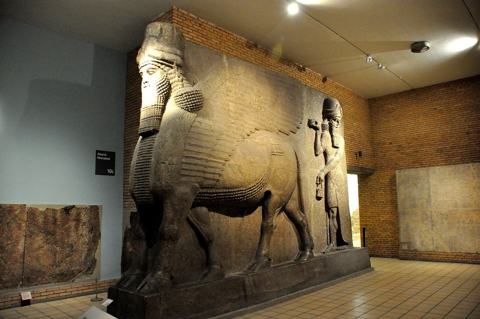
The human-headed winged bull that guarded Assyrian palace gates, sculpted with five legs so it reads correctly as both standing and walking.
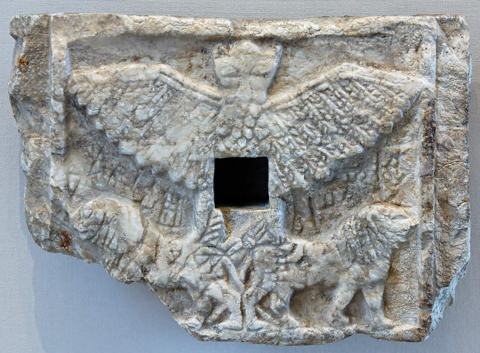
The monstrous lion-headed eagle who stole the Tablet of Destinies from Enlil's sanctuary and was hunted down by the god Ninurta.
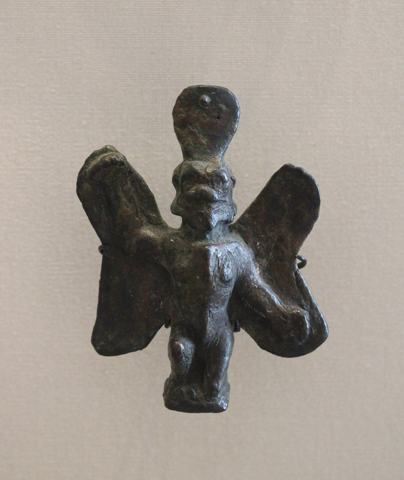
King of the lilu wind demons, invoked as a monstrous protector against the worse demon Lamashtu -- and, since 1973, the face of The Exorcist.
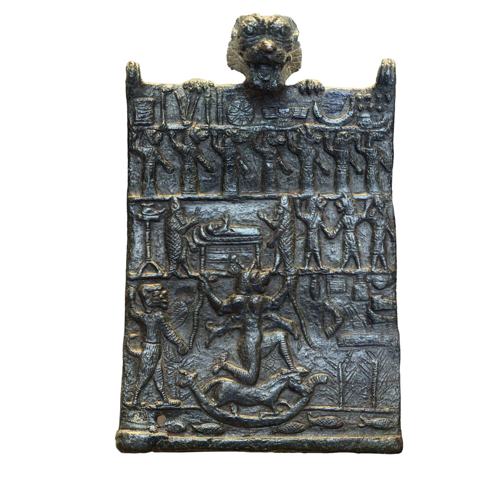
Daughter of Anu who preyed on pregnant women and infants, driven off by incantations, amulets, and the monstrous protection of Pazuzu.
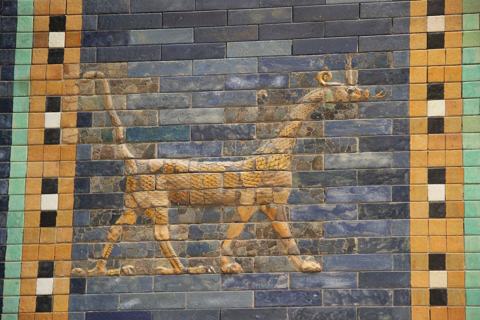
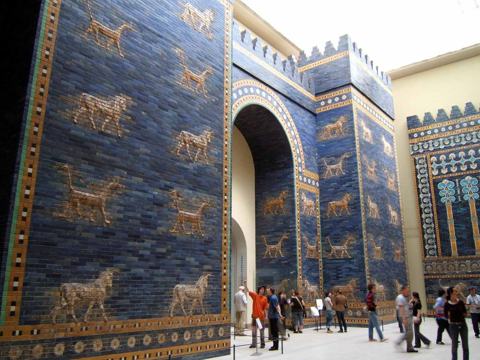
The scaled, horned dragon that once fought for Tiamat, was defeated by Marduk, and ended up as his tame guardian on the glazed brick of Babylon's Ishtar Gate.
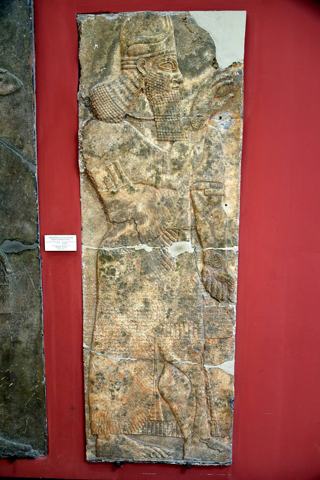
Mesopotamia's seven antediluvian sages, half-fish or bird-headed, who brought civilization from the sea and were later buried as protective figurines.
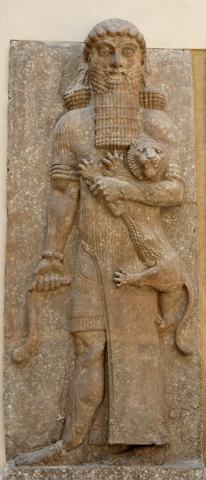
King of Uruk, two-thirds god and one-third man — the hero of the world's oldest surviving epic, who went to the ends of the earth to escape death.
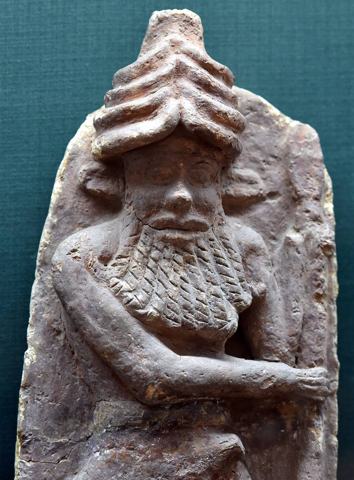
The wild man tamed by Shamhat and bound to Gilgamesh by friendship -- until the gods condemned him to die for the Cedar Forest and the Bull of Heaven.
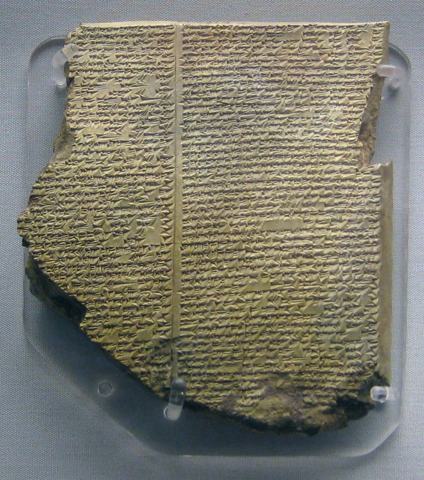
The Babylonian flood survivor who built the boat, released the birds, and was given eternal life — the one man Gilgamesh crossed the world to question.
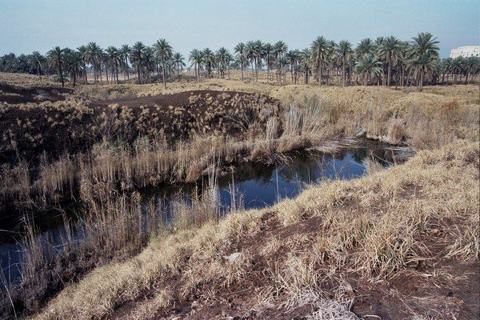
Babylon's great stepped temple tower to Marduk, rebuilt by Nebuchadnezzar II, ruined to a flooded pit, and read for centuries as the Tower of Babel.
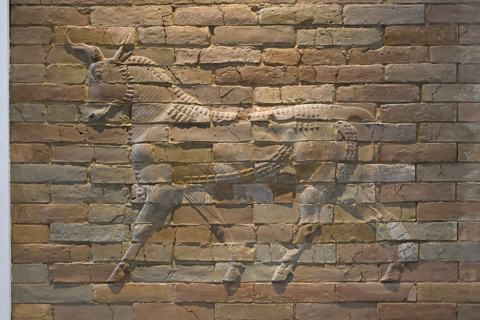
Nebuchadnezzar II's glazed-brick gate to Ishtar, dug out of a Babylonian ruin mound and rebuilt whole in Berlin's Pergamon Museum.
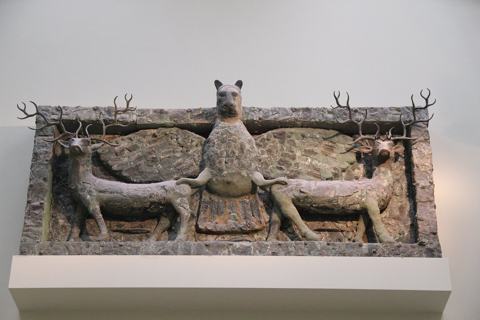
The cuneiform tablet that fixes the fates of gods and things — fought over by Marduk and Tiamat, stolen by the bird-demon Anzu, always worth a war.
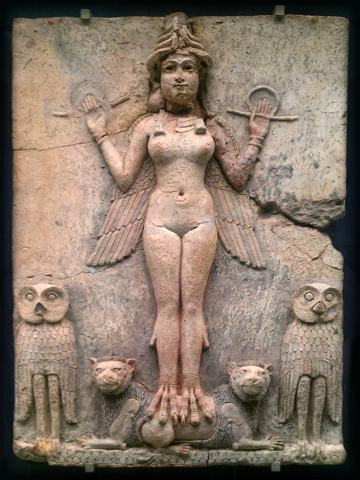
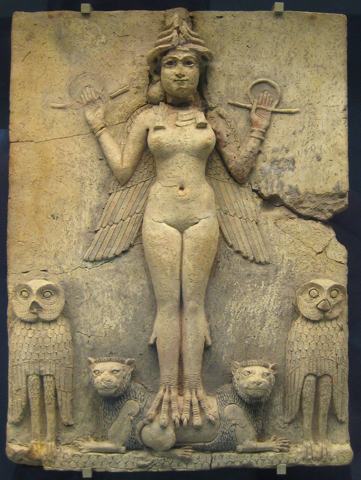
An Old Babylonian terracotta plaque of a winged, lion-footed goddess whose identity, Ishtar, Ereshkigal, or a demon, is still argued over.
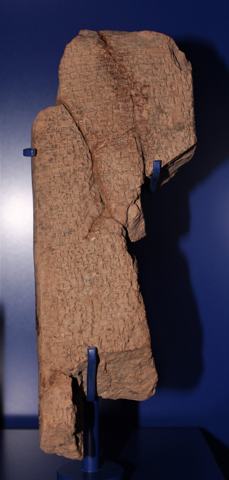
The Babylonian creation epic — seven tablets recited each New Year, telling how Marduk defeated Tiamat and became king of the gods.
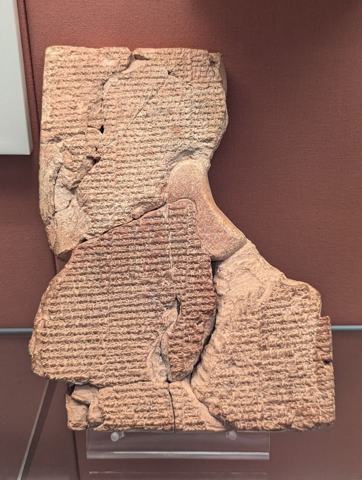
The Old Babylonian flood epic — the fullest account of why the gods nearly drowned humanity, and the source behind Gilgamesh's own flood story.
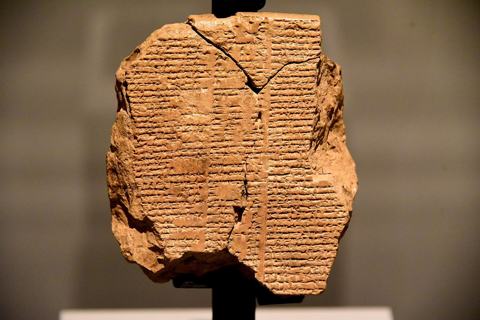
The world's oldest surviving epic — five Sumerian poems welded into an Akkadian masterpiece, lost for two thousand years until an 1872 tablet made headlines.