The gods of the Nile and the long journey through the afterlife, from the Pyramid Texts to the Book of the Dead.
33 entries in 9 chapters
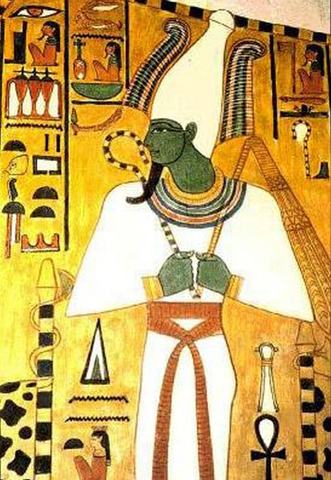
Lord of the afterlife — the murdered king remade as the first mummy, whose resurrection promised every Egyptian a life beyond the grave.
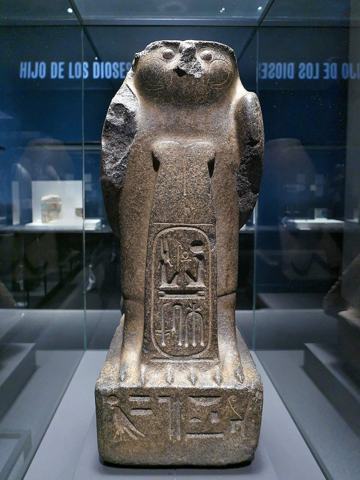
The sun itself as a god — Ra sails the sky by day, fights the serpent of chaos by night, and is reborn on the horizon every dawn.
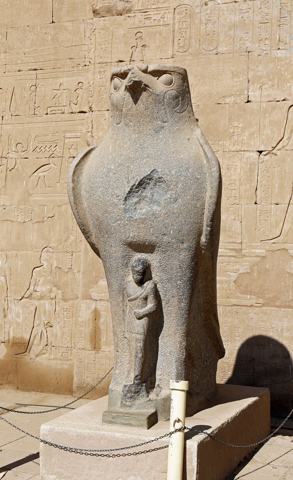
The sky falcon — god of kingship whose torn-out eye became the symbol of healing, and who won Egypt's throne from Set after eighty years of litigation.
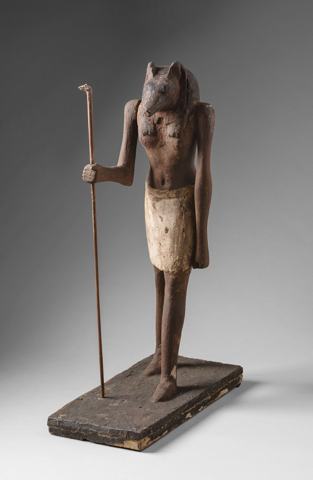
God of chaos — the red god of storm and desert who murdered Osiris, yet stood in the sun's boat each night to spear the serpent of nonexistence.
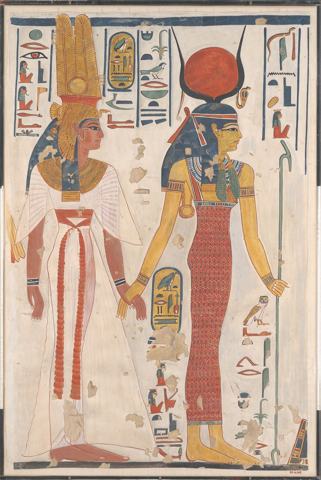
Goddess of magic — the widow whose spells restored Osiris, the mother who hid Horus in the marshes, and the one Egyptian deity Rome adopted whole.
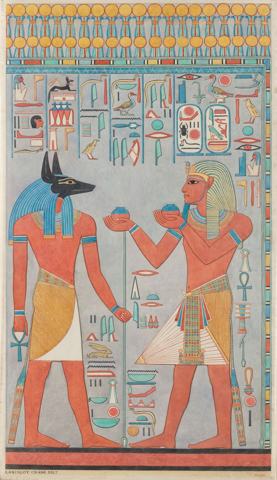
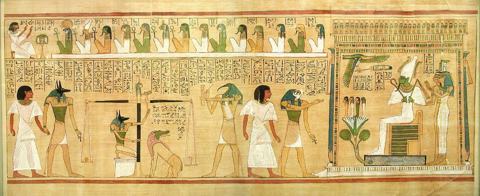
Guardian of the dead — the black jackal god who embalmed Osiris, watched over the necropolis, and weighed the heart against the feather of truth.
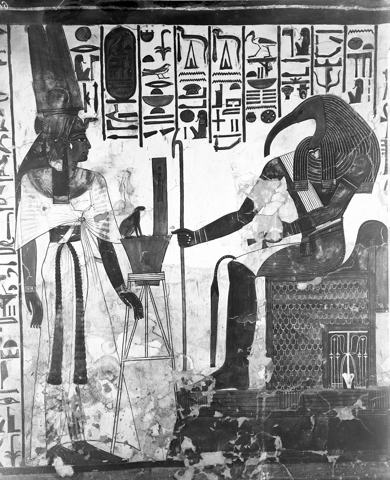
Ibis-headed lord of writing, reckoning and the moon — Thoth keeps the record at the judgment of the dead and settles the quarrels of the gods.
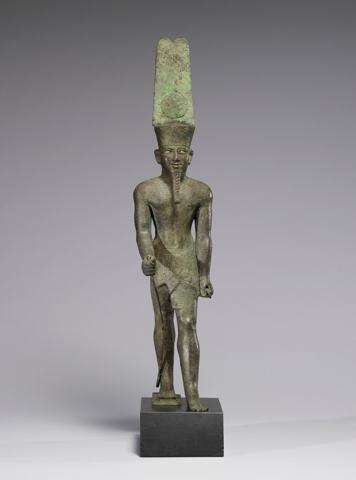
The imperial god of the New Kingdom — a once-minor Theban god whose name means "hidden," fused with Ra until Akhenaten tried to erase him from Egypt.
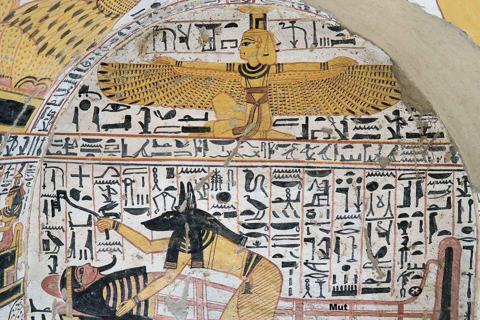
Isis's quieter sister — the mourner who helped restore Osiris, was seduced or seducer in Anubis's birth, and stood at the head of every Egyptian coffin.
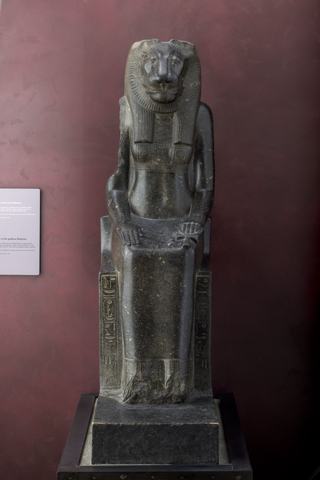
The lion-headed Eye of Ra — Sekhmet is slaughter, fever and desert heat, and the same power that heals when the gods can persuade her to stop.
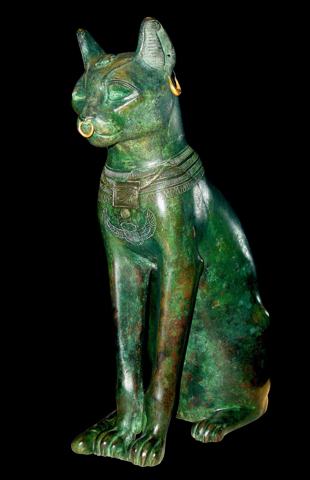
Egypt's cat goddess — a lioness of the Eye of Ra who softened into the guardian of the home, honoured at Bubastis with the loudest festival in Egypt.
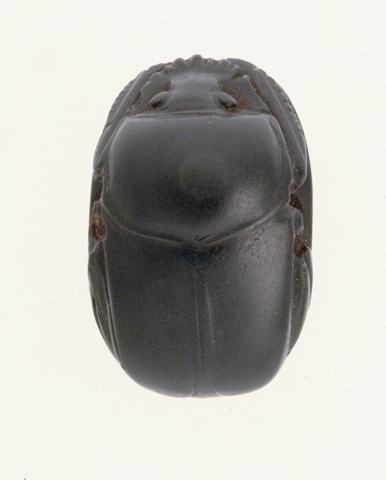
The self-created scarab god who pushes the morning sun into the sky, and whose beetle form became ancient Egypt's most common amulet of rebirth.
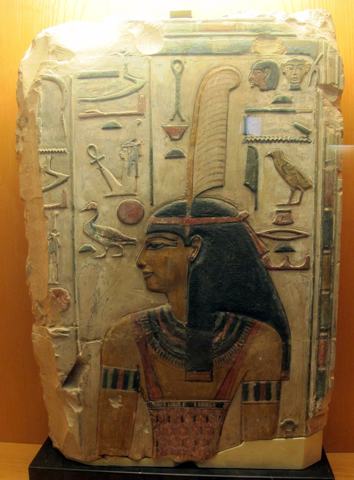
Truth and cosmic order personified — the goddess whose feather weighed every dead Egyptian's heart, and the standard every king swore to uphold.
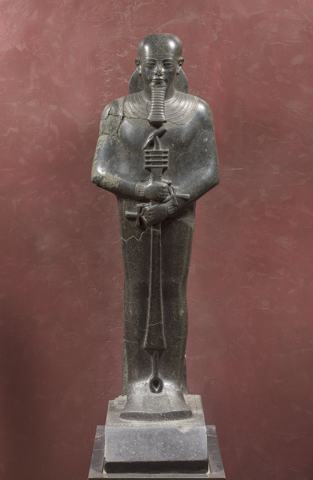
The creator who made the world by thinking it and speaking it — Ptah of Memphis, patron of sculptors and architects, and lord of the Apis bull.
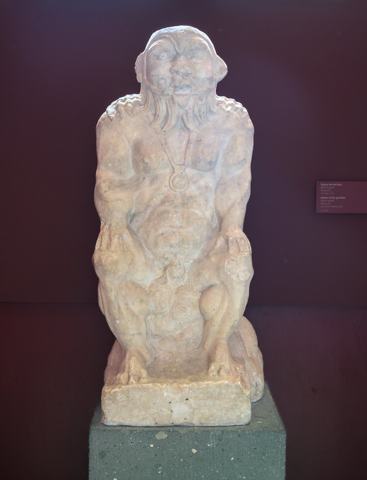
The grinning dwarf god who guarded bedrooms rather than temples — a fierce, funny protector of mothers and infants, armed with noise and a terrifying face.
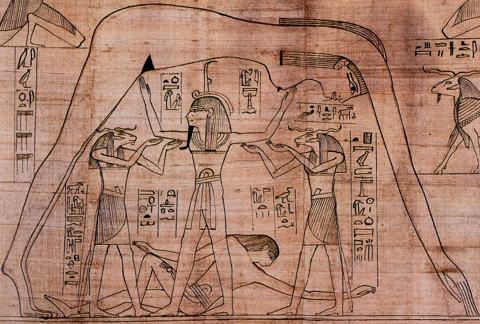
Sky and earth, once locked together and forced apart at creation — she swallows the sun each night, he lies beneath every field and tomb in Egypt.
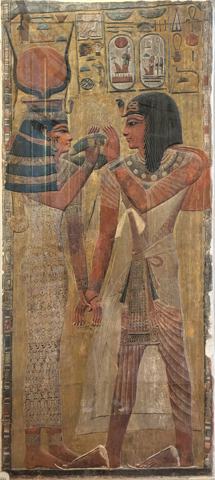
Cow-horned goddess of love, music and joy — Hathor is the sky that carries the sun, the mother of kings, and the one who meets the dead in the west.
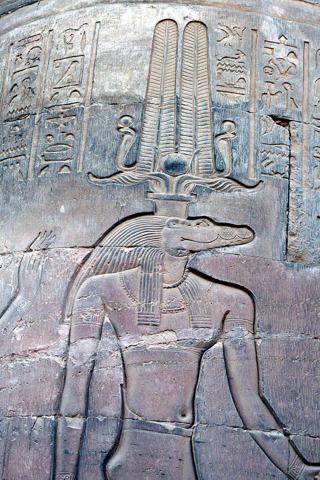
Crocodile god of the Nile, the marshes and raw pharaonic power — Sobek is the danger in the water turned into a protector, worshipped with living crocodiles.
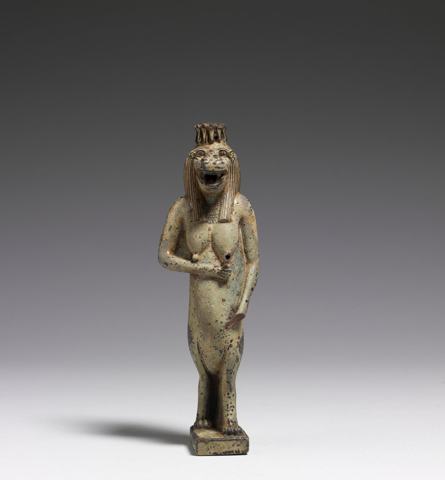
A hippopotamus standing upright on lion's legs with a crocodile down her back — Egypt's oddest goddess, and its most trusted guardian of pregnant women.
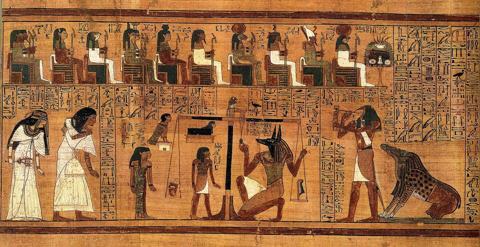
Devourer of the dead — the crocodile-lion-hippopotamus hybrid who crouched beside the scales and swallowed the hearts that failed the weighing.
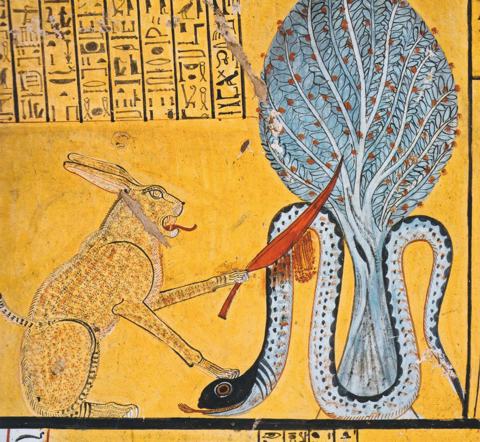
The great serpent who attacks the sun boat every night — Apophis is Egypt's embodiment of chaos, repelled again each dawn but never finally destroyed.
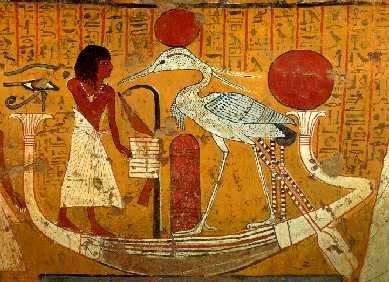
Heliopolis's solar heron, the ba of Ra, whose myth reached the Greek historian Herodotus and became, centuries later, the Greek phoenix.
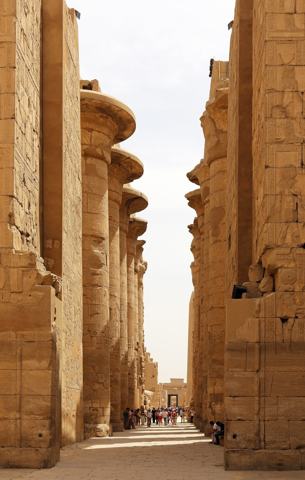
The largest religious complex ever built — fifteen hundred years of continuous construction at Thebes, centred on the state cult of Amun-Re.
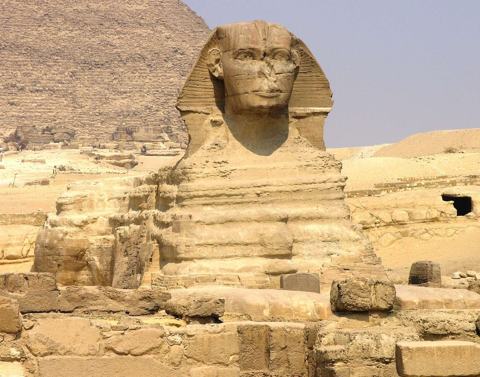
The colossal lion-bodied guardian of Giza, carved from the living bedrock, worshipped a thousand years later as the sun god Horemakhet.
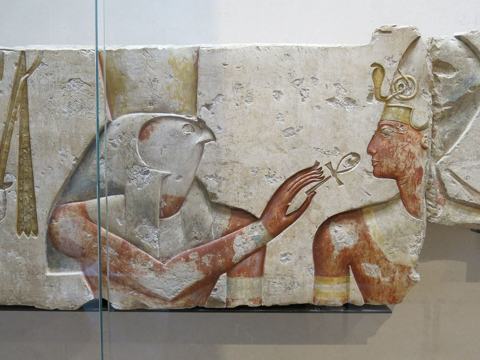
The looped cross Egyptian gods hand to kings on every temple wall, the hieroglyph for life itself, worn as an amulet for three thousand years.
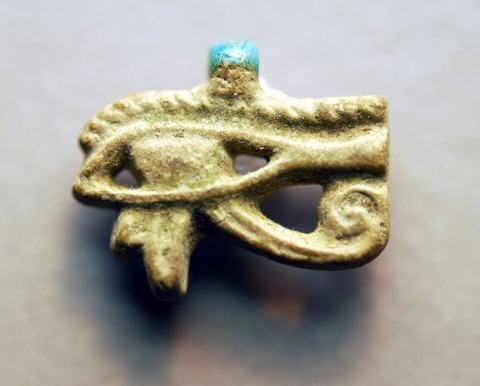
The healed eye of Horus, ancient Egypt's emblem of offering and protection — and the source of a math myth modern scholars have debunked.
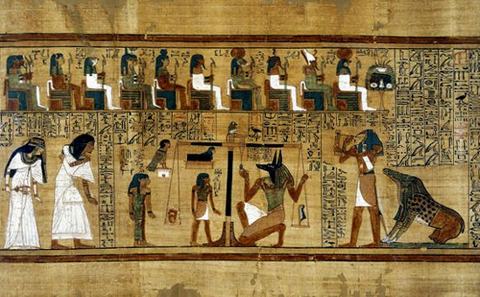
The New Kingdom funerary spells the Egyptians called "Going Forth by Day" — copied for the dead, and renamed the Book of the Dead by Lepsius in 1842.
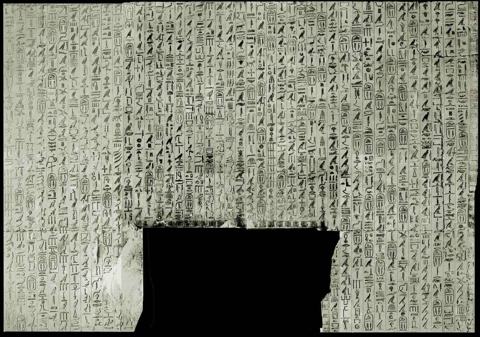
The oldest surviving body of religious literature on Earth — spells carved inside Old Kingdom pyramids to launch the king into the sky as a god.
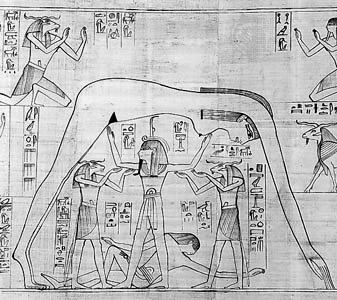
The nine gods of Heliopolis's creation myth, from self-made Atum down to Osiris, Isis and Set — and the tribunal that judged their heirs.
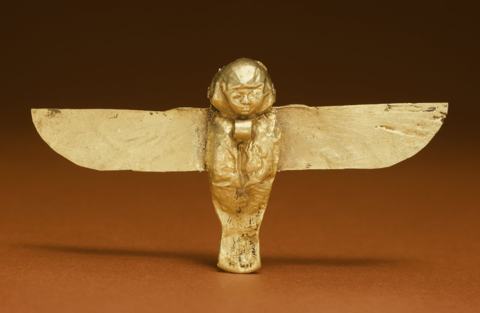
Ancient Egypt's answer to the soul: the ka that needs feeding, the ba that can fly, and the akh a person only becomes after death.