The deities of Rome — Jupiter, Mars, Venus, and their kin — who guarded the state and its empire, drawn from Ovid, Virgil, and Livy.
32 entries in 7 chapters
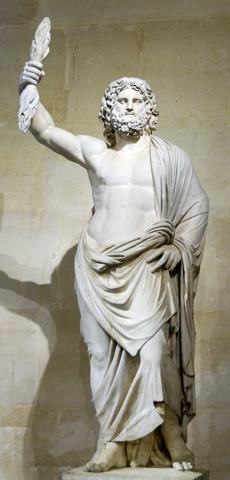
King of the gods and of the Roman state — lord of the bright sky, hurler of the lightning bolt, and the guarantor behind every oath and treaty.
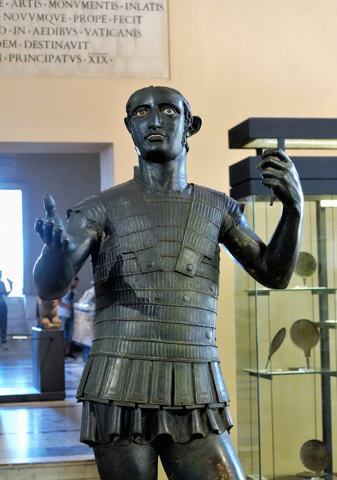
God of war and father of Rome — honoured above almost every other deity, with his own month, his own dancing priests, and the twins he fathered on a Vestal.
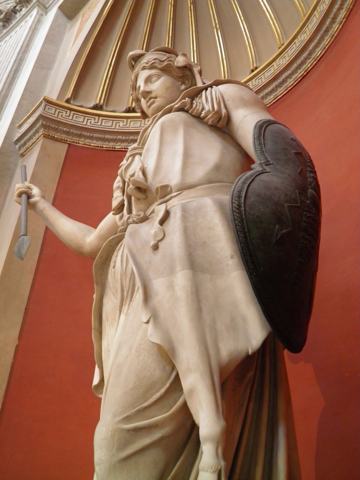
Queen of the gods — Rome's guardian of women, childbirth and the state, whose sacred geese warned the Capitol and whose temple gave us the word money.
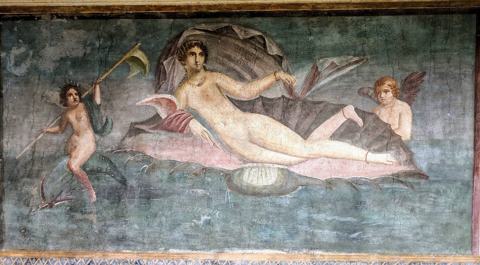
Goddess of love and desire — and the divine ancestress of Rome itself, mother of Aeneas and the claimed forebear of the family of Julius Caesar.
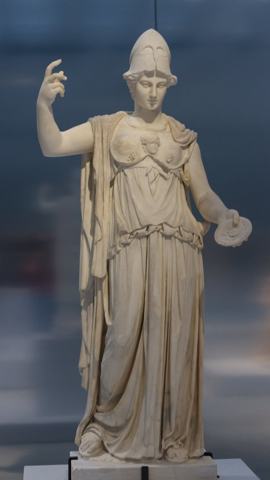
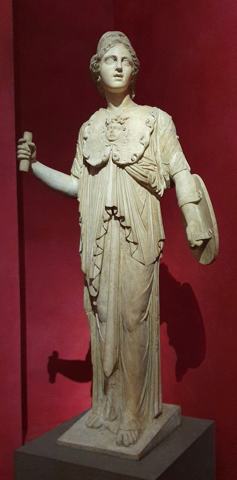
Goddess of wisdom and the crafts — third of the Capitoline Triad, and Rome's patron of every skilled trade from weaving and teaching to medicine.
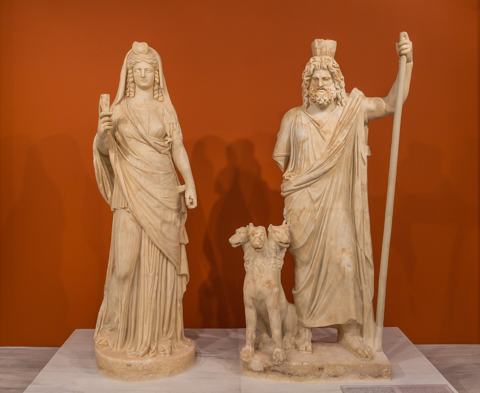
Lord of the underworld — the Roman god of the dead whose older name, Dis Pater, means "the rich father": wealth is what lies buried in the ground.
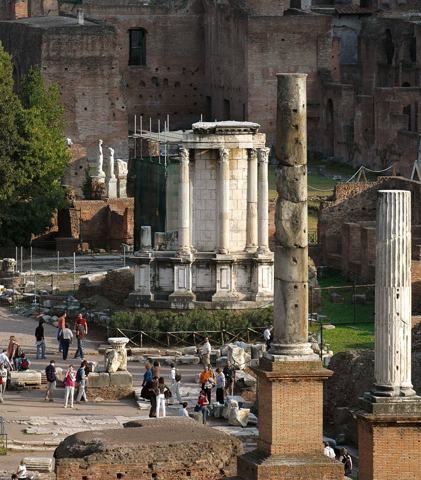
Rome's hearth goddess, worshipped as a living fire rather than a statue, tended in the Forum by six priestesses for over a thousand years.
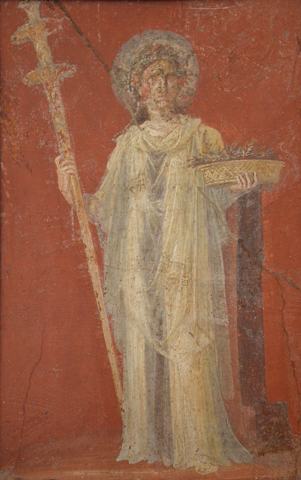
Rome's grain goddess, patron of the plebeian order, whose search for her stolen daughter gave the city its most solemn public festival.

The two-faced Roman god of doors, beginnings and endings, named first in every prayer, whose gates in the Forum stood open only while Rome was at war.
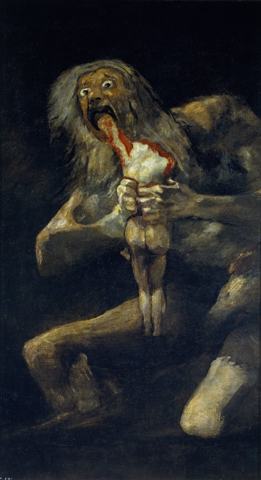
Rome's god of sowing and the lost Golden Age, whose temple held the state treasury and whose December festival turned the social order upside down.
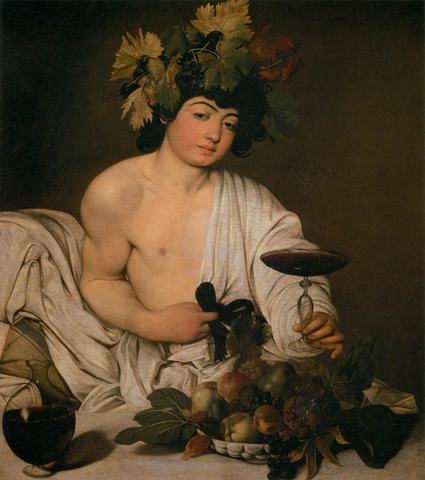
Rome's own wine and fertility god Liber, so thoroughly merged with Greek Bacchus that the Senate outlawed his mystery cult across Italy in 186 BC.
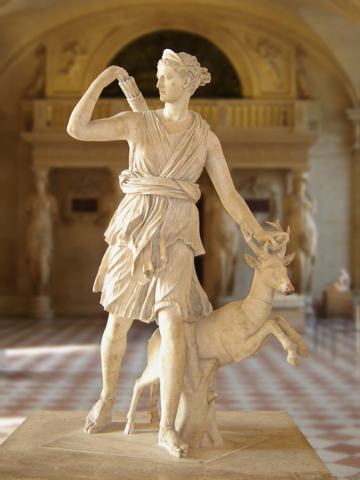
Roman goddess of the hunt, wild places and the moon, whose oldest sanctuary at Lake Nemi was guarded by a priest who held office by killing his predecessor.
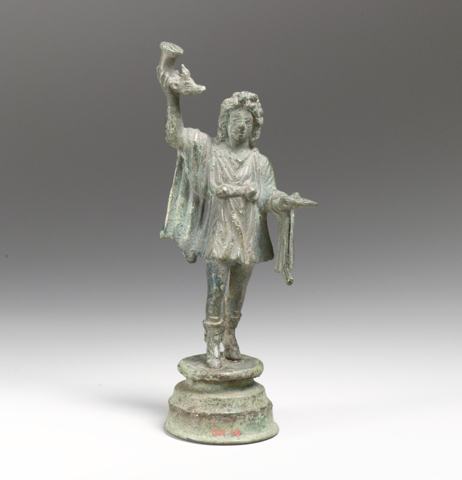
The small gods of the Roman house — the Lares who guard the family line and the Penates who guard its stores, worshipped daily at a shrine by the hearth.
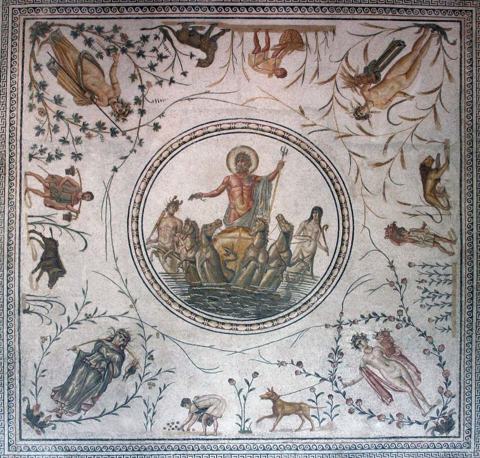
Lord of the sea — though the Romans knew him first as a god of springs and running water, honoured at midsummer when the rivers ran lowest.
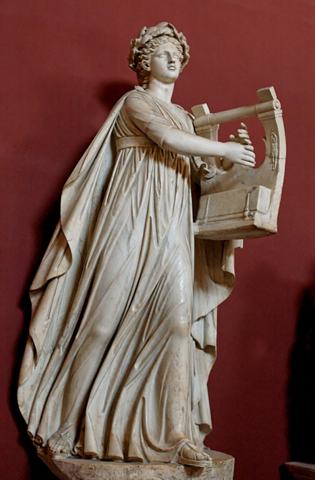
The one great Greek god Rome adopted without renaming him — plague-healer, oracle-giver, and the personal patron Augustus built into the imperial order.
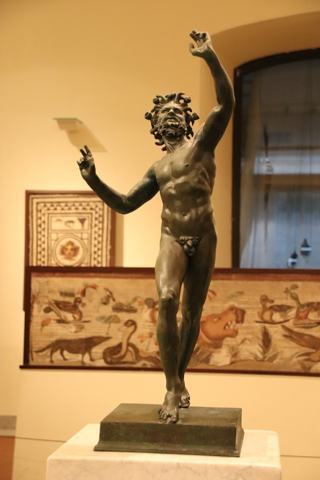
Rome's rustic god of forest and flock, an oracle who spoke through dreams and whose name the Romans linked to the Lupercalia and to Greek Pan and the satyrs.
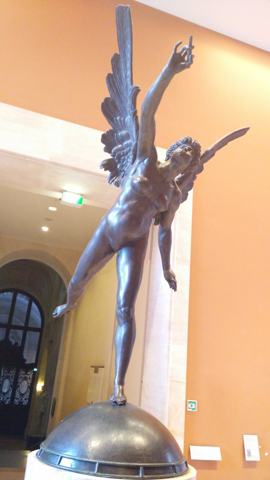
Rome's god of trade, profit and messages, later fused so completely with Greek Hermes that the two are barely distinguishable.
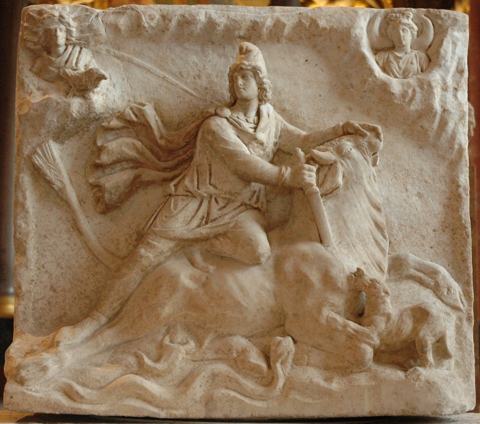
The bull-slaying god of a Roman mystery cult that left hundreds of underground temples across the empire and not one line of its own scripture.
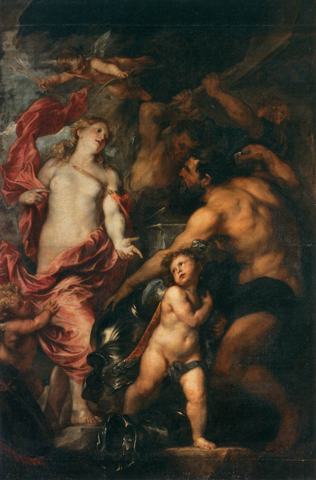
Rome's fire god, honored to keep flame from the wooden city, later remade as the mythical blacksmith who forged arms for gods and heroes.
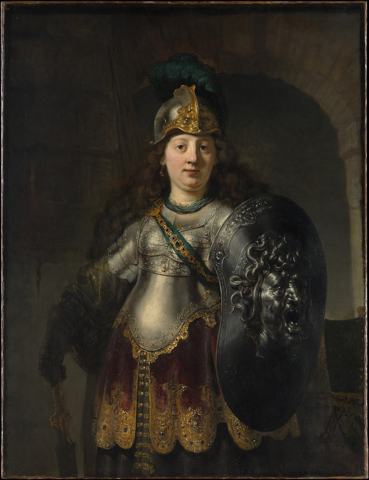
Rome's own war goddess — named straight from the Latin word for war, whose temple hosted the Senate's dealings with generals and enemies alike.

The winged god of desire, son of Venus — best known through Apuleius's tale of his secret marriage to the mortal Psyche and the trials Venus set her.
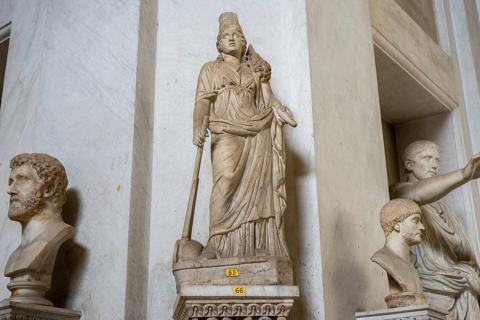
Rome's goddess of luck, worshipped under dozens of specific titles and consulted through a wooden-lot oracle at Praeneste that Cicero called a fraud.
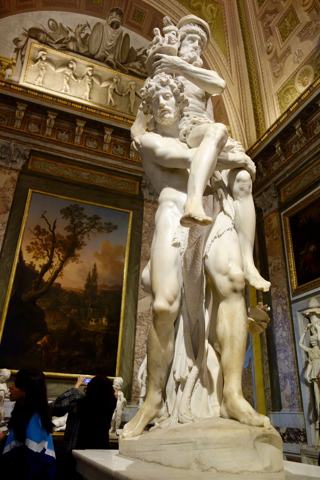
The Trojan prince who escaped burning Troy carrying his father and household gods, wandered the Mediterranean, and became Rome's mythical ancestor.
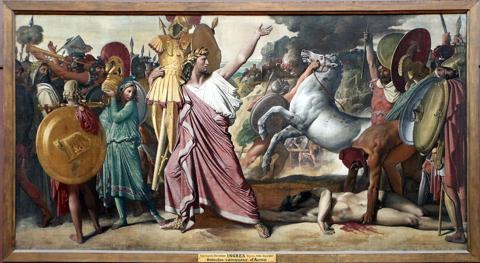
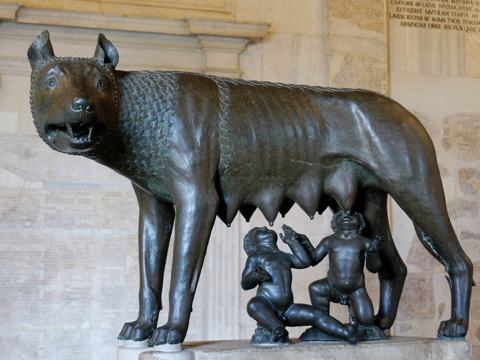
Twin sons of Mars, saved by a she-wolf and raised by shepherds, who quarreled over where to found Rome — a quarrel that ended with only one of them ruling it.
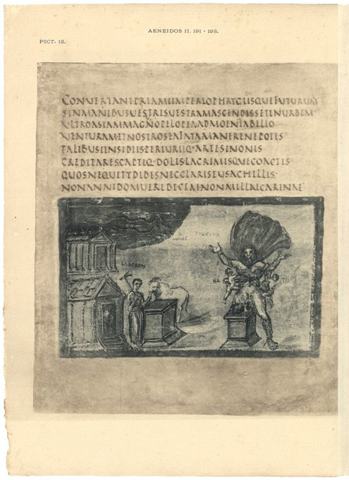
Virgil's unfinished epic of Aeneas's flight from Troy and the founding of Rome — composed for Augustus, nearly burned at its author's own request.

Ovid's 15-book Latin epic of transformation myths — the single work that shaped how the post-classical West came to know Greek and Roman mythology.
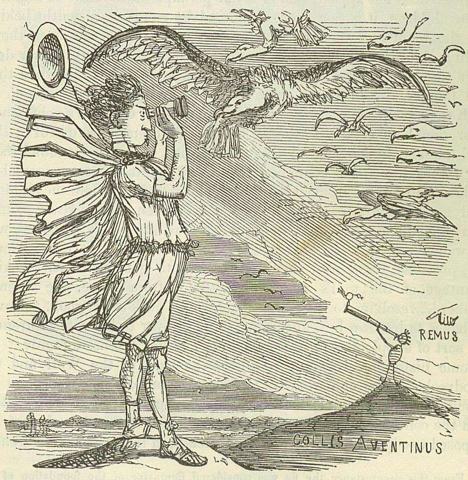
How Roman magistrates read the will of the gods from bird-flight and lightning before every public act — the state's oldest form of applied religion.
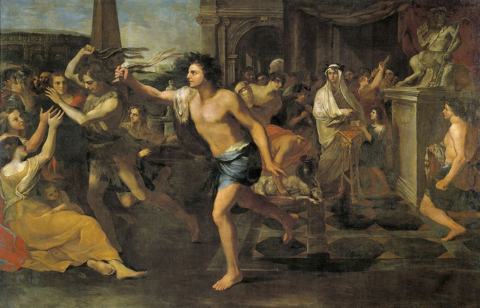
Rome's February fertility rite at the wolf's cave, where near-naked priests struck bystanders with goat-hide thongs — its link to Valentine's Day is unproven.
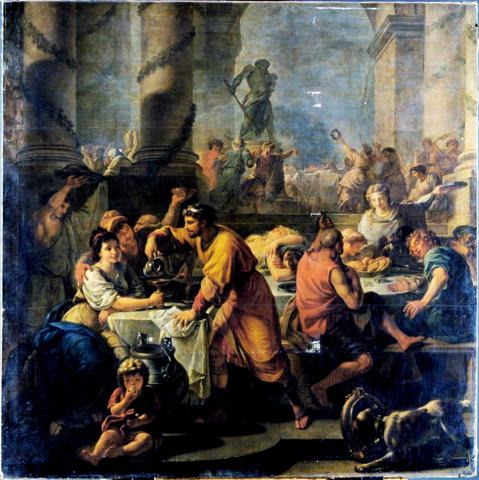
Rome's December festival of role reversal and gifts, when slaves dined with masters and the freedman's cap was worn by all — likely not the root of Christmas.