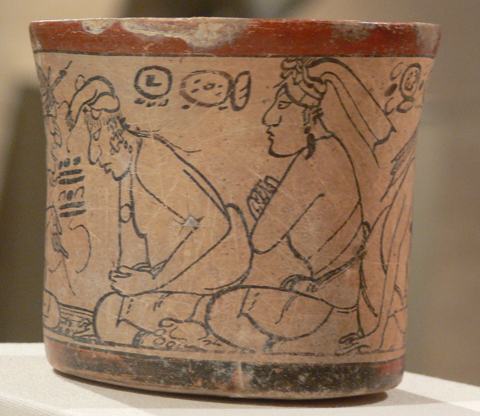
The creators, rain-bringers, and death-lords of the Maya world, drawn from the Popol Vuh and the surviving codices.
31 entries in 9 chapters
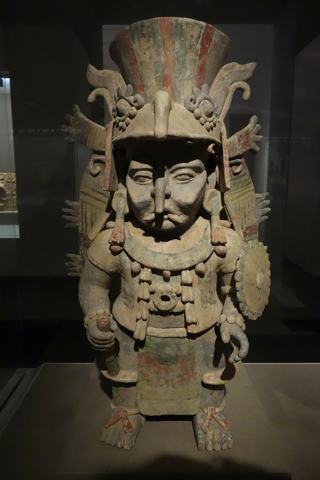
The rain god who splits the clouds with a lightning axe — one god and four, the most frequently depicted deity in the surviving Maya books.
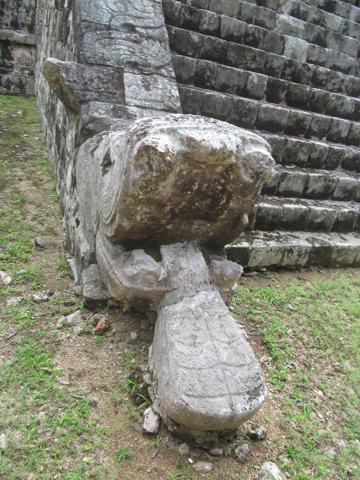
The Feathered Serpent of the Maya — creator's voice in the Popol Vuh, patron of Chichen Itza, and the shadow that descends its pyramid at the equinox.
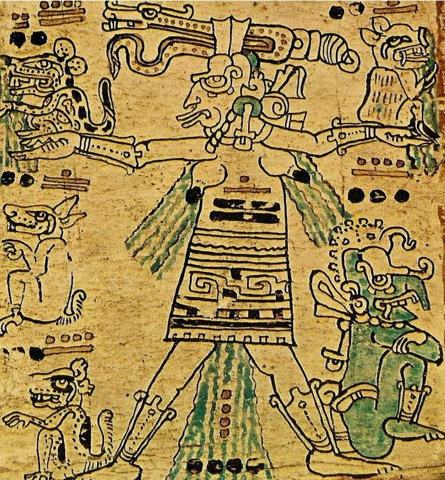
"Rainbow Lady" — the Maya goddess of childbirth, weaving, medicine and divination, and the two distinct goddesses tangled together behind her name.
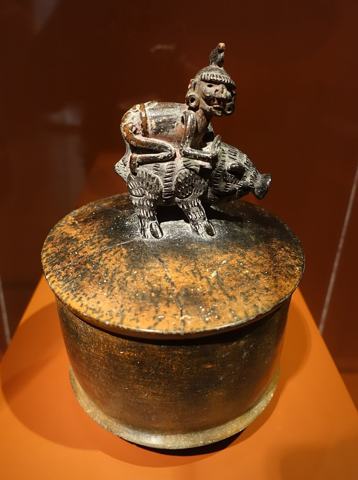
The aged creator — supreme sky god of the Maya, patron of writing, healing and divination, and the old man scholars know as God D.
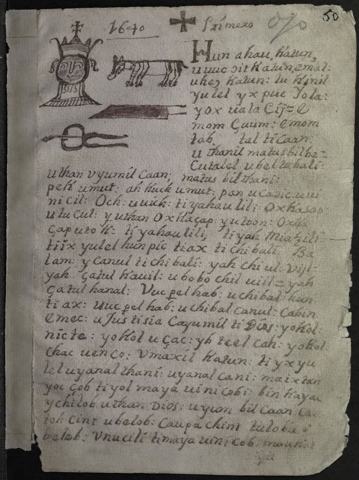
"The one god" of Yucatec Maya colonial texts — a name most scholars now read as a missionary translation for the Christian God, not an ancient Maya deity.
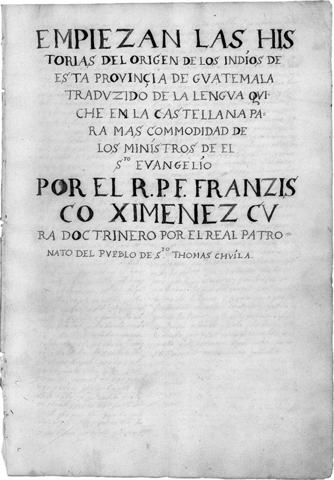
The K'iche' Maya storm god who speaks the world into being in the Popol Vuh — and the contested claim that he gave the hurricane its name.
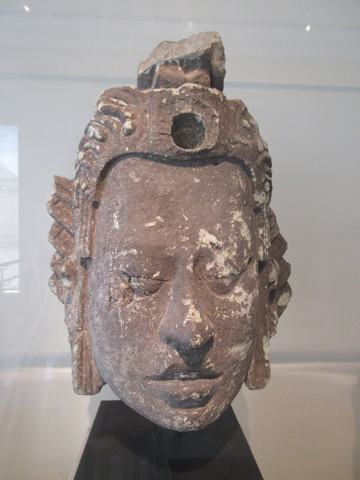
The youthful Classic Maya god of maize, God E of the codices, whose death and rebirth many scholars connect to the Popol Vuh's Hun Hunahpu.
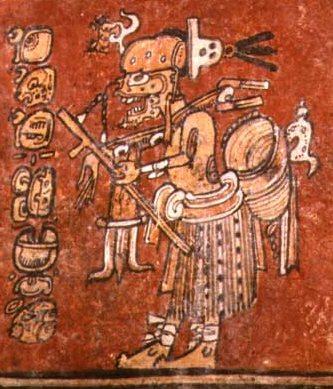
Schellhas's God A, the skeletal Maya death deity behind the name Ah Puch — a label colonial and modern sources actually apply in different ways.
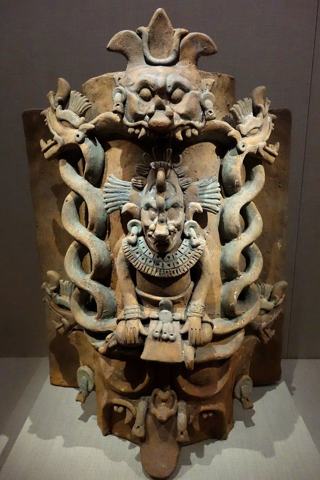
God K of the Maya codices, a deity of lightning and dynastic power whose serpent-legged, axe-browed image was the scepter every legitimate king had to hold.
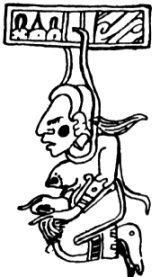
The "suicide goddess" of a single Landa passage and one Dresden Codex image — an identification recent scholarship seriously disputes.
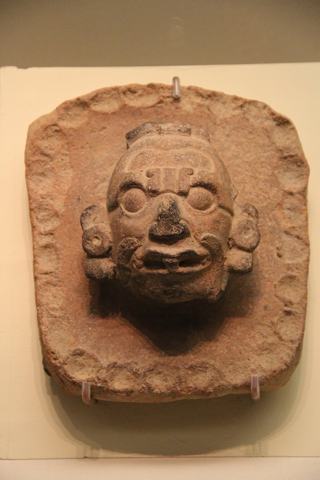
K'inich Ajaw, the Maya sun god — crossed-eyed lord of day and kingship, who sinks each night into Xibalba and crosses it as a jaguar.
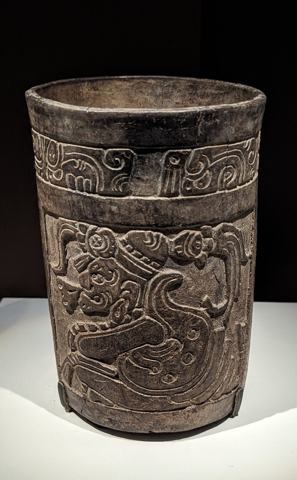
The four brothers who hold up the sky at the world's corners, tied to colours and directions in Landa's account of Maya cosmology and calendar.
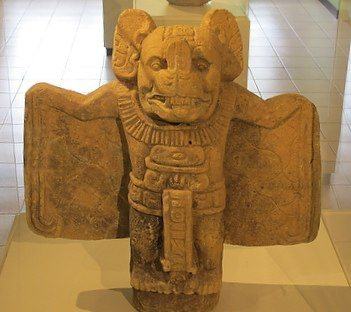
The death bat — the snatching bat-demon of the K'iche' underworld who takes off a hero's head in the dark, and the long Mesoamerican cult behind him.
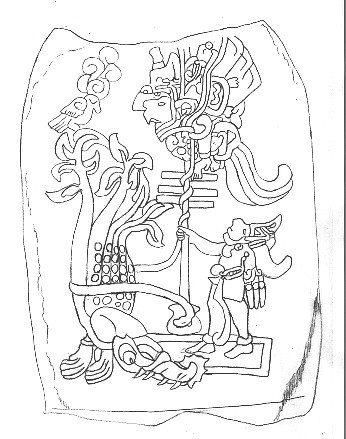
The vain bird who declared himself sun and moon in the Popol Vuh, brought down by the Hero Twins along with his sons Zipacna and Cabracan.
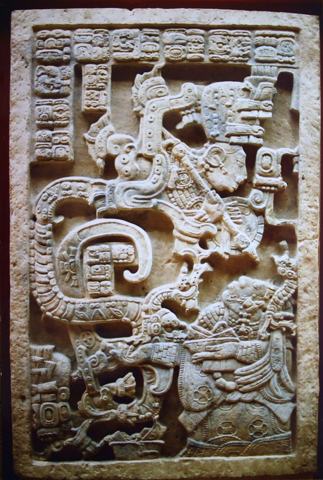
The great serpent conjured through royal bloodletting, its jaws opening to release the ancestors and gods a Classic Maya ruler needed the living to see.
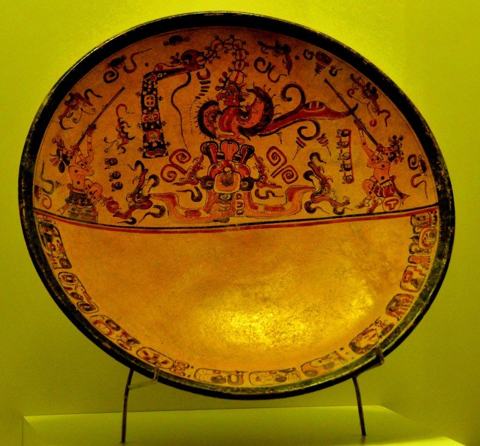
Hunahpu and Xbalanque — the ballplaying twins of the Popol Vuh who outwitted the lords of Xibalba, avenged their father, and rose as sun and moon.
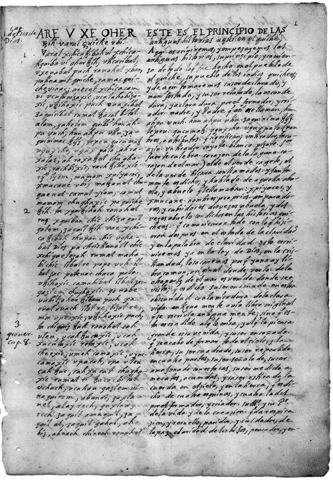
The underworld maiden of the Popol Vuh who is impregnated by a talking skull, survives her own execution, and becomes the mother of the Hero Twins.
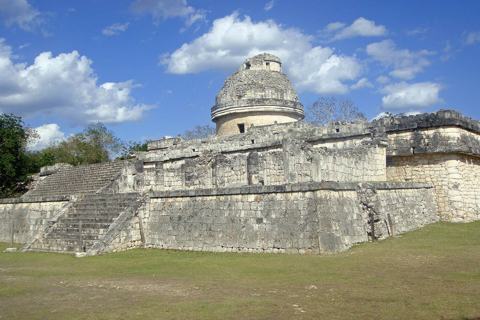
The great Postclassic Maya city of Yucatan — home to Kukulkan's pyramid and the Sacred Cenote, and a decades-long argument over how "Toltec" its art really is.
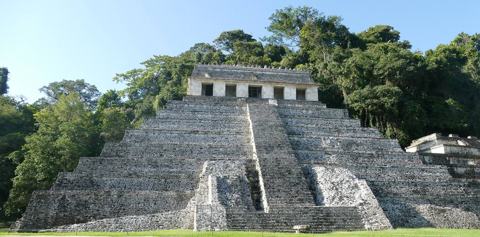
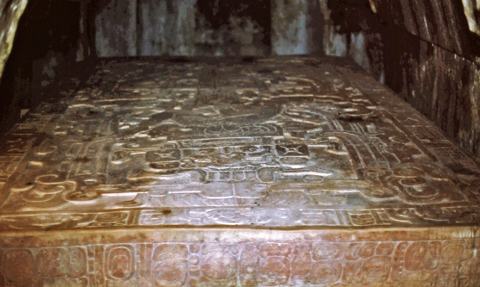
Palenque's funerary pyramid, raised over the tomb of King Pakal and carved with one of the longest surviving Classic Maya hieroglyphic texts.
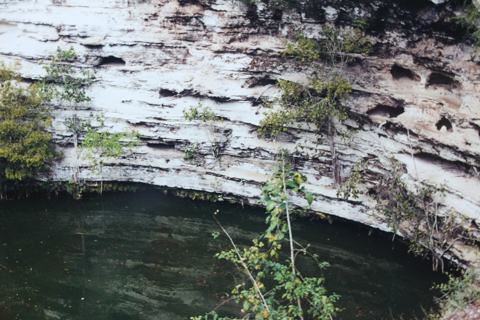
The natural sinkhole at Chichen Itza where the Maya threw offerings of jade, gold, and people, dredged by an American consul in the early 1900s.
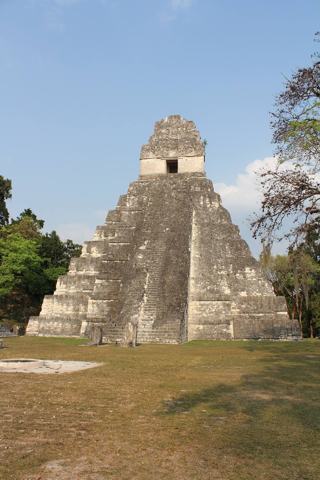
The great Classic Maya city of the Peten rainforest — a dynasty two thousand years deep, a war with Calakmul, and a king's tomb built as a mountain.
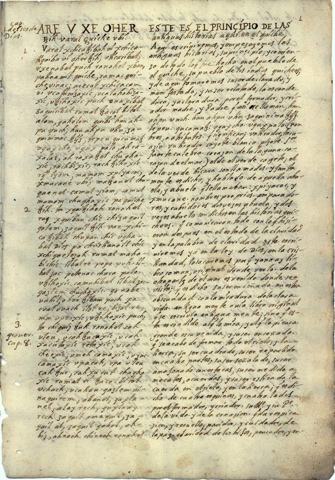
The K'iche' Maya "Book of Council" — creation, the Hero Twins, and a dynasty's history, saved by one Dominican friar's copy of a lost original.
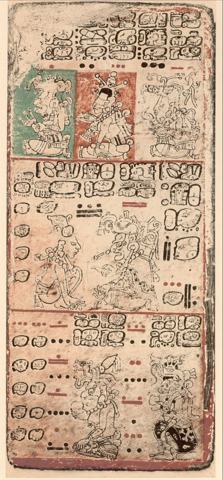
The oldest surviving book of the Americas — a Maya screenfold of astronomical tables, deciphered by a Dresden librarian, that survived a 1945 firestorm.
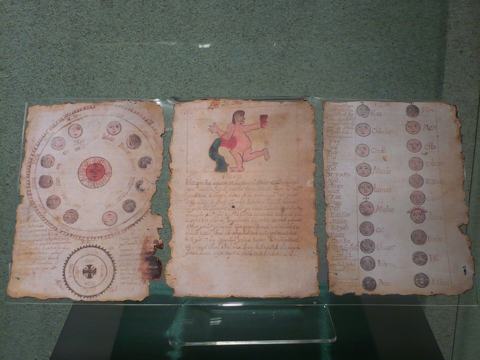
Colonial Yucatec Maya town books mixing prophecy, history, medicine and Christian material — named for a jaguar-priest said to have foreseen the Spanish.
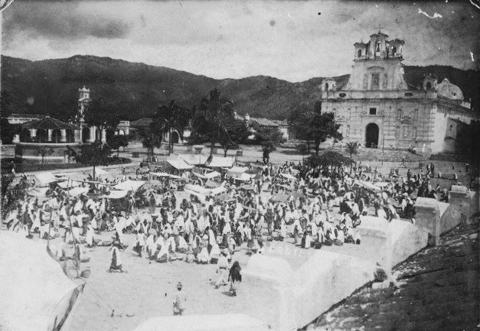
A pre-conquest K'iche' Maya dance-drama of capture and sacrifice, still performed each January in Guatemala and honored by UNESCO as intangible heritage.
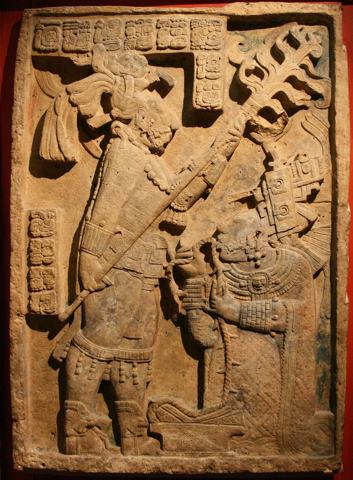
Royal self-sacrifice of blood, through tongue or penis, the central Classic Maya rite for feeding the gods and summoning ancestors, best recorded at Yaxchilan.
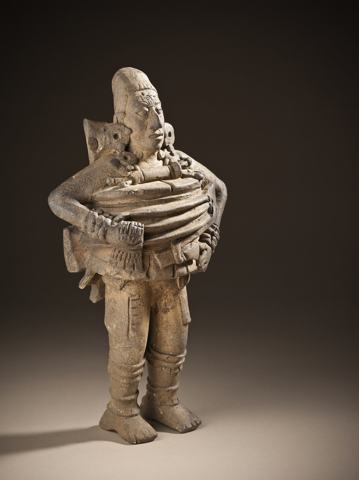
Pitz, the rubber-ball game played across the Maya world for three thousand years — real sport, staged myth, and sometimes an execution.
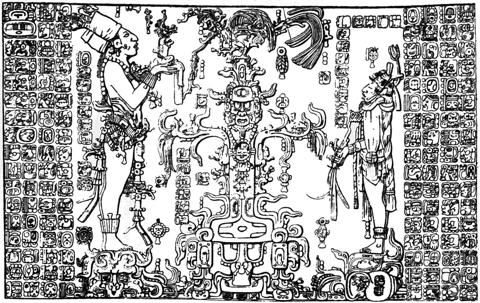
The great ceiba that joins underworld, earth and sky in Maya cosmology — carved at Palenque's Temple of the Cross and reborn each time maize is planted.
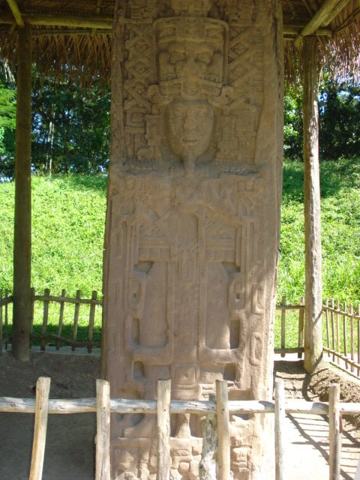
The Maya's linear day-count from a mythical zero date — the calendar a 2012 doomsday craze misread, though Classic scribes never treated it as an ending.